
Where the North Atlantic Meets the Plate
On the edge of Canada's easternmost shore, a quiet culinary renaissance is rooted in kelp, cloudberries, and centuries of memory.
SI
22 Jul 2026 · 5 MIN READ · UPDATED 17 AUG 2026
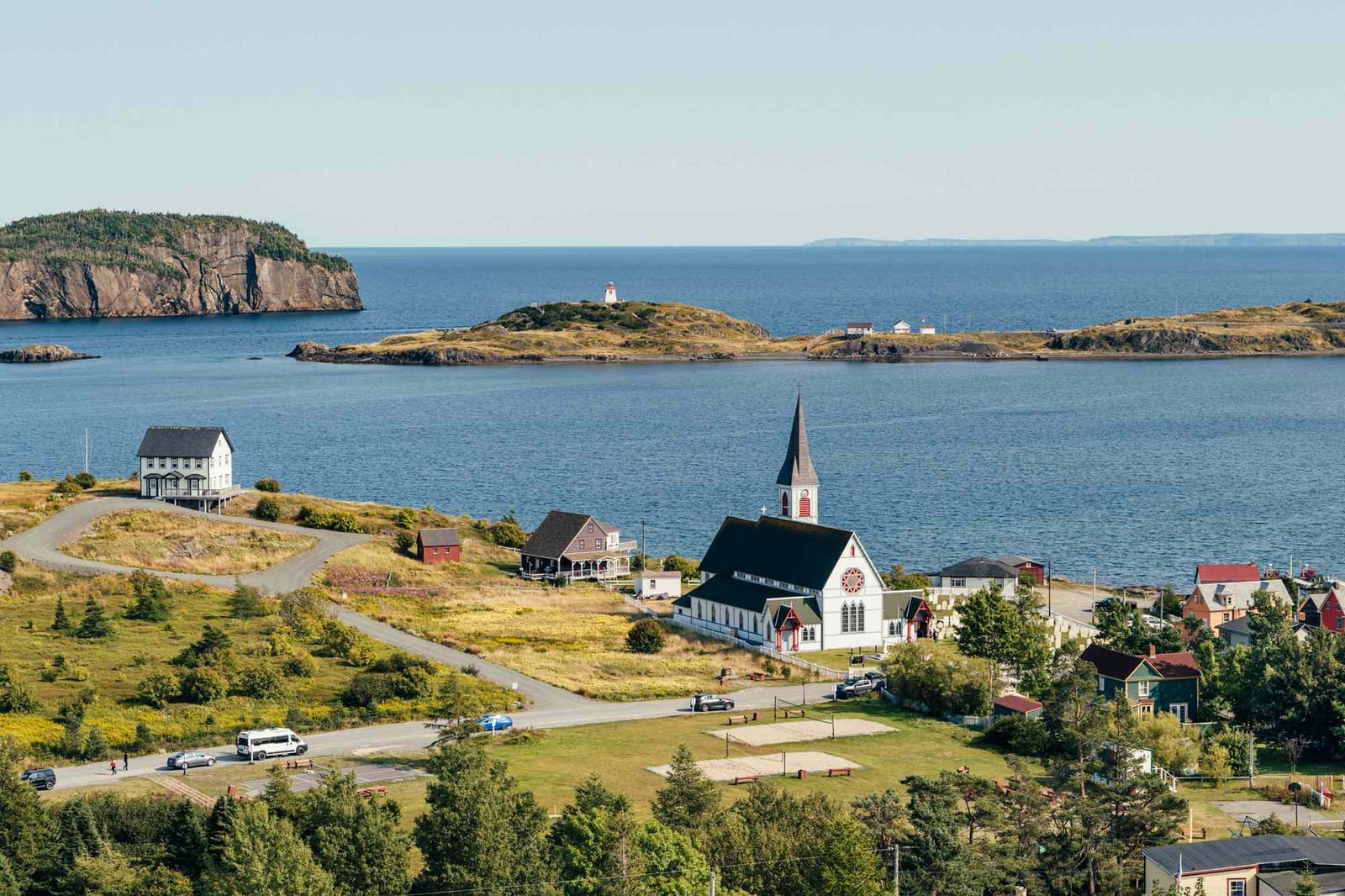
The Edge of Memory
There is a particular quality to the light on Newfoundland's coast in early summer, when fog rolls in from the Labrador Current and softens the cliffs into suggestion. It is the same light that has illuminated centuries of fishing boats, drying cod, and the hands of those who knew how to coax sustenance from rock and salt water. At Global Chic Voyage, we've watched islands reinvent their gastronomic identities, but few do so with the quiet confidence of this place, where reinvention looks less like departure and more like homecoming.
The island's culinary landscape is being reshaped not by imports or trends flown in from distant cities, but by a return to what has always grown here: the tart pop of partridgeberries, the brine-sweet snap of kelp pulled from frigid waters, the earthy resilience of root vegetables that survive the wind. Chefs, foragers, and a new generation of food entrepreneurs are building menus and businesses around ingredients that their great-grandparents would recognize, though prepared in ways that might surprise them.
A Larder Written in Seasons
Newfoundland's pantry is not gentle. Its growing season is short, its weather unforgiving, its soil thin over bedrock. Yet precisely because of these constraints, the island has cultivated a vocabulary of preservation and ingenuity. Salt cod, once the currency of empires, remains a touchstone. Bottled moose, partridgeberry jam, and root cellars dug into hillsides are not nostalgia but living practice.
What has shifted is the frame. Where earlier generations preserved out of necessity, today's cooks are engaging with these ingredients as the foundation of a regional cuisine that can stand alongside any in the world. Wild herbs, foraged mushrooms, seaweeds harvested by hand, berries that grow only in the barrens: these are no longer footnotes to imported staples but the headline act.
The practice of foraging, long embedded in the island's subsistence culture, is being professionalized and celebrated. Guides lead groups into bogs and coastal meadows to gather sorrel, lovage, and sea rocket. Restaurants list the precise cove or headland where their mussels were harvested. There is a specificity to this cuisine, a sense of place that cannot be replicated elsewhere because the place itself is irreplaceable.
Hands in the Soil, Eyes on the Horizon
The movement is not confined to restaurant kitchens. Small producers are experimenting with charcuterie made from heritage livestock, dairy from grass-fed herds that graze on salt-sprayed pastures, and spirits distilled from local botanicals. One distillery infuses gin with juniper and wild roses picked from the barrens; another ages whiskey in barrels that previously held iceberg water.
There is a quiet radicalism in this work. It refuses the logic that says remote places must import their flavor, that luxury must come from elsewhere. Instead, it insists that what grows here, in this wind and cold and light, is enough. More than enough.
The island's food culture has always been shaped by isolation, but isolation is no longer a limitation. Chefs trained in Europe and Asia are returning home, bringing technique but not dogma. They are learning from elders who still remember how to render seal fat, how to time the capelin run, how to read the weather in the behavior of birds. The result is a cuisine that is both deeply rooted and outward-looking, traditional and experimental, local and cosmopolitan.
The Taste of a Place
To eat in Newfoundland now is to taste a landscape. A plate might feature pan-fried cod cheeks with a sauce of fermented kelp, salt-cured moose loin with partridgeberry reduction, or a dessert of cloudberry panna cotta. Each dish is a conversation between past and present, between the knowledge of how things were done and the imagination to do them differently.
The dining rooms themselves reflect this sensibility. Some occupy heritage buildings, their wooden beams and ship's lanterns nodding to maritime history. Others are spare and modern, letting the view and the food speak. What unites them is a refusal of pretense. The cooking is confident but not showy, generous but not excessive. It understands that the ingredients are already doing the heavy lifting.
This approach extends beyond fine dining. Bakeries are reviving traditional recipes for toutons and purity hard bread, but also experimenting with sourdough cultures fed on local grains. Food trucks serve fish and chips made from day-boat catch. Farmers' markets brim with preserves, pickles, and smoked fish, each jar a small archive of flavor and craft.
A Future Rooted in the Past
What is happening in Newfoundland is not a revival, exactly, nor is it invention. It is something more intricate: a renegotiation of identity through food, a way of saying that this place, often overlooked or exoticized, has always had something vital to offer. The work being done now is about making that visible, not just to visitors but to Newfoundlanders themselves.
There is a risk, of course, in any culinary renaissance. The language of terroir and slow food can become another form of branding, another way to package authenticity for consumption. But the chefs and producers we've encountered here seem alert to that danger. They speak less of building a brand than of building a community, less of putting Newfoundland on the map than of honoring what the map has always contained.
The island's food culture is still being written, still evolving. New collaborations are forming between fishers and chefs, between foragers and researchers, between old knowledge and new techniques. The story is far from finished. But what is clear is that Newfoundland's culinary identity will not be borrowed or imposed. It will be grown, gathered, and cooked from what is already here, from the wild ingredients that have always been, in their own quiet way, gold.
At Global Chic Voyage, we return to places that understand this: that luxury is not always about abundance but about attention, not about rarity but about rightness. Newfoundland, with its cold waters and its long memory, is teaching us that again.
Photo: Johnny C.Y. Lam / Travel + Leisure
Spot something wrong? Email editors@globalchicvoyage.com. We log every correction publicly.
RELATED
SEE ALL →
30 Jul 2026 / 5 min
27 Jul 2026 / 5 min
31 Jul 2026 / 5 min
7 Aug 2026 / 5 min