
Where the Lava Meets the Sea: Four Italian Islands Beyond the Postcards
Volcanic shores, quiet harbors, and the kind of Mediterranean calm that exists only where the ferries arrive less often.
SI
23 Jul 2026 · 5 MIN READ · UPDATED 17 AUG 2026
The Geography of Silence
There is a particular quality to the light on islands born of fire. It refracts differently through air salted by ancient eruptions, casting harbor walls in shades that shift between apricot and rust as the afternoon tilts toward evening. At Global Chic Voyage, we've returned season after season to the Italian islands that dominate guidebook covers - Capri's blue grottos, Sicily's baroque towns - but this year our compass has swung toward quieter coordinates. Four islands, each shaped by volcanic temperament, each possessing the kind of beauty that requires neither superlative nor exclamation. Just presence.
Ponza, Procida, Pantelleria, and the Aeolian archipelago occupy the middle distance of Italian island consciousness. Known, certainly, but not overrun. Beloved by Romans seeking weekend escape, by Neapolitans who return to family homes each August, by the occasional northern European who stumbled upon them decades ago and never quite left. These are not undiscovered places - no Mediterranean island truly is anymore - but they remain blessedly underrated, their harbors still dominated by fishing boats rather than superyachts, their restaurants still serving the catch rather than the concept.
Ponza: The Architecture of Erosion
The Pontine archipelago lies off the Lazio coast, a scattering of islands where tufa cliffs drop into water so clear you can count the fish from the deck of the ferry. Ponza, the largest, presents itself as a study in erosion and adaptation. The town clings to the hillside in pastel tiers - pink, yellow, ochre - colors that were never planned as picturesque but simply resulted from whatever pigment was available when a house needed repainting.
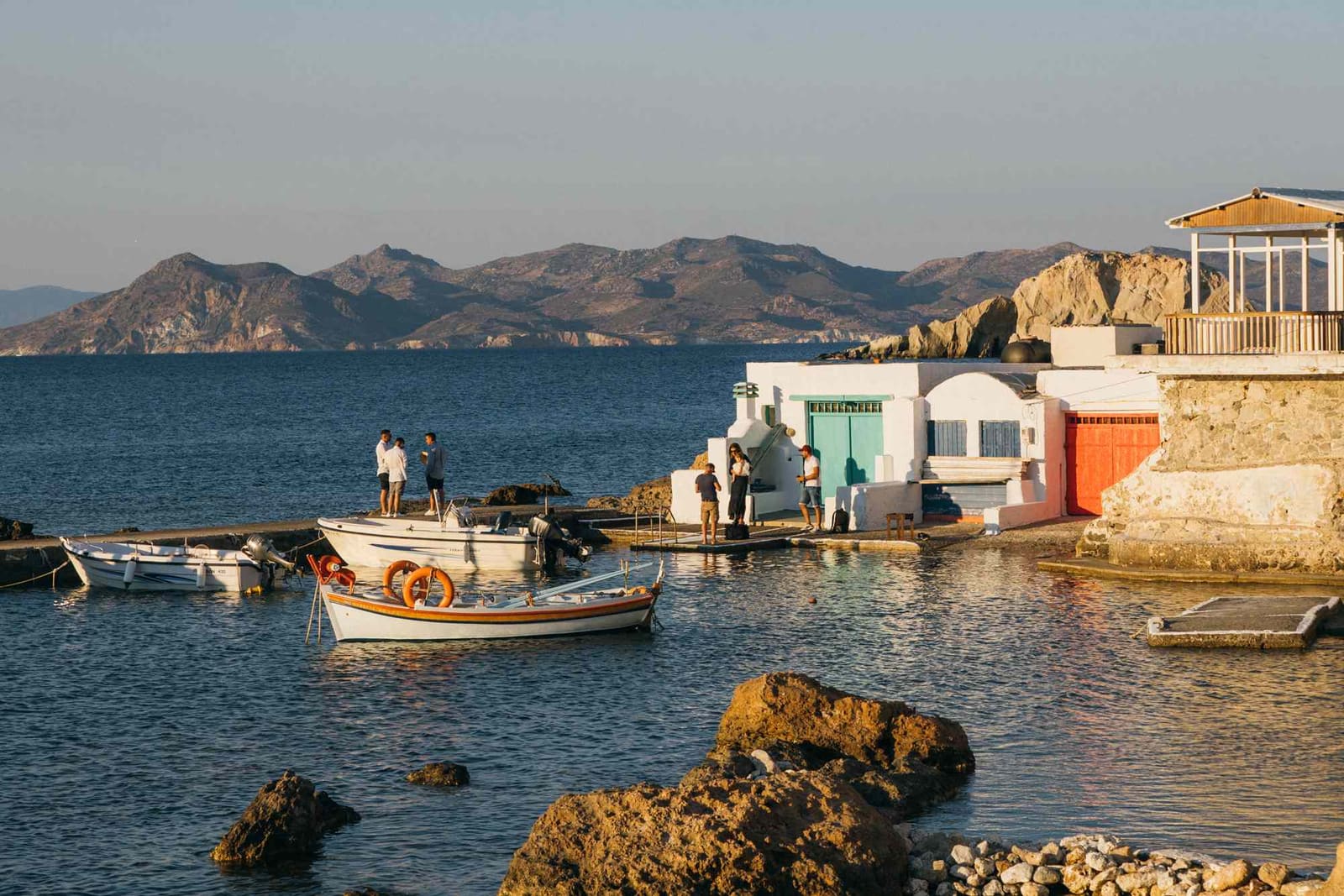
What sets Ponza apart is its relationship to the sea. The island's volcanic origins carved a coastline of grottos and natural arches, accessible only by boat or by the steep paths locals have worn into the rock over generations. The harbor of Ponza town curves like a amphitheater, its quayside lined with low-slung buildings that house family-run restaurants where the menu is whatever came up in the nets that morning. There is no Michelin star here, but there is octopus braised with tomatoes grown in volcanic soil, served with wine from vines that grip the hillside with the tenacity of the island itself.
We've noticed, across multiple visits, that Ponza operates on a different temporal frequency than the mainland. Ferries arrive and depart with regularity, but between those punctuation marks, time softens. Afternoons are for swimming in coves named for their color - Cala Feola, Cala Fonte - or for the long, slow meals that stretch from lunch into something that can no longer quite be called lunch but isn't yet dinner.
Procida: The Island That Refused to Perform
Procida sits in the Bay of Naples, within sight of its more famous neighbors Capri and Ischia, yet it has stubbornly resisted the transformation into tourist spectacle. The island's fishing village character remains intact, not as heritage preservation but as living fact. The Marina Corricella, with its vertical tumble of houses painted in shades drawn from the sea and sky, has been photographed ten thousand times, yet it continues to function as an actual harbor where actual fishermen moor actual boats.
Procida was designated Italy's Capital of Culture in 2022, a recognition that brought attention but, remarkably, not overwhelming development. The island absorbed the designation and continued as before: narrow streets too tight for cars, lemon groves behind high walls, churches with majolica-tiled domes that catch the morning sun. The local cuisine centers on seafood prepared with the confidence that comes from generations of knowing exactly how long to cook a particular fish, exactly which herbs grow best in volcanic soil.
What we admire about Procida is its refusal to curate itself for visitors. There is no grand promenade, no designer boutique district, no nightlife to speak of. Just the rhythms of island life - the morning fish market, the afternoon passeggiata, the evening gathering in the piazzas where locals outnumber tourists by comfortable margins.
Pantelleria: Where Africa Meets Sicily
Pantelleria occupies a peculiar position in Italian geography, closer to Tunisia than to Sicily, a fact reflected in its architecture, agriculture, and atmosphere. This is the island where the sirocco wind arrives laden with Saharan dust, where the landscape feels more North African than Mediterranean in the conventional sense. The island's signature dwelling, the dammuso, evolved as a response to this climate: thick volcanic stone walls, domed roofs designed to collect precious rainwater, small windows to keep interiors cool.
The volcanic activity here is recent enough to remain palpable. Hot springs bubble up along the coast; the Specchio di Venere, a volcanic lake, offers thermal bathing in water that ranges from tepid to genuinely hot depending on where you position yourself. The island's most famous agricultural product, capers, thrives in the volcanic soil, as does the Zibibbo grape, which produces Passito di Pantelleria, a dessert wine of remarkable intensity.
In recent years, Pantelleria has attracted a particular type of traveler - those seeking not comfort but character, not amenities but authenticity. Several dammusi have been converted into small luxury accommodations, renovated with respect for traditional building methods while adding contemporary necessities. The island's dining scene includes establishments that have earned recognition for their interpretation of Pantellerian cuisine, which blends Sicilian foundations with North African influences in dishes like couscous di pesce.
Yet Pantelleria remains fundamentally itself: austere, windswept, demanding. The beauty here requires effort to access - hiking to remote coves, navigating roads that twist through lava fields, accepting that the island will not perform for you but simply exist, indifferent to whether you appreciate it or not.
The Aeolian Archipelago: Seven Variations on a Volcanic Theme
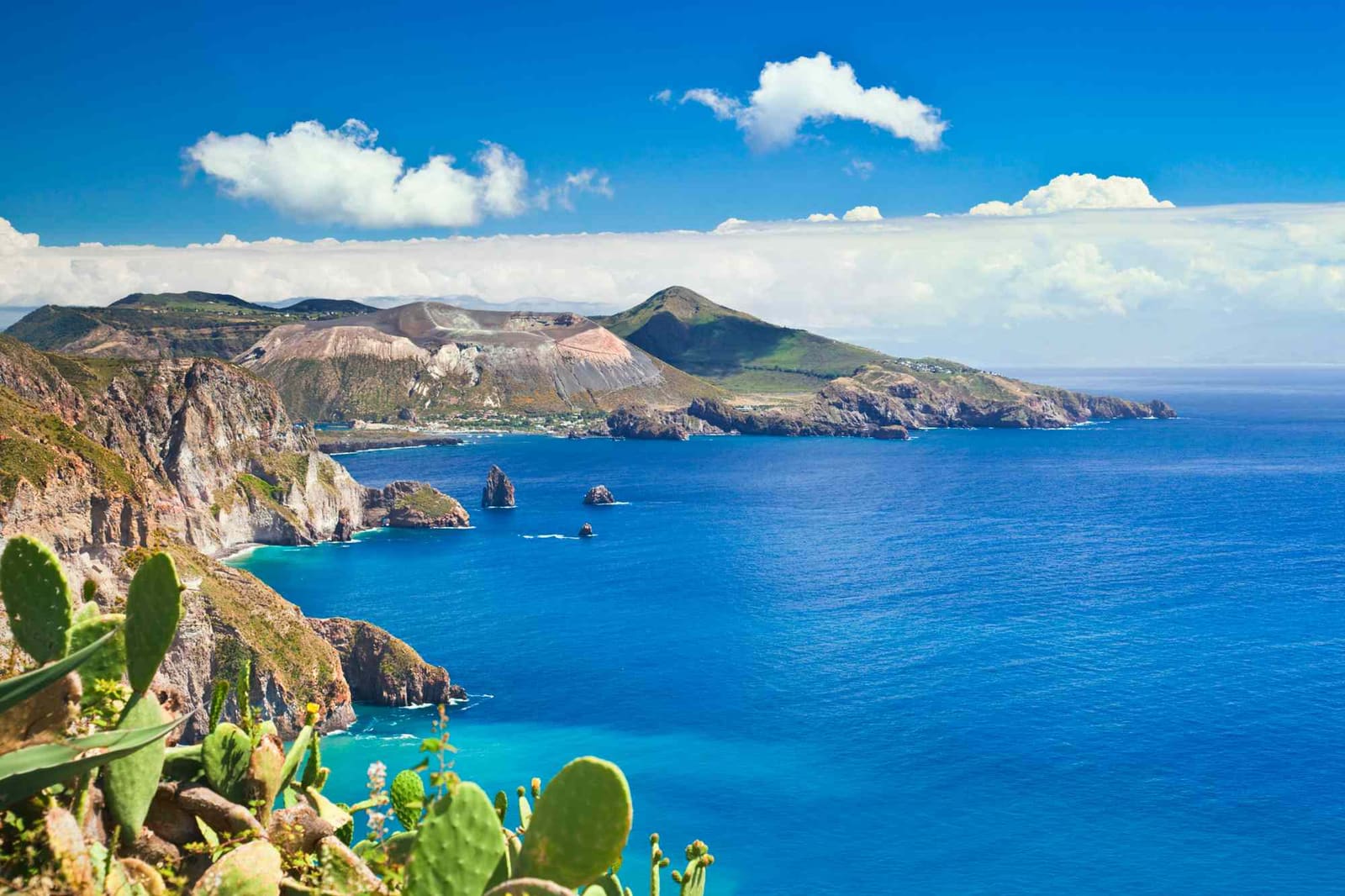
North of Sicily, the Aeolian Islands scatter across the Tyrrhenian Sea like a lesson in vulcanology. Seven main islands, each with distinct character, each shaped by the same subterranean forces that continue to reshape them. Stromboli erupts with such regularity that locals set their watches by it. Vulcano emits sulfurous steam from fumaroles that turn the landscape into something from a science fiction novel. Lipari, the largest, serves as the archipelago's hub, its pumice quarries and obsidian flows evidence of a violent geological past.
But it is perhaps Salina, the greenest of the Aeolians, that best captures the archipelago's appeal. Here the volcanic soil supports agriculture - capers again, and Malvasia grapes that produce a golden wine with hints of apricot and honey. The island appeared in the film "Il Postino," and visitors still seek out the locations, though Salina has absorbed this brush with fame without fundamentally changing.
The Aeolian dining scene has evolved considerably in recent years, with several restaurants earning Michelin recognition for cuisine that elevates local ingredients - swordfish, capers, wild fennel, tomatoes that taste intensely of themselves - into refined expressions of place. Yet you can still eat extraordinarily well at a harbor-side trattoria where the menu is recited rather than written, where the wine comes in an unlabeled carafe, where the check is calculated on a scrap of paper.
What unites the Aeolian experience across all seven islands is the sense of being at the mercy of elements. Ferry schedules depend on sea conditions. Plans change according to wind. The volcano does what it will. There is something liberating in this surrender to forces larger than tourism, larger than personal agenda.
The Rhythms That Persist
These four destinations - Ponza, Procida, Pantelleria, the Aeolians - share certain qualities beyond their volcanic origins. They remain places where local life takes precedence over visitor experience, where the economy still includes fishing and agriculture rather than depending entirely on hospitality. The harbors are colorful not because someone decreed a palette but because each building was painted according to individual preference or whim. The cuisine is exceptional not because chefs trained in famous kitchens (though some have) but because the ingredients are exceptional, grown in soil enriched by ancient ash, caught in waters that remain relatively clean.
We recognize that describing places as "underrated" or "undiscovered" is a double-edged act. Publication brings attention; attention brings change. Yet these islands have absorbed visitors for decades - Procida and the Aeolians especially - without losing their essential character. They possess a kind of gravitational integrity that seems to resist transformation, or at least to absorb it slowly enough that the core remains recognizable.
The practical consideration, of course, is that these islands are less accessible than their famous counterparts. Ferries run less frequently. Airports are smaller or nonexistent. Accommodations are fewer and often family-run rather than chain-operated. These logistical inconveniences function as a kind of natural selection, filtering for travelers willing to work slightly harder for their Mediterranean escape.
The Light at Day's End
There is a moment, particular to volcanic islands, when the day's heat begins to release from dark stone, when the sea shifts from afternoon blue to something deeper, when the first lights appear in harbor-side windows. This is the hour when these islands reveal themselves most fully - not as destinations to be conquered or sights to be checked off, but as places that operate according to their own logic, their own sense of time.
At Global Chic Voyage, we measure an island's success not by its amenities or its Instagram-readiness, but by whether it allows you to slip into its rhythms rather than imposing yours upon it. By that measure, Ponza, Procida, Pantelleria, and the Aeolians succeed entirely. They offer not escape from the world but entry into a different world, one where the ferry schedule matters more than the flight schedule, where dinner begins when the fish are cleaned rather than at a reservation time, where the volcano reminds you, with perfect regularity, that you are a guest in a landscape still very much in the process of becoming.
Credit: Tatiana Krakowiak / Getty Images
Spot something wrong? Email editors@globalchicvoyage.com. We log every correction publicly.
RELATED
SEE ALL →
8 Jul 2026 / 5 min
7 Jul 2026 / 5 min
24 Jun 2026 / 5 min
13 Jul 2026 / 5 min