
When Singapore Meets Spain in a Forest Home
At Casa Mori, two chefs reimagine the boundaries between tapas and hawker tradition, creating something neither wholly Spanish nor Singaporean but entirely their own.
ML
28 Jul 2026 · 5 MIN READ · UPDATED 17 AUG 2026
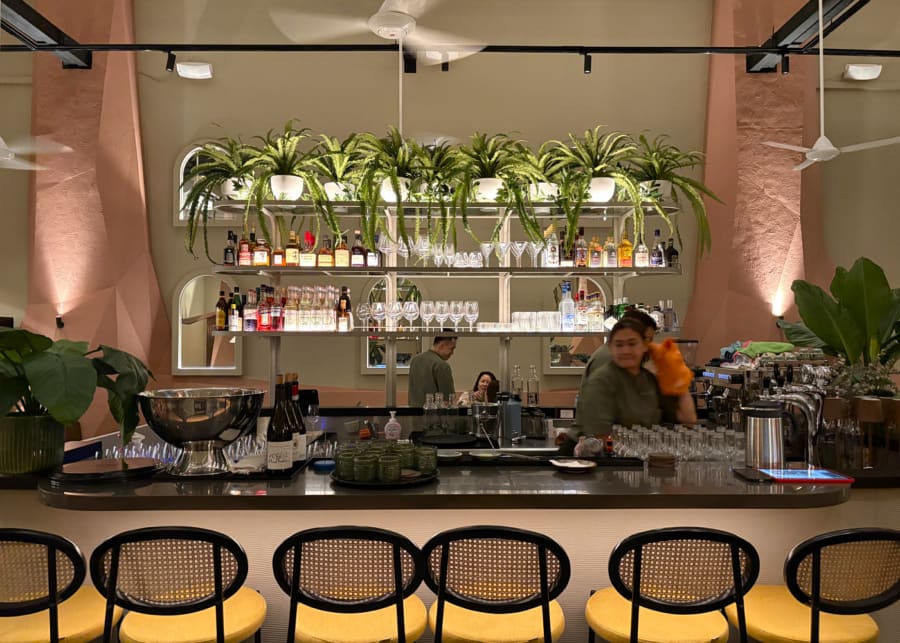
A Forest Sanctuary Tucked Into the Hillside
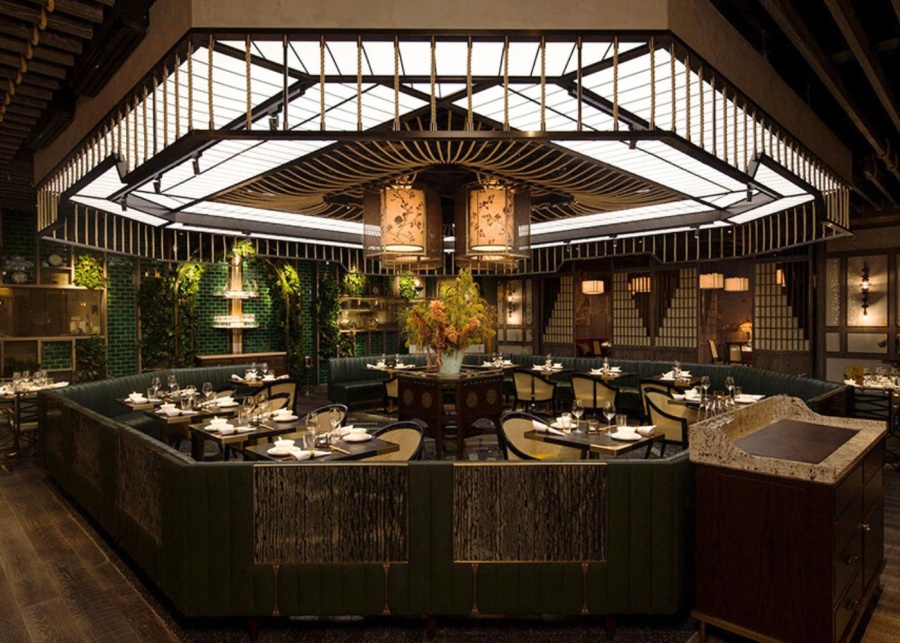
There is a particular quality to evening light as it filters through Dempsey Hill's canopy, the way it softens edges and invites you to slow your pace. Casa Mori, a collaboration between chef Willin Low and chef Jose Alonso, seems to understand this instinctively. The name itself is a linguistic marriage: casa, Spanish for home, and mori, Japanese for forest. Step inside and the portmanteau makes immediate sense. Potted foliage punctuates the dining room, angular lines carved into walls and pillars create intimate nooks, and arched windows frame the green beyond as if you've wandered into a Mediterranean villa transplanted into tropical surrounds.
We arrived on a weekday evening, the dining room already settling into its nocturnal rhythm. Lights dimmed to a honeyed glow, voices dropped to a considerate murmur. The design is deliberately minimalist, warm wood tones and blush accents, with structural elements that feel borrowed from architectural journals yet grounded enough to remain approachable. It is the sort of space that asks you to put your phone face-down and let the meal unfold at its own tempo.
The Menu: A Dialogue Between Two Traditions
At Global Chic Voyage, we've watched fusion cuisine evolve from novelty to nuance, and Casa Mori represents the latter. The menu does not simply juxtapose Spanish and Singaporean ingredients; it translates culinary philosophies. Large plates are designed for two, a nod to both tapas culture and the communal ethos of Southeast Asian dining. Portions are generous without being excessive, calibrated for those who prefer grazing to gorging.
The kalipoquetas arrive first, golden croquettes concealing a molten core of chicken curry, crowned with curry aioli. These are not the demure bechamel-filled versions you might encounter in Barcelona. The spice level skews assertively Singaporean, the kind of heat that builds rather than shocks. For sixteen dollars, the portion feels modest, three pieces that disappear quickly, leaving you wishing for an encore.
Garlic huajiao prawns follow, swimming in confit garlic and spiked with Szechuan peppercorn's distinctive numbing heat. The prawns themselves are cooked with precision, their flesh tender and sweet, while toasted bread serves as edible utensil for the fragrant oil pooled at the bottom of the dish. It is the sort of preparation that rewards those who linger, who take the time to chase every last drop of flavor.
Rice, Reimagined
No meal rooted in Asian sensibility feels complete without rice, and Casa Mori obliges with squid ink fried rice. The dish arrives jet-black, theatrical in its presentation, topped with a glistening onsen egg and a scattering of tobiko. The rice itself defies expectation, each grain separate and glossy rather than clumped or dry. The egg, when broken, cascades into creamy rivulets that bind the dish together, while the tobiko contributes bursts of brine and texture. It is fried rice elevated beyond comfort food yet still recognizably rooted in hawker tradition.
Proteins With Purpose
The spring chicken, roasted in a Josper oven, emerges with skin bronzed to a crackle and flesh that remains juicy beneath. A ginger relish accompanies, its brightness cutting through the richness of the bird without overwhelming the smoke-kissed flavor. At thirty-six dollars, it is the sort of dish that anchors a meal, substantial enough to share yet refined in execution.
Black cod arrives draped in Chinese olive mustard leaf and Japanese takana, a composition that leans into the restaurant's broader Asian vocabulary. The fish flakes easily, its natural richness balanced by the slight bitterness and minerality of the greens. It is a dish that demonstrates restraint, allowing each component to speak without crowding the palate.
Vegetables, often relegated to afterthought status, receive thoughtful treatment here. Broccolini and Brussels sprouts are charred to the point of crispness, their edges caramelized and slightly bitter, their centers still tender. For twenty-four dollars, the dish may seem indulgent for greenery, but the preparation justifies the price. These are vegetables cooked by someone who understands that produce deserves the same attention as protein.
The Sweet Conclusion
Dessert presents a choice between mochi churros and black sesame cheesecake, both priced at sixteen dollars. The churros emerge victorious, their exteriors crisp and lightly sugared, their interiors yielding the characteristic chew of mochi. They are accompanied by two dipping sauces: a rich chocolate and a kaya rendition that nods to Singaporean breakfast tradition. The kaya proves divisive, an acquired taste that may feel too familiar or too unexpected depending on your palate, but the chocolate offers safe harbor for those seeking classic comfort.
The black sesame cheesecake, by contrast, struggles with texture. The filling carries a grainy quality that disrupts the expected creaminess, and the sesame flavor, while present, feels muted rather than pronounced. It is the rare misstep in an otherwise assured menu.
Why Dempsey, Why Now
There is something deliberate about situating Casa Mori at Dempsey Hill. The location is not convenient in the way that Orchard or Marina Bay are convenient. It requires intention, a taxi ride from Napier station, a commitment to the journey. Yet that very remove feels integral to the experience. Casa Mori is not designed for hurried lunches or transactional dining. It is a destination, a place that rewards those willing to carve out an evening.
The restaurant joins a growing conversation about what Singaporean cuisine can be when untethered from strict preservation of tradition. Chef Willin Low has long explored contemporary interpretations of local flavors, and his partnership with chef Jose Alonso extends that exploration into new territory. The result is neither Spanish nor Singaporean in any purist sense but something hybrid and evolving, a cuisine that acknowledges its roots while refusing to be bound by them.
The Verdict: Worth the Journey
We've returned to many restaurants over the years, and the ones that linger in memory are rarely those with the longest wine lists or the most Instagram-friendly interiors. They are the spaces that understand hospitality as more than service, that create an atmosphere conducive to conversation and lingering. Casa Mori achieves this balance. The design invites you to settle in, the pacing of the meal encourages multiple courses, and the food itself sustains interest across the menu.
Is it perfect? Not quite. Portion sizes on certain dishes feel conservative, and the occasional textural misstep reminds you that even skilled kitchens have their off moments. But perfection has never been the measure of a restaurant worth visiting. What matters is whether a place offers something distinct, whether it contributes meaningfully to the dining landscape. Casa Mori does both.
If you find yourself craving an escape from the city's relentless tempo, if you want cooking that respects tradition while exploring new vocabulary, if you believe that dinner should be an event rather than a transaction, then the journey to Dempsey Hill is not an inconvenience but part of the experience. Casa Mori has carved out a niche that feels both timely and timeless, a forest home where two culinary worlds meet and, more often than not, harmonize beautifully.
Credit: Sufyan Saad
Spot something wrong? Email editors@globalchicvoyage.com. We log every correction publicly.
RELATED
SEE ALL →
30 Jul 2026 / 5 min
24 Jul 2026 / 5 min
30 Jun 2026 / 5 min
13 Jun 2026 / 5 min