
The Quieter Side of Queenstown: Where the Southern Alps Meet Slow Luxury
Beyond the adrenaline rush, New Zealand's alpine jewel reveals itself in lakeside dinners, vineyard terraces, and the kind of silence only mountains can hold.
CG
29 Jun 2026 · 5 MIN READ · UPDATED 17 AUG 2026
A Different Kind of Arrival
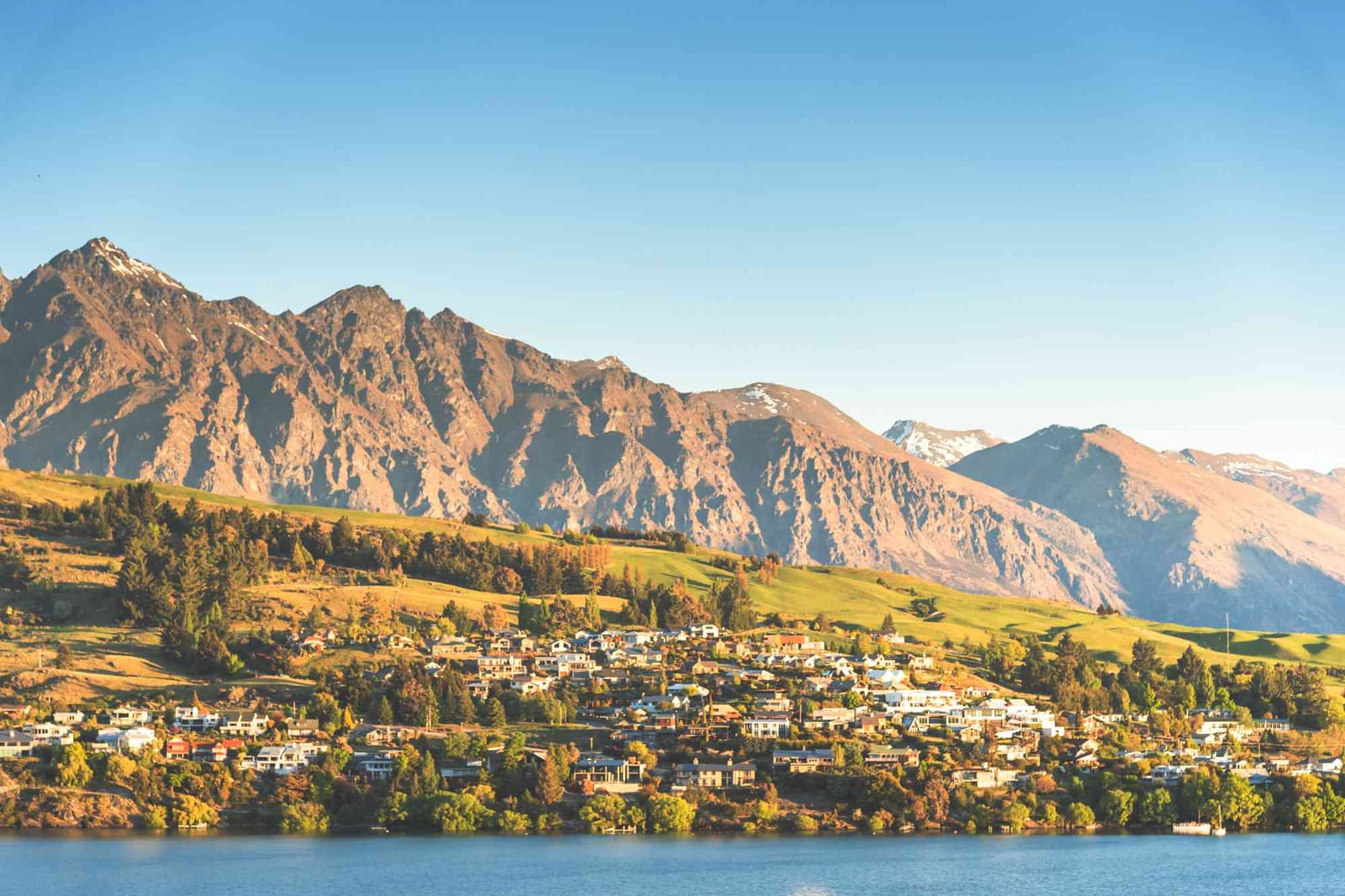
There is a moment, descending into Queenstown, when the plane banks over Lake Wakatipu and the Remarkables rise like a serrated blade against the sky. First-time visitors lean toward the windows; those who have returned settle back with the satisfied smile of people coming home. At Global Chic Voyage, we have watched this town evolve from adventure capital to something more layered: a place where the adrenaline still flows, certainly, but where the real luxury is found in pauses between the rush.
Queenstown sits at the intersection of extremes. It is a town built on gold and reinvented on gravity, where the same lake that mirrors snow-capped peaks also hosts seaplanes and vintage steamers. Yet beneath the surface energy, a quieter culture has taken root: one of slow food, natural wine, and accommodations that understand the value of a view left unobstructed.
Where to Rest Your Head
The question of where to stay in Queenstown is not simply logistical; it is philosophical. Do you want to be in the heart of the action, where the hum of the town drifts through your window at night? Or do you retreat to the periphery, where the only sound is the wind moving through beech trees?
For those who choose proximity, the boutique hotels along the waterfront offer a front-row seat to the lake's moods. Rooms here tend toward understated elegance: linen in shades of stone, bathrooms clad in schist, balconies that frame the mountains like living art. The best of them resist the temptation to over-design, allowing the landscape to do the heavy lifting.
A short drive out of town, however, the conversation shifts. The lodges and villas scattered across the surrounding valleys operate on a different frequency. Here, architects have carved spaces into hillsides, positioning windows to capture first light on the peaks or the last glow on the lake. Some properties offer private chefs who source from nearby farms; others provide nothing but solitude and a well-stocked wine fridge. Both approaches have their adherents.
We have found that the travelers who return to Queenstown year after year are often those who have discovered a specific property that aligns with their rhythm: a lakeside cottage with a wood-burning stove, a hillside retreat with a Japanese soaking tub, a penthouse suite where the entire Remarkables range unfolds beyond floor-to-ceiling glass. The town accommodates many versions of luxury, and the best choice depends less on star ratings than on how you measure comfort.
The Table as Destination
Queenstown's culinary scene has matured in ways that mirror its accommodation landscape. A decade ago, the dining conversation revolved around a handful of fine-dining establishments and a sea of tourist-oriented bistros. Today, the spectrum has widened considerably.
The most compelling meals often happen in the margins: a chef's table in a converted cottage, a vineyard restaurant where the sommelier is also the winemaker's daughter, a harborside spot where the menu changes with the fishing reports. These are places that have rejected the formula of international resort dining in favor of something more particular to this corner of the South Island.
Central Otago, the wine region that sprawls east of Queenstown, has become a pilgrimage site for those who appreciate Pinot Noir with a spine. The cellar doors here range from sleek modernist pavilions to rustic shearing sheds, but the through line is a commitment to terroir and a willingness to let the wine speak without embellishment. Many offer food pairings that showcase the region's produce: stone fruit in summer, game in winter, lamb year-round.
In town, the evolution is equally evident. Several chef-driven restaurants have opened in recent years, bringing techniques honed in Melbourne, London, and Tokyo back to the Southern Hemisphere. The menus tend toward concise: five or six dishes that change with the seasons, preparations that honor the ingredient rather than obscure it. At their best, these meals feel less like dining out and more like being welcomed into someone's very well-appointed home.
We have also noticed a proliferation of natural wine bars and micro-roasteries, the kind of establishments that signal a maturing food culture. These are gathering places for locals and the travelers who prefer to discover a destination through its everyday rituals rather than its marquee attractions.
Beyond the Bungee Cord
Queenstown's reputation as the adventure capital of New Zealand is well-earned and unlikely to fade. The bungee platforms, jet boats, and skydiving operations continue to draw those seeking controlled doses of terror. But for travelers whose idea of adventure involves less vertical drop and more horizontal wandering, the region offers a different set of experiences.
The walking trails that lace through the surrounding mountains range from gentle lakeside strolls to multi-day alpine crossings. The Routeburn Track, one of New Zealand's Great Walks, begins a short drive from town and ascends through beech forest into a landscape of tarns, waterfalls, and glacier-carved valleys. Even the shorter trails reward effort: a two-hour climb to the Ben Lomond saddle offers a perspective on the Wakatipu basin that no helicopter tour can replicate.
On the lake itself, the pace slows. Kayaking along the shoreline at dawn, when the water is still and the light has not yet reached the valley floor, provides a counterpoint to the town's kinetic energy. Some of the most memorable mornings we have spent in Queenstown involved little more than a paddle, a thermos of coffee, and the patience to let the landscape reveal itself incrementally.
The region's proximity to Fiordland and Mount Aspiring national parks also opens possibilities for day trips that feel like journeys to another planet. Milford Sound, despite its fame and the crowds it attracts, retains a capacity to silence even the most jaded traveler. Glenorchy, at the head of Lake Wakatipu, serves as a gateway to valleys and rivers that have stood in for Middle-earth in film and remain largely untouched by development.
The Rhythm of Seasons
Queenstown operates on a pronounced seasonal rhythm, and choosing when to visit shapes the experience as much as where you stay or what you eat. Winter, from June through August, transforms the town into a ski hub. The Remarkables and Coronet Peak draw skiers and snowboarders, while the surrounding peaks take on a stark, monochromatic beauty. The restaurants fill with aprés-ski crowds, and the hot tubs at the hillside lodges earn their keep.
Summer, by contrast, opens the high country. The trails that are snow-covered in July become accessible, the vineyards ripen, and the long southern twilight stretches dinner into the late evening. This is the season for lake swims, outdoor concerts, and the kind of languid afternoons that remind you why people travel in the first place.
Shoulder seasons offer their own appeal. Autumn, particularly in April, paints the poplar trees gold and thins the crowds. Spring brings wildflowers to the alpine meadows and a sense of the landscape waking up. For travelers who value solitude and are willing to gamble on weather, these months often deliver the most authentic encounters with the region.
What Queenstown Teaches Us
If there is a lesson embedded in Queenstown's evolution, it is that even the most adventure-focused destinations can mature into something more nuanced. The town has not abandoned its roots; the bungee cords still dangle from bridges, and the jet boats still carve white scars across the lake. But alongside that energy, a parallel culture has emerged: one that values provenance, craft, and the kind of luxury that does not announce itself.
We return to Queenstown not for the adrenaline, though that remains an option, but for the way the light moves across the lake in the late afternoon, for the Pinot Noir that tastes like the schist soil it grew in, for the particular quality of silence that only a mountain valley can hold. It is a place that rewards both intensity and stillness, often within the same day.
For the traveler willing to look beyond the brochures, Queenstown reveals itself not as a collection of activities to be ticked off, but as a landscape to be inhabited, however briefly. The perfect trip, we have found, is less about seeing everything and more about finding the rhythm that matches your own. Some will discover it on a ridge at sunrise, others at a chef's counter at dusk. The mountains, indifferent and magnificent, will be there either way.
Photo: primeimages / Getty Images
Spot something wrong? Email editors@globalchicvoyage.com. We log every correction publicly.
RELATED
SEE ALL →
29 Jul 2026 / 5 min
23 Jul 2026 / 5 min
21 Jul 2026 / 5 min
15 Jul 2026 / 5 min