
The Geography of Intimacy: Why Couples Still Travel to Reconnect
In an era of constant digital proximity, the act of leaving home together remains one of the most reliable catalysts for rediscovering each other.
SI
1 Jul 2026 · 5 MIN READ · UPDATED 17 AUG 2026
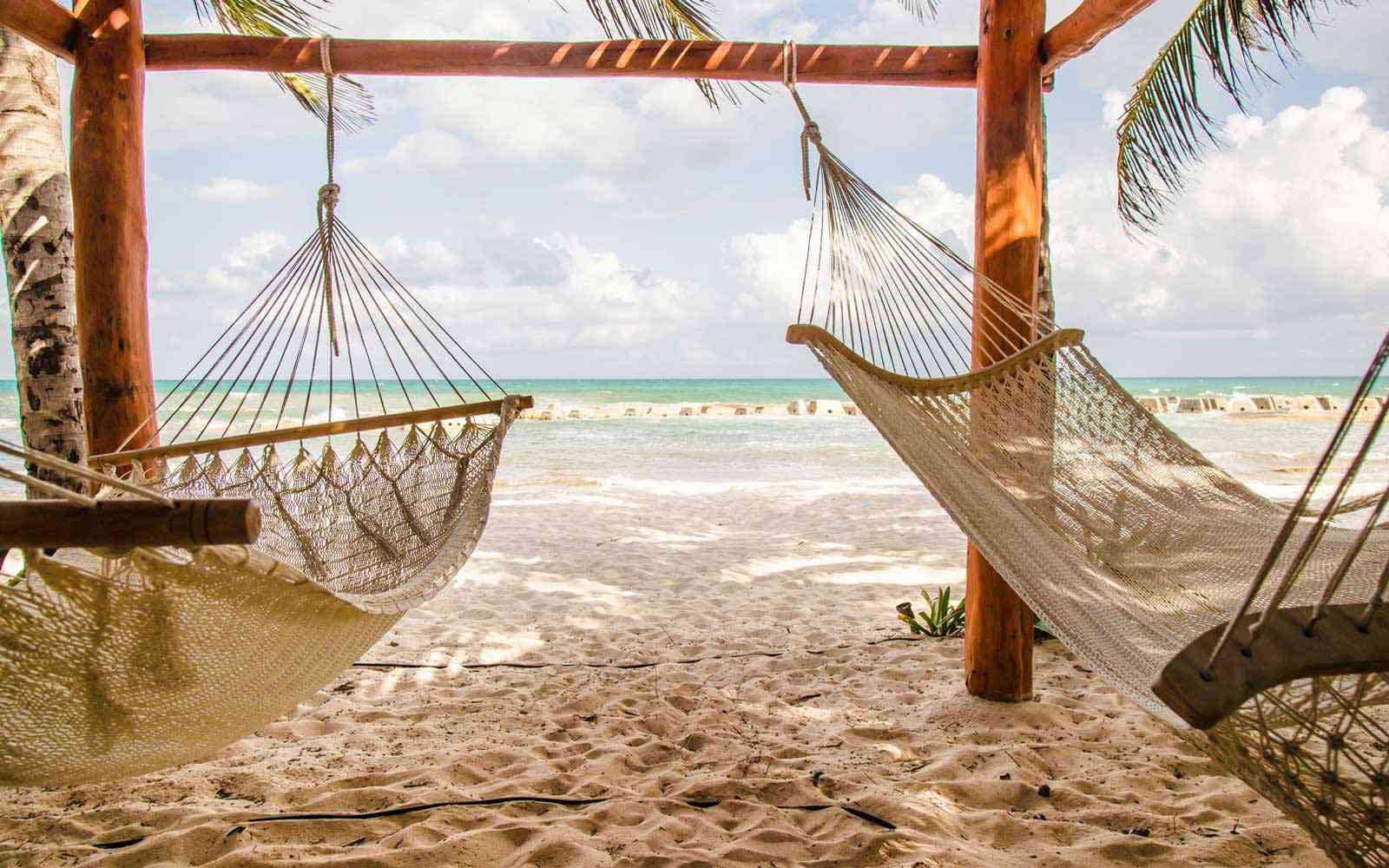
The Ritual of Departure
There is something alchemical about the moment a couple closes the front door behind them, suitcases in hand. The calendar has been cleared. The dog is with neighbors. Email auto-replies are set. What follows is not merely a change of scenery but a temporary suspension of the roles and rhythms that define daily coexistence: who does the dishes, who answers work calls during dinner, who remembers to buy milk.
At Global Chic Voyage, we've watched the travel patterns of couples evolve over the past decade. Where once the romantic escape was framed purely as indulgence, today it functions more as infrastructure. The weekend away has become less about celebrating an anniversary and more about creating the conditions under which two people might actually talk to each other without distraction. The destination matters less than the departure itself.
What the Landscape Offers That Home Cannot
Geography plays a curious role in intimacy. A coastal town two hours from your doorstep can feel more psychologically distant than a city on another continent if it successfully interrupts routine. The best getaways for couples are not necessarily the most luxurious or remote, but those that impose a different tempo: slower mornings, unstructured afternoons, meals that stretch into evenings without anyone checking the time.
Wine regions excel at this. So do small islands accessible only by ferry, where the act of crossing water becomes a threshold between worlds. Mountain lodges with limited cell service. Historic towns where walking replaces driving, and the architecture itself invites you to look up rather than down at your phone. These places do not demand romance so much as make space for it, which is a subtler and more valuable service.
The landscape also provides a neutral stage. At home, every room carries the weight of accumulated domesticity: the argument you had in the kitchen last Tuesday, the stack of unopened mail on the desk, the bedroom that doubles as a laundry sorting station. A well-chosen hotel room or rental cottage offers a blank canvas, a place where you are not yet tired of each other's habits because those habits have not yet inscribed themselves into the furniture.
The Economics of Togetherness
Weekend escapes for couples have become a significant segment of the hospitality industry, and hotels have responded with increasingly sophisticated offerings. Boutique properties market "romance packages" that bundle champagne, late checkout, and couples' spa treatments. Larger resorts create adults-only sections or entire properties. Vacation rental platforms allow couples to filter for "romantic" stays, a category defined as much by what is absent (other guests, families, noise) as by what is present.
Yet the most successful romantic getaways, in our experience, are those that do not try too hard. A room with a view is worth more than a dozen rose petals scattered across a duvet. A well-stocked kitchen in a rental apartment can be more intimate than a Michelin-starred tasting menu if it allows you to cook together, pour wine without watching the clock, and eat in your pajamas. The luxury is not in the thread count but in the freedom to move through time without external scheduling.
This is not to say opulence has no place. There are moments in a relationship when the grand gesture is exactly what is needed: the milestone anniversary, the reconciliation after a difficult period, the celebration of a shared achievement. But the regular maintenance of intimacy, the kind that prevents relationships from calcifying into mere cohabitation, requires something more sustainable. It requires the ability to leave, even briefly, and rediscover each other as travelers rather than housemates.
The Destinations That Keep Drawing Couples Back
Certain places have become synonymous with romantic escape, and the reasons are worth examining. Paris endures not because of any inherent magic in its cobblestones but because it has perfected the infrastructure of leisure: long meals are expected, afternoon closures normalize rest, and the density of the city means you can walk for hours without purpose and still discover something worth seeing. The city does not ask you to perform romance; it simply makes idleness socially acceptable.
Coastal destinations offer a different appeal. The ocean imposes its own rhythm, and couples find themselves falling into sync with tides rather than inboxes. The Greek islands, the Amalfi Coast, the beaches of Bali, the coves of Croatia, each provides variations on the same theme: arrival by boat, meals eaten late, days structured around swimming and sun rather than meetings and obligations. The water itself becomes a collaborator, washing away the residue of stress.
Mountain retreats work differently. They offer enclosure rather than expanse, the sense of being tucked away from the world rather than opened up to it. Alpine villages, Scottish highlands, the hill stations of Southeast Asia, these places create intimacy through proximity and shared warmth. You are more likely to touch when it is cold, more likely to stay in when the weather turns, more likely to talk when there is nothing else to do but watch the fire.
The Practicalities of Escape
Planning a couples' getaway involves navigating a series of small but significant decisions. How far to go, given the time available. Whether to choose familiarity or novelty. Whether to pack the itinerary or leave it open. These choices reveal as much about the relationship as the trip itself.
Some couples thrive on spontaneity, booking last-minute flights and arriving without reservations. Others need structure, detailed itineraries that ensure they see everything worth seeing. Neither approach is superior, but the mismatch between styles can create friction. The most successful trips tend to involve negotiation: one person chooses the destination, the other plans the meals; one morning is scheduled, the next left open.
Budget, too, shapes the experience in ways that go beyond simple affordability. An expensive resort can create pressure to maximize every moment, to justify the cost with constant activity and consumption. A modest rental can paradoxically offer more freedom, because there is less financial anxiety attached to doing nothing. The goal is not to spend as little or as much as possible, but to spend in alignment with what the relationship actually needs at that moment.
Why Some Trips Succeed and Others Don't
Not every romantic getaway achieves its intended purpose. Some couples return home more exhausted than when they left, having tried to cram too much into too few days. Others discover that removing the distractions of daily life only exposes deeper incompatibilities, the realization that they have little to say to each other when work and logistics are off the table.
The difference often comes down to expectation. A trip framed as a test, "we need this to reconnect or else," carries too much weight. A trip framed as an experiment, "let's see what happens when we have three uninterrupted days together," allows for surprise. The best romantic getaways are those where the relationship is not the sole focus but is allowed to unfold naturally in the context of shared experience: a meal, a hike, a conversation on a balcony at sunset.
There is also the question of re-entry. The return home can feel jarring, the accumulated email and laundry a harsh reminder of why you left in the first place. Couples who make weekend escapes a regular practice, rather than a once-a-year event, report that the benefits compound. The trip becomes a reset button that both partners know is available, a shared understanding that when the daily grind becomes too grinding, relief is only a few hours' drive away.
The Future of Romantic Travel
The way couples travel is shifting. Shorter trips are becoming more common than long vacations, driven by work flexibility, budget constraints, and the recognition that a two-night escape can be as restorative as a two-week holiday if designed well. Remote work has also changed the equation, allowing some couples to extend weekends into workweeks, blending travel and routine in ways that were not possible a generation ago.
Sustainability is increasingly a consideration. Couples are choosing closer destinations to reduce carbon footprints, or opting for slow travel, trains instead of flights, bicycles instead of rental cars. The romance of the journey itself is being rediscovered, the idea that getting there can be as meaningful as arriving.
At the same time, the definition of a romantic getaway is expanding. Adventure travel, once the domain of solo backpackers or friend groups, is being reframed as a bonding experience for couples. Hiking multi-day trails, learning to surf, taking cooking classes in foreign countries, these activities offer shared challenge and accomplishment, a different kind of intimacy than the traditional spa-and-champagne model.
What We Return With
The value of a couples' getaway is not always immediately apparent. The photos will be lovely, the memories pleasant, but the real benefit often reveals itself weeks later, in the way you reference an inside joke from the trip, or the way a particular song brings you both back to that café in the square, or the way you find yourself more patient with each other because you remember what it feels like to be on the same team.
Travel, at its best, reminds couples that they are not just co-managers of a household or co-parents or co-workers in the shared enterprise of daily survival. They are also companions, co-explorers, people who once chose each other for reasons that had nothing to do with logistics. The weekend getaway is not a fix for a broken relationship, but it can be a reminder of what is worth maintaining. And sometimes, that reminder is enough.
Photo: Patrick Tappe / Getty Images
Spot something wrong? Email editors@globalchicvoyage.com. We log every correction publicly.
RELATED
SEE ALL →
17 Jul 2026 / 5 min

17 Jul 2026 / 5 min

29 Jul 2026 / 5 min
23 Jul 2026 / 5 min