
Where Romance Finds Its Geography
From island hideaways to cities built on intimacy, the landscapes that conspire to bring two people closer together
SI
17 Jul 2026 · 5 MIN READ · UPDATED 17 AUG 2026
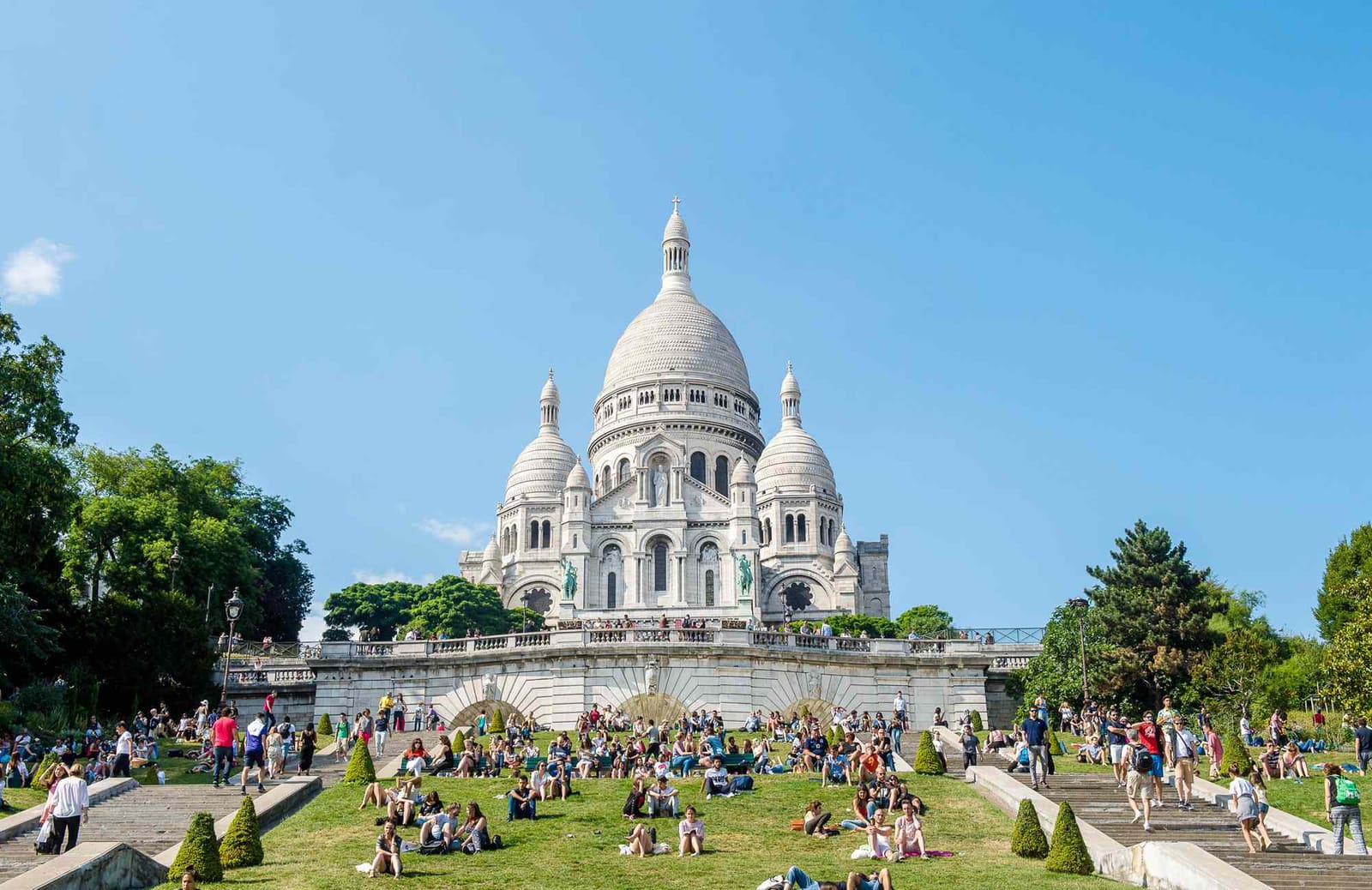
The Architecture of Intimacy
There is a particular silence that settles over two people when the landscape around them holds nothing but possibility. We've felt it on the stone terraces of Mediterranean villages where the only sound is the clink of wine glasses and the distant hum of the sea. We've watched it unfold in the half-light of Nordic winter, when couples lean into each other against the cold and discover that proximity becomes its own conversation.
At Global Chic Voyage, we've learned that romance isn't a destination you book - it's a quality of light, a particular rhythm of time, a geography that conspires to bring two people closer together. Over the years, we've returned to certain places not because they offer luxury (though many do), but because they seem designed by accident or intention to strip away distraction and leave only connection.
What follows is not a checklist but a meditation on the kinds of places that have, in our experience, created the conditions for intimacy. Some are islands where the world narrows to two. Others are cities whose very architecture seems to facilitate the meeting of eyes across a table. All of them share a quality that is difficult to quantify but unmistakable when you feel it: they make room for romance to breathe.
Islands That Rewrite Distance
The geography of an island does something to time. Cut off from the mainland by water, hours expand. Meals last longer. Conversations deepen. The very act of arrival - by boat, by small plane - feels like a crossing into another state of being.
We've watched this transformation happen in the Maldives, where overwater bungalows turn the Indian Ocean into a private stage set. But we've also felt it in less obvious places: the volcanic beaches of Santorini, where black sand holds the heat of the day long after the sun has set; the pine-scented coves of Croatia's Dalmatian coast, where stone villages cling to hillsides and every restaurant seems to have been placed with sunset in mind.
What these islands share is a sense of enclosure that paradoxically feels like freedom. When the world is bounded by water, when there is nowhere else to be, attention turns inward. To each other. To the present moment. To the texture of a day measured not in appointments but in tides.
Cities Built for Two
Not all romance requires remoteness. Some cities seem to have been designed with couples in mind, their streets and squares arranged to facilitate the slow unfolding of an evening, the accidental discovery of a hidden courtyard, the shared pleasure of being beautifully lost.
Paris, of course, has made an industry of this - the Seine-side walks, the café terraces, the way the city's geometry seems to guide you toward moments of beauty. But we've found the same quality in less expected places. Kyoto's temple gardens, where gravel paths force you to walk slowly, side by side. Cartagena's walled colonial center, where horse-drawn carriages move at the speed of conversation. Prague's lamplit bridges, where centuries of lovers have left their mark.
These are cities that reward walking, lingering, the art of doing nothing in particular together. Their infrastructure of romance is not built into hotels or restaurants (though both may be excellent) but into the urban fabric itself - the bench placed just so, the viewpoint that reveals itself only to those willing to climb, the neighborhood that comes alive at dusk.
Mountains and the Clarity They Bring
There is something about altitude that clarifies. Perhaps it's the thinner air, the wider horizons, the way mountains reduce human concerns to their proper scale. We've seen couples arrive tense and distracted, then gradually soften as the days pass and the peaks work their quiet magic.
The Swiss Alps have perfected this transformation, with their chalet villages and cable cars that lift you above the everyday. But we've witnessed similar shifts in the Japanese Alps, where ryokans offer hot spring baths with mountain views and meals that arrive in courses timed to the rhythm of relaxation. In the Rockies, where wilderness presses close and luxury lodges provide just enough comfort to make the wildness feel accessible. In Patagonia, where the sheer drama of the landscape - glaciers calving, condors circling - puts relationship concerns into perspective.
Mountains demand presence. You cannot scroll through your phone while hiking a ridge trail. You cannot think about work emails while watching alpenglow paint a peak. This enforced attention becomes, almost without trying, attention to each other.
Desert Nights and Infinite Skies
If mountains clarify, deserts simplify. Strip away the green complexity of forests, the busy-ness of water, and what remains is elemental: rock, sand, sky, and the person beside you.
We've felt this reduction in Morocco's Sahara, where luxury camps provide plush interiors against the austerity of dunes, and the night sky offers a masterclass in perspective. In Arizona's Sonoran Desert, where resort pools reflect saguaro silhouettes and the air itself seems to hold heat like a memory. In Jordan's Wadi Rum, where Lawrence of Arabia rode and where the silence between rock formations is so complete it becomes a presence.
Desert romance is romance stripped of ornament. There is nowhere to hide, nothing to distract. What you bring to a desert - your capacity for wonder, your willingness to be small beneath vast skies - is what you'll discover together.
Coastlines Where Water Meets Intention
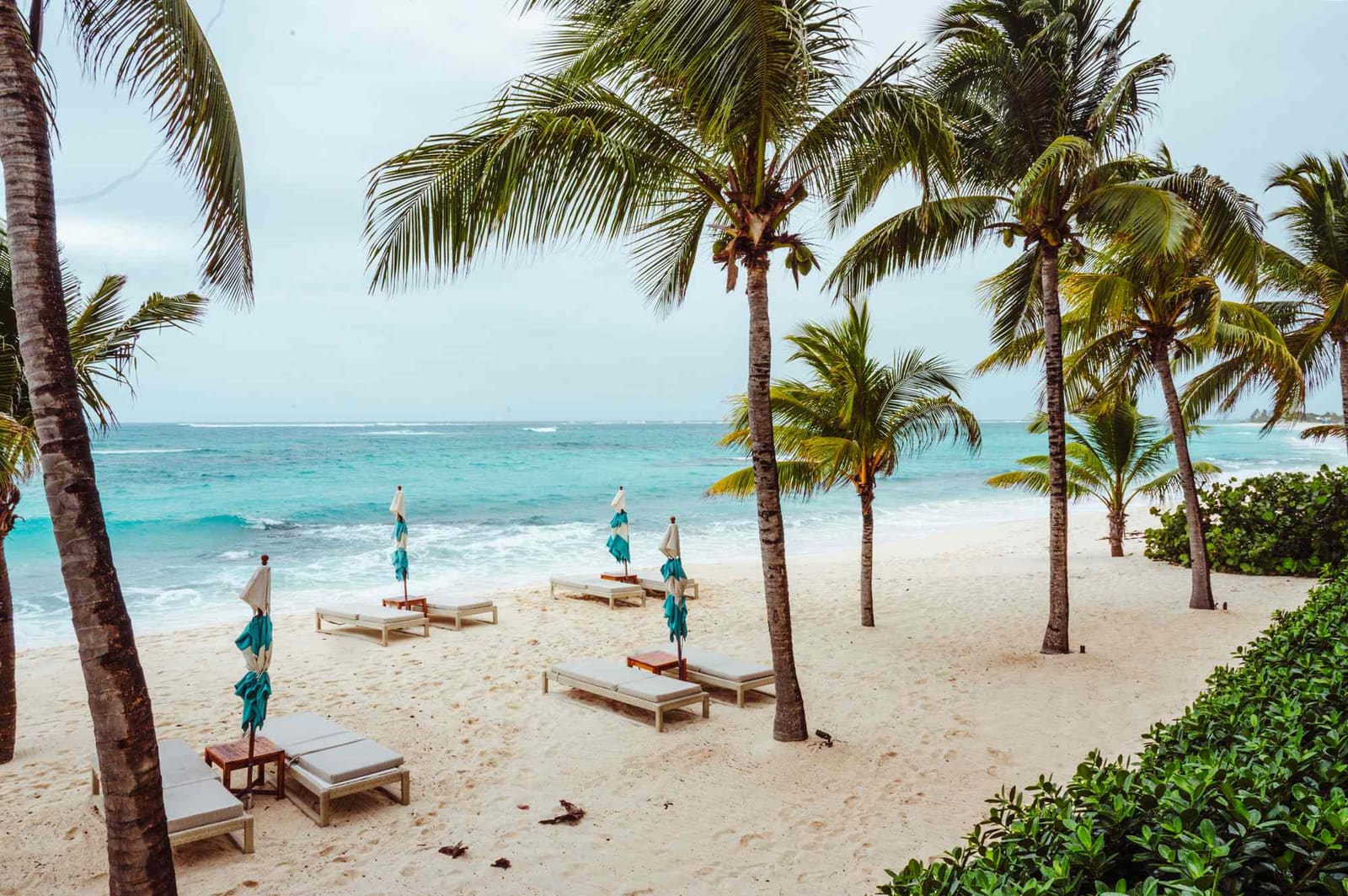
Some shorelines seem designed for drama - crashing waves, towering cliffs, the violent meeting of land and sea. These have their place. But the coastlines we return to are those where water meets land more gently, where beaches curve into coves and the transition from solid to liquid feels like an invitation.
The Amalfi Coast has built an entire economy on this invitation, its villages stacked vertically against cliffs, its restaurants perched over water. But we've found equally compelling coastlines in less trafficked places. Thailand's Andaman Sea, where limestone karsts rise from turquoise water and long-tail boats ferry couples to private beaches. Portugal's Algarve, where golden cliffs frame sandy stretches and seafood restaurants serve the day's catch with local wine. New Zealand's Bay of Islands, where 144 islands create a maze of possibilities and every cove promises discovery.
These are coastlines that invite exploration without demanding it. You can spend days island-hopping or never leave your beach. The romance is in the optionality, the sense that whatever you choose will be right.
The Ritual of the Journey
What we've learned, observing couples across continents and years, is that the destination matters less than we think. What matters is the decision to go, the carving out of time, the agreement that this - this place, this week, this person - deserves attention.
Romance, in this sense, is not something you find in a location but something you bring to it. The best destinations simply make it easier. They remove obstacles. They create conditions. They offer beauty that needs no explanation and time that moves at the speed of connection.
We've seen couples rediscover each other in the most unlikely places, and we've seen others remain distant in paradise. The geography helps, but it cannot do the work alone.
Planning for Intimacy
When we guide clients toward romantic destinations, we look for certain qualities. Privacy, yes, but not isolation - the ability to be alone together while knowing the world continues just beyond your door. Beauty that rewards slow observation rather than quick photography. Food and wine that encourage lingering. Architecture that creates spaces for conversation - terraces, courtyards, window seats with views.
We also look for what we call "positive friction" - small challenges that must be navigated together. A language barrier that requires teamwork. A hiking trail that demands mutual encouragement. A cooking class where you must collaborate. These tiny moments of shared problem-solving often create more intimacy than a dozen perfect sunsets.
The best romantic getaways are those that balance ease and engagement, comfort and discovery. They should feel special without requiring constant effort. They should offer opportunities for adventure and permission to do nothing. They should make you feel, however briefly, that you've stepped outside your regular life into something more vivid, more focused, more yours.
The Return
Perhaps the true test of a romantic destination is what you bring back with you. Not the photographs (though those have their place) or the souvenirs (though a good local wine travels well), but the recalibrated sense of what matters. The inside jokes born from shared experiences. The memories that become shorthand for larger feelings.
We've learned to recognize couples at the end of these journeys. There's a particular quality to the way they move through an airport - still synchronized, still leaning toward each other, carrying home something invisible but unmistakable. They've been somewhere that made room for them to remember why they chose each other in the first place.
That, more than any specific destination, is what we're really recommending. Not a place on a map but a state of being. Not an escape from life but a return to what makes life worth living. The geography just helps you get there.
Photo: Heather Durham / Travel + Leisure
Spot something wrong? Email editors@globalchicvoyage.com. We log every correction publicly.
RELATED
SEE ALL →
17 Jul 2026 / 5 min
1 Jul 2026 / 5 min
15 Jul 2026 / 5 min
6 Jul 2026 / 5 min