
The Caribbean Island That Captures the Region's Most Elusive Quality
One island rises above the rest in this year's reader survey, not just for its beaches but for something harder to quantify: the warmth of its welcome.
SI
18 Jul 2026 · 5 MIN READ · UPDATED 17 AUG 2026
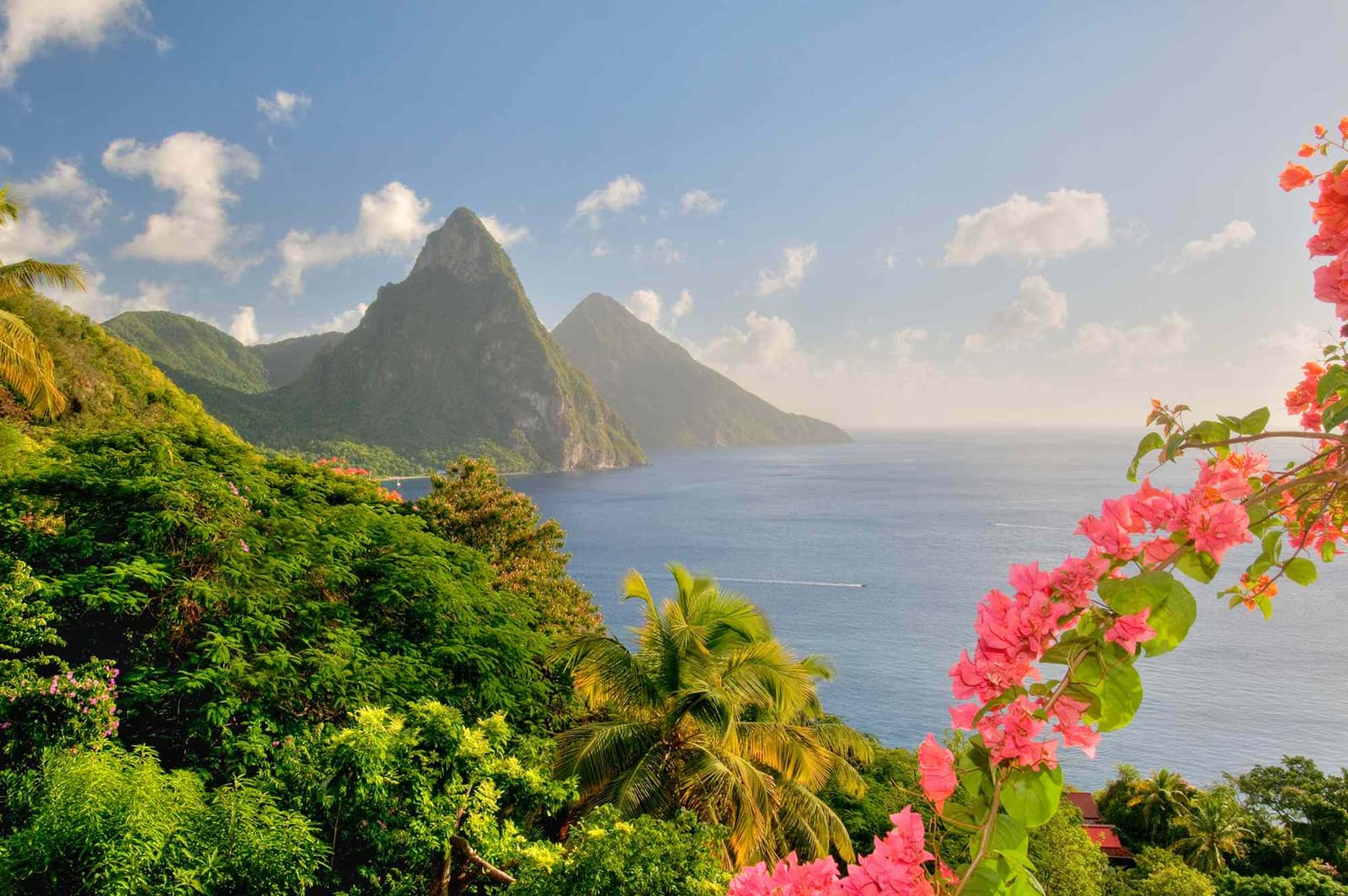
The Measure of Paradise
There is a moment that occurs on certain Caribbean islands, usually within the first hour of arrival, when the quality of light and the cadence of conversation begin to work on you. The taxi driver knows your hotel manager's cousin. A woman selling mangoes at a roadside stand offers directions without being asked. You realize, somewhere between the airport and your first rum punch, that the cliché about island hospitality might not be a cliché at all.
At Global Chic Voyage, we've spent years parsing what makes one island more compelling than another. Is it the architecture? The food? The ratio of beach clubs to untouched coves? This year, readers participating in a major industry survey offered their own answer, and it had less to do with infinity pools than with the intangible warmth that greets visitors the moment they step off the plane.
The island that claimed the top position in the 2026 rankings also earned recognition as the friendliest destination in the Caribbean, a double distinction that speaks to something we've long observed: luxury, in its truest form, is not about thread count or marble bathrooms. It's about feeling genuinely welcomed in a place that doesn't owe you anything.
What the Numbers Reveal
Reader surveys have become one of the more reliable barometers of travel sentiment, particularly in a region as varied as the Caribbean. With more than thirty inhabited islands spanning thousands of miles, the competition for affection is fierce. Some islands lean on their colonial architecture, others on their coral reefs or their culinary scenes. The ones that rise to the top tend to balance natural beauty with cultural authenticity and, crucially, a population that hasn't grown weary of tourists.
The 2026 survey drew responses from thousands of travelers who ranked their favorite Caribbean destinations across multiple categories. Twenty-five islands made the final list, a testament to the region's breadth. But the island that secured the number one spot did so by excelling in areas that can't be manufactured: the quality of interactions, the absence of transactional encounters, the sense that you are a guest rather than a customer.
We've noticed this shift in our own reporting. The properties we return to, the islands we recommend without hesitation, are rarely the ones with the most aggressive marketing campaigns. They're the places where the concierge remembers your coffee order, where the beach vendor doesn't follow you down the sand, where locals still use the same restaurants as visitors.
The Geography of Warmth
Friendliness is a strange metric to quantify, yet travelers seem to recognize it instantly. It's the difference between a smile that reaches the eyes and one that doesn't. It's the willingness of strangers to help you find a bakery that isn't listed on Google Maps. It's the ease with which conversations unfold, even when you're fumbling with unfamiliar currency or mispronouncing the name of a fish on the menu.
The Caribbean has always traded on its reputation for laid-back hospitality, but the reality is more textured. Some islands have been shaped by decades of mass tourism, which can wear down even the most generous spirit. Others remain relatively untouched, their populations still curious about the visitors who arrive each winter. The islands that manage to scale tourism without losing their soul are the ones that understand hospitality as a cultural value rather than a service industry mandate.
This year's top-ranked island has managed that balance with remarkable consistency. Its tourism infrastructure is sophisticated enough to accommodate luxury travelers, yet the local culture remains vibrant and accessible. You can stay in a boutique hotel designed by a celebrated architect and still buy breadfruit from a farmer who sets up shop on the roadside every Saturday morning. The two experiences don't cancel each other out; they coexist in a way that feels organic rather than curated.
Beyond the Beaches
What separates a good Caribbean island from a great one is rarely the quality of the sand. Most islands in the region have beaches that would be considered world-class anywhere else. The differentiation happens in the details: the breadth of the culinary scene, the preservation of historical sites, the availability of experiences that don't involve lying on a beach chair.
The island that claimed this year's top spot offers all of those things. Its capital is a UNESCO World Heritage site, its hiking trails wind through rainforests that have been protected for decades, and its restaurant scene reflects a genuine fusion of African, European, and indigenous influences. But more than any of that, it offers something harder to architect: a sense of ease.
We've watched this island navigate the challenges of Caribbean tourism with a level of intentionality that's rare. It hasn't rushed to build mega-resorts or cruise ship ports. Its hotel stock leans toward boutique properties and locally owned guesthouses. Its tourism board has invested in training programs that emphasize cultural exchange rather than transactional service. The result is an island that feels less like a resort destination and more like a place where people actually live, work, and welcome visitors into their daily rhythms.
The Broader Implications
This year's survey results arrive at a moment when the Caribbean is grappling with questions about overtourism, climate resilience, and economic equity. Islands that once competed primarily on price are now differentiating themselves through sustainability initiatives, cultural programming, and community-led tourism models. The ones that succeed in the coming decade will likely be those that prioritize quality over quantity, depth over breadth.
The island that topped this year's rankings offers a template worth studying. Its success isn't rooted in aggressive expansion or discounted packages. It's built on a foundation of genuine hospitality, cultural pride, and a tourism model that benefits locals as much as visitors. That's not a strategy that can be replicated overnight, but it's one that other destinations would do well to consider.
At Global Chic Voyage, we've long argued that the future of luxury travel lies in authenticity. Travelers are increasingly savvy about the difference between a place that tolerates tourists and one that genuinely welcomes them. They can sense when a destination has been engineered for their consumption versus when it has simply opened its doors and invited them in. The Caribbean island that claimed the top spot this year understands that distinction, and it's being rewarded for it.
What It Means for Travelers
For those planning a Caribbean escape, this year's survey results offer more than just a list of destinations. They provide a lens through which to evaluate what you're really looking for in an island getaway. If your priority is all-inclusive convenience and predictable luxury, there are islands that deliver that experience with precision. But if you're seeking something more textured, a place where the local culture is as much a draw as the coastline, the top-ranked island offers a compelling case study.
The hotels we've visited there range from historic estates converted into boutique properties to contemporary villas perched on hillsides. The dining scene includes everything from beach shacks serving grilled snapper to tasting-menu restaurants helmed by chefs who trained in Europe and returned home. The beaches are undeniably beautiful, but they're not the main attraction. The main attraction is the island itself, the way it holds onto its identity while still making space for visitors.
We expect this island to remain a favorite in the years to come, not because it's chasing trends but because it's stayed true to a vision of hospitality that feels increasingly rare. In a region where many destinations have become interchangeable, it stands apart by simply being itself, and by making you feel like you belong there too.
Photo: Wildroze / Getty Images
Spot something wrong? Email editors@globalchicvoyage.com. We log every correction publicly.
RELATED
SEE ALL →
18 Jun 2026 / 5 min
9 Jul 2026 / 5 min
12 Jun 2026 / 5 min

14 Jul 2026 / 5 min