The Quiet Elegance of St. Michaels, Where the Chesapeake Slows Time
A centuries-old harbor town on Maryland's Eastern Shore offers maritime history, refined dining, and the rare gift of unhurried days.
A Harbor That Remembers
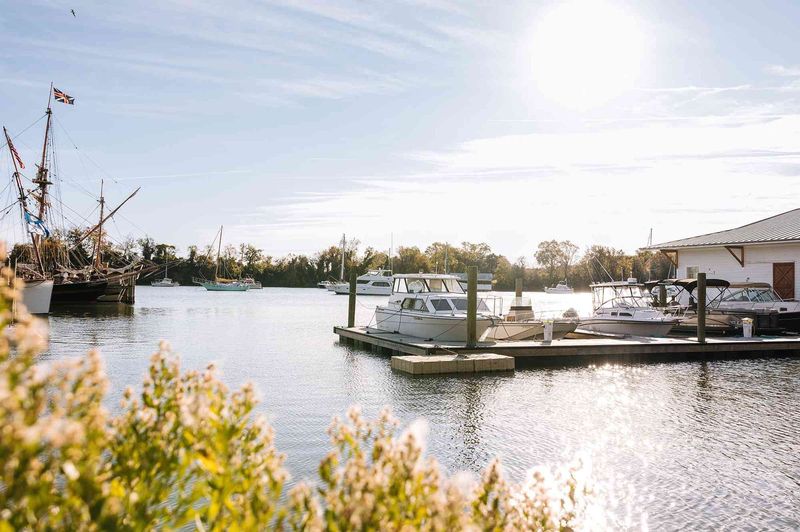
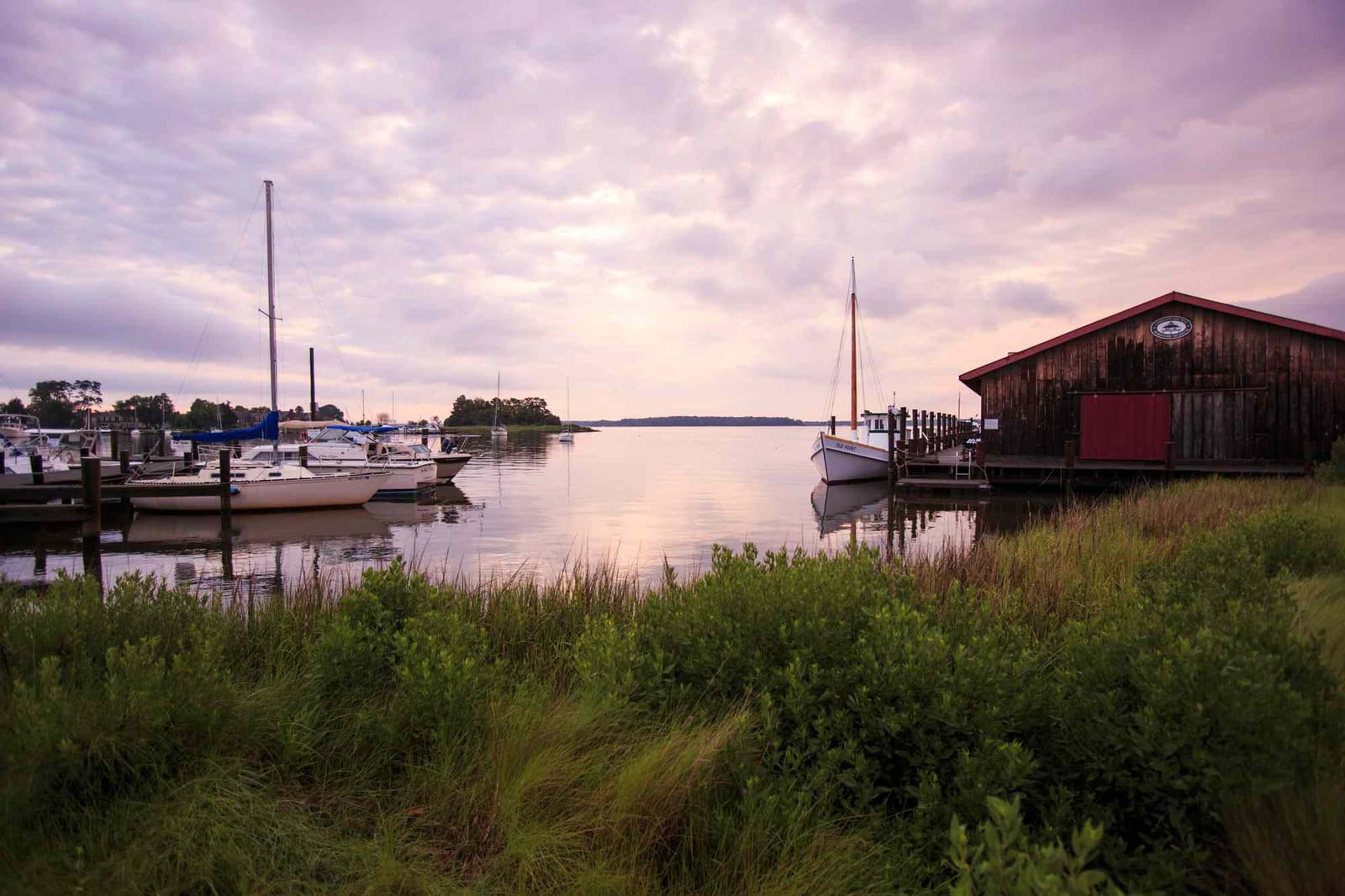
There is a particular quality to light on the Chesapeake in late afternoon, when it slants across water the color of pewter and catches the masts of sailboats rocking at anchor. In St. Michaels, a town of fewer than a thousand year-round residents on Maryland's Eastern Shore, that light feels like an invitation to pause. The harbor has witnessed centuries: colonial shipwrights, War of 1812 cannonades, generations of watermen pulling up crab pots at dawn. Today it witnesses something quieter but no less essential: travelers seeking refuge from velocity.
At Global Chic Voyage, we've watched the resurgence of small American harbor towns with interest, particularly those that manage to honor their working-class maritime past while cultivating a present-day culture of craft and care. St. Michaels threads that needle with uncommon grace. It is neither a museum nor a resort, but a living place where history and hospitality coexist without pretense.
The Architecture of Restraint
The town's built environment tells its own story. Federal-style brick homes line Talbot Street, their proportions modest, their shutters painted in the muted palette of the Chesapeake: oyster white, salt-marsh green, the soft grey of heron wings. There are no McMansions here, no architectural bombast. Zoning and a collective aesthetic sensibility have preserved a human scale that feels increasingly rare in American coastal towns.
Walk the residential streets in early morning and you'll see what we mean: picket fences weathered to silver, hydrangeas spilling over garden walls, the occasional cat sunning on a porch rail. This is not designed charm. It is the accumulated result of generations who understood that beauty need not announce itself.
The Chesapeake Bay Maritime Museum, spread across eighteen acres along the harbor, offers context for all of this. Its collection encompasses skipjacks and bugeyes, the working boats that defined the Bay's oyster economy for more than a century. The 1879 Hooper Strait Lighthouse, relocated here and meticulously restored, stands as a beacon not just for navigation but for a way of life rooted in tidal rhythms and seasonal abundance.
Tables Worth the Journey
For a town of its size, St. Michaels punches well above its weight in culinary terms. This is not accidental. The proximity to Chesapeake Bay means blue crabs, oysters, rockfish, and soft-shell crabs arrive at kitchen doors within hours of harvest. Local farmers supply heirloom tomatoes, sweet corn, and peaches that taste like childhood memory. What chefs do with these ingredients reflects both respect for provenance and a willingness to push beyond tradition.
We've returned year after year to certain tables here. One chef slow-roasts rockfish with fennel and preserved lemon, a technique that honors the fish's delicate texture while adding Mediterranean brightness. Another serves oysters four ways: raw with mignonette, tempura-fried with yuzu aioli, broiled with country ham and breadcrumbs, and in a silky chowder fragrant with thyme. Each preparation reveals a different facet of the oyster's mineral sweetness.
Dining rooms range from nautical-casual to white-tablecloth refinement, but nearly all share a commitment to the Chesapeake watershed. Menus change with the seasons because the Bay changes with the seasons. Come in late summer and you'll find soft-shell crab sandwiches that define the genre: cornmeal-crusted, served on toasted brioche with coleslaw and Old Bay aioli. Return in autumn for oyster stew enriched with cream and butter, a dish that has warmed watermen for generations.
The wine lists surprise. Sommeliers here have developed a fondness for Riesling and Albariño, whites with enough acidity to stand up to brine and butter, and for skin-contact orange wines that complement the funk of aged country ham. It's thoughtful curation in a place that could easily coast on location alone.
Water as Constant Companion
St. Michaels exists because of water, and any visit here means reckoning with that relationship. The Miles River, a tributary of the Chesapeake, defines the town's eastern and southern edges. At high tide, it laps at the pilings of the harbor docks. At low tide, it reveals mudflats where egrets stalk and fiddler crabs scuttle.
Kayaking these tributaries at dawn offers a perspective impossible to gain from land. The water is shallow, rarely more than ten feet deep, and remarkably clear in the morning before wind stirs the bottom. Paddle past private docks where Adirondack chairs wait empty, past marsh grasses that turn gold in September, past the occasional great blue heron standing motionless as a Zen monk. The silence is profound, broken only by the dip of your paddle and the occasional splash of a jumping fish.
Sailing charters depart daily from the harbor, skipjack cruises that evoke the Bay's oyster-dredging heritage or sunset sails aboard modern sloops. We prefer the latter: three hours on the water with nothing required of us but to watch the light change and feel the wind. Captains here know these waters with an intimacy born of decades. They'll point out osprey nests atop channel markers, explain the difference between a crab pot buoy and a fish trap float, and share stories of storms that old-timers still reference by year.
The Rhythm of Small-Town Life
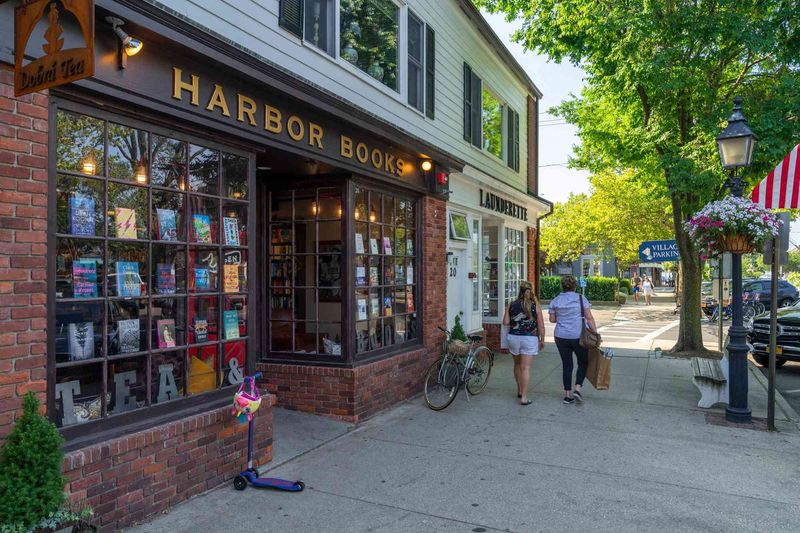
What St. Michaels offers, finally, is permission to move at a different pace. There are no must-see attractions that require advance tickets or timed entry. No influencer hotspots with hour-long waits. The pleasures here are quieter: browsing the independent bookshop on Talbot Street, where staff recommendations are handwritten on index cards. Sitting on a harbor bench with a cup of coffee and watching sailboats tack across the Miles River. Walking to the end of the public dock at sunset, when the sky turns shades of rose and amber that no camera quite captures.
The town hosts a handful of annual events, the sort that draw locals and visitors into shared celebration. The Mid-Atlantic Maritime Festival in May brings traditional boat builders and riggers to demonstrate their crafts. The St. Michaels Running Festival in October routes runners past historic homes and along waterfront paths, a race where scenery matters as much as time. These gatherings feel organic rather than manufactured, extensions of community life rather than tourism spectacles.
Accommodations range from historic inns where fireplaces crackle on cool evenings to contemporary boutique hotels with spa services and farm-to-table breakfasts. Many properties occupy restored 18th- and 19th-century buildings, their guest rooms appointed with antiques and local art. The best of them understand that luxury in a place like this means space, quiet, and quality linens rather than marble bathrooms and monogrammed robes.
A Landscape in Transition
It would be dishonest to write about the Chesapeake Bay without acknowledging its fragility. Water quality, once pristine, has declined due to agricultural runoff and development. The oyster population, which once filtered the entire Bay in a matter of days, has been decimated by overharvesting and disease. Rising sea levels threaten the marshes that buffer storms and nurture juvenile fish.
St. Michaels sits at the intersection of these challenges and the efforts to address them. The Maritime Museum's oyster restoration program plants millions of spat on sanctuary reefs each year. Local restaurants participate in sustainability initiatives, serving only oysters from certified aquaculture farms. Rain gardens and bioswales have been installed throughout town to reduce stormwater pollution.
These are not abstract concerns for residents here. They are daily realities that shape how people fish, farm, and build. Visitors who pay attention will notice the care embedded in these choices: the restaurant that lists the name of the oyster farm on its menu, the inn that collects rainwater for its gardens, the museum docent who speaks passionately about eel grass restoration.
Why We Return
We've stayed in St. Michaels in every season, and each reveals something different. Spring brings migratory birds by the thousands, their calls echoing across the marshes. Summer means long evenings on restaurant patios, fireflies blinking in the dusk. Autumn delivers crisp air and the sweet smoke of wood fires. Even winter, when the harbor quiets and many businesses close for the season, holds a stark beauty.
What draws us back, finally, is the town's refusal to perform. It does not try to be anything other than what it is: a small Chesapeake community with deep roots and a clear sense of identity. In an era when so many destinations feel curated for Instagram, that authenticity registers as profound luxury.
St. Michaels asks nothing of its visitors except that they slow down, pay attention, and perhaps stay for another day. For those willing to meet it on those terms, it offers rewards that accumulate quietly: the taste of a just-shucked oyster, the sight of sailboats at anchor, the sound of wind in the rigging, the knowledge that places like this still exist, still matter, still endure.