Where Luxury Resorts in Bali Finally Get the Dining Right
From cliffside fire-cooked feasts to jungle-view Indonesian journeys, the island's hotel restaurants are shedding their tired reputation with kitchens that now rival the island's standalone dining scene.
The Long Shadow of Mediocrity
For years, the phrase "hotel restaurant" in Bali carried an unspoken warning. Overpriced buffets under fluorescent lights. Dishes that aimed for international appeal and landed nowhere in particular. The kind of dining room you'd walk through quickly on your way to something better beyond the resort gates. That reputation, earned through countless forgettable meals, has proven difficult to shake, even as the island's culinary landscape has evolved dramatically around it.
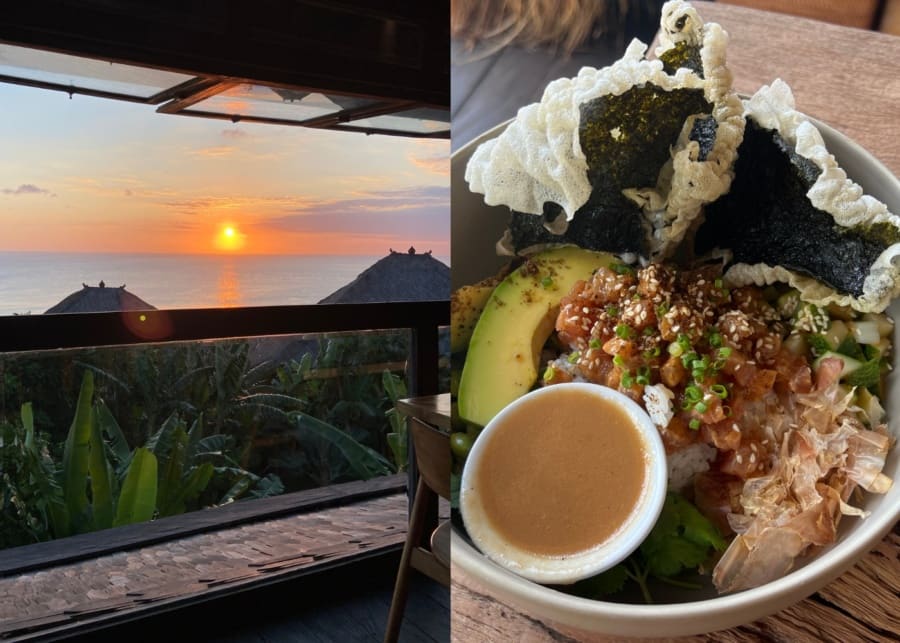
Yet something has shifted. A handful of properties across the island have stopped treating their dining programmes as amenities and started building them as destinations. The change is not cosmetic. These are kitchens backed by chefs who understand regional cooking, who source from specific villages, who have spent years studying the interplay between Balinese techniques and contemporary methods. The dining rooms themselves have been reimagined, not as enclosed spaces insulated from their surroundings, but as open pavilions that frame the island's geography: cliffs dropping into the Indian Ocean, jungle valleys threaded with rivers, beaches where the sand is black volcanic grit rather than imported white powder.
The question is no longer whether a hotel restaurant in Bali can be good. It is which ones have earned their place at the table.
Fire and Cliff in Uluwatu
The southern peninsula of Uluwatu has become a proving ground for this new approach. At Mana, perched on the cliffside above pumping surf breaks, the kitchen leans into what it calls "wholesome, nourishing bites from both land and sea". The phrase could easily tip into wellness cliché, but the execution is more grounded. Baja fish tacos arrive with enough texture and acidity to hold attention. A skillet-roasted chicken, cooked in cast iron, tastes of fat and smoke rather than health-food compromise. The dining pavilion is built from reclaimed teak and ironwood, materials that weather visibly in the salt air, and the long communal tables encourage the kind of easy conversation that rigid fine-dining layouts often stifle.
A few kilometres north, Waatu takes the fire concept further. The kitchen here is organised around open flame, with a menu that celebrates what it describes as primal cooking techniques. Produce comes from named farms and fishing villages. Wagyu yakitori skewers are grilled over binchōtan charcoal. Whole fish are roasted until the skin blisters. The flatbreads, folded and still warm, are meant to be torn and shared. Dessert arrives inside a whole cacao pod, a piece of theatre that somehow avoids feeling gimmicky because the whipped chocolate and salted caramel mousse inside are genuinely good. The location, above the cliffs that define this stretch of coastline, means the ocean is both backdrop and constant presence.
Valley Floors and Treetop Dining
Inland, the geography changes. The jungle valleys around Ubud have long attracted visitors seeking a different kind of immersion, and the dining options here reflect that shift in landscape and intention. At Tangelo, located within Cicada Resort in the Sebatu Valley, the dining room is built entirely without walls. The view looks straight out over dense forest, and the soundscape is layered: wind moving through leaves, the distant call of birds, the occasional rustle of something unseen in the undergrowth.
The kitchen's approach is what it calls a "mashup", taking international formats and reworking them with Indonesian ingredients and techniques. But the more compelling offering is the Archipelago Cuisine Journey, a multi-course menu that pulls dishes from across the country. Ayam Betutu from Bali. Soto Banjar from Kalimantan. Rendang Sapi from Java. Each dish is cooked to order, and the progression offers a compressed tour of regional Indonesian cooking. Live cultural performances accompany dinner most nights, with the Thursday Legong dance drawing particular attention.
At Ayung Terrace, part of Four Seasons Sayan, the elevation is even more pronounced. The restaurant sits high above the Ayung River valley, surrounded by treetops that form a canopy below. The kitchen is led by a chef who has spent years working with traditional Balinese recipes, applying contemporary techniques without erasing the original intent. Beef cheek is seasoned with traditional herbs and spices, then slow-cooked using sous vide technology until it reaches a texture that traditional methods alone cannot achieve. The result is a beef rendang that tastes both familiar and entirely new. Opor Ayam, grilled chicken breast in a coconut and candlenut broth, is served with cassava mash rather than rice, a substitution that alters the dish's weight and rhythm.
Beachfront Without Compromise
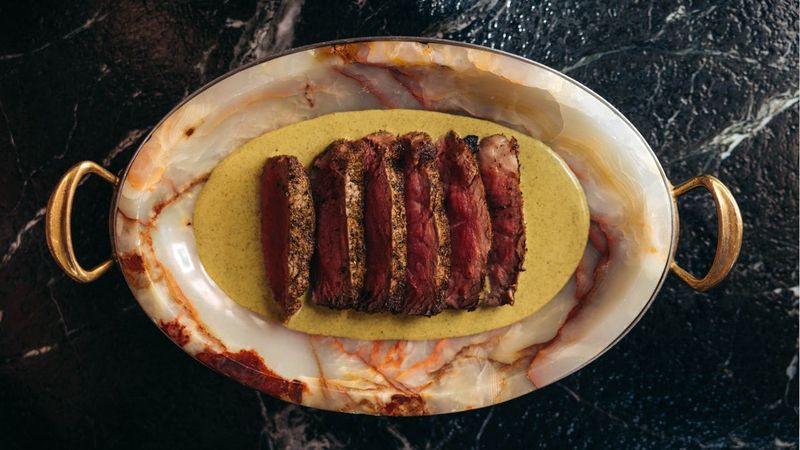
The coast offers its own set of possibilities. At Sundara, the beachfront restaurant at Four Seasons Jimbaran, the kitchen has found a balance between upscale presentation and relaxed barbecue energy. Fire pits are lit as the sun goes down. Seafood is sourced daily and cooked over wood smoke. The menu includes whipped foie gras and coffee wood-smoked Wagyu short ribs, dishes that signal ambition without tipping into fussiness. The setting is family-friendly during the day, but as evening arrives, the tone shifts. The infinity pool reflects the last light, and the dining area takes on a more sophisticated character.
Further east, in Nusa Dua, Kayuputi has been operating for more than a decade, one of the island's original fine-dining establishments. The dining room overlooks a pristine stretch of beach, and the menu draws on Balinese wisdom while focusing on pan-Asian haute cuisine. Coral trout carpaccio is layered with precision. Wagyu beef is cooked to exact specifications. The seafood linguine has developed a reputation that extends well beyond the resort itself. The wine programme has won the Wine Spectator Award for sixteen consecutive years, a distinction that speaks to both depth and consistency.
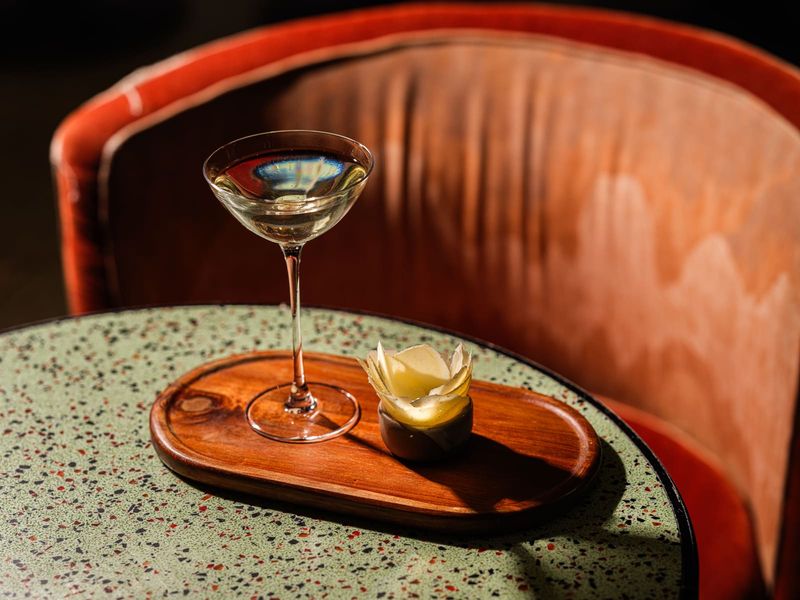
In Seminyak, Seasalt takes a different approach. The restaurant is positioned directly on the beach, with ocean views that stretch uninterrupted to the horizon. The kitchen works with Kusamba salt from East Bali, a specific sourcing decision that ties the menu to a particular place and tradition. The seafood is prepared with Japanese-inspired techniques, but the flavours remain rooted in Indonesian ingredients. The cocktail programme follows a zero-waste concept, using every part of each ingredient, a discipline that forces creativity without announcing itself loudly.
The Shift in Expectation
What these restaurants share is not a single style or approach, but a commitment to treating the dining programme as seriously as the property's architecture or location. The kitchens are led by chefs who have earned their positions through years of work, not simply hired to execute a corporate menu. The sourcing is specific rather than generic. The settings are designed to amplify rather than compete with their surroundings.
The shift is significant because it changes the calculus for visitors. A hotel restaurant is no longer something to be endured or avoided, but a reason to visit a property in the first place. The question is no longer whether to leave the resort for dinner, but whether the resort's dining room might be the best option available.
This is not yet the norm across Bali. Plenty of hotel restaurants still trade on location alone, serving food that tastes like it was designed by committee and executed without passion. But the examples above suggest that the tide is turning. The island's culinary reputation, built over the past decade by standalone restaurants and independent chefs, is finally beginning to influence the resort sector. The result is a dining landscape that is deeper, more varied, and more compelling than it has been in years.
For visitors, this means recalibrating expectations. The hotel restaurant is no longer the fallback option. In some cases, it is the destination itself.