A 138-Foot Yacht That Sleeps Silent at Anchor
The GX40 marries hybrid propulsion with Italian restraint, redefining what zero-emissions cruising looks and feels like.
A Shipyard Born from a Prince's Curiosity
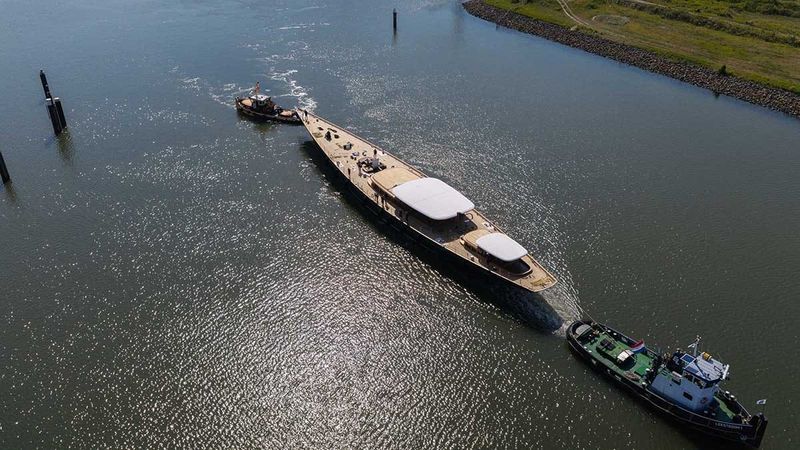
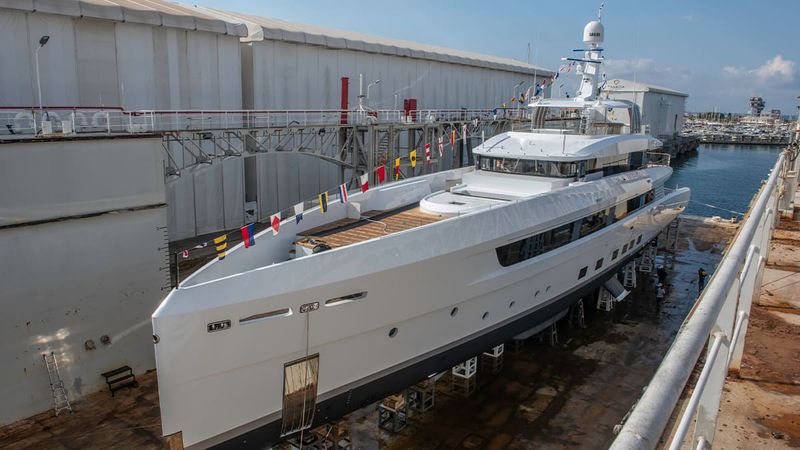
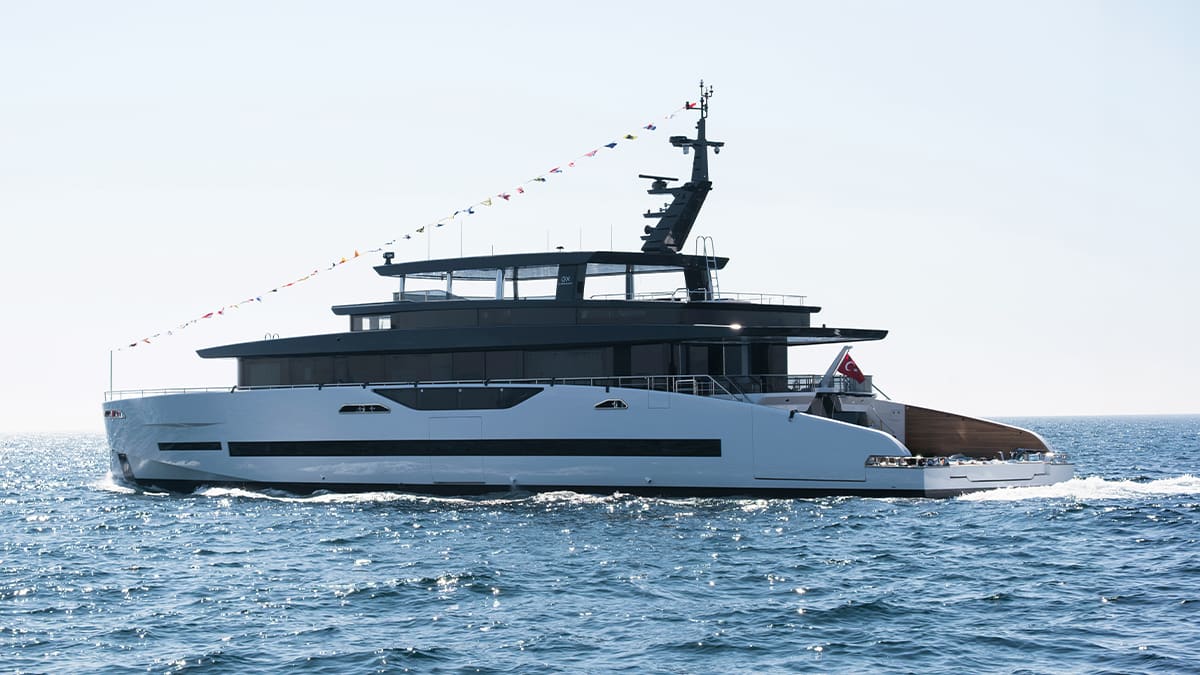
The story begins with a 33-foot electric vessel and a monarch's interest. When Prince Albert II of Monaco encountered a compact electric cruiser from Greenline Yachts, the meeting sparked something larger than admiration: it prompted the shipyard's founders to consider what their sustainable engineering could achieve at superyacht scale. Two years later, GX Superyachts emerged as a dedicated marque, and this week its first model, the GX40, launched from a Turkish yard.
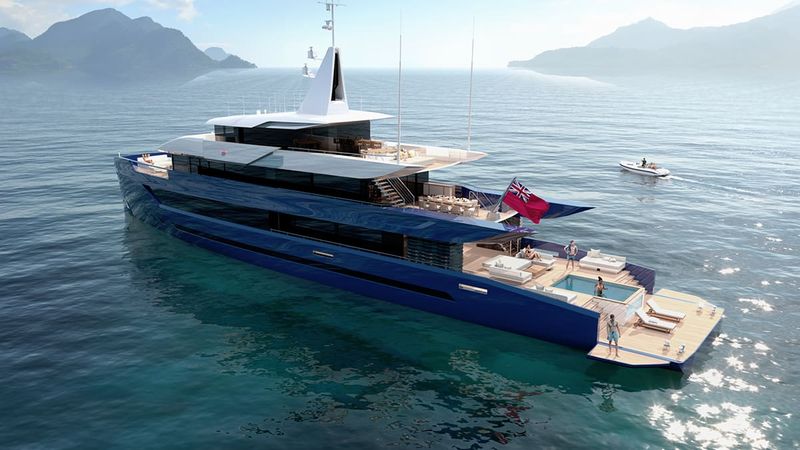
At 138 feet, the flagship is designed to sit at anchor for two full days without a whisper of emissions. That silence is not incidental. It reflects a propulsion architecture built around a diesel-electric hybrid system paired with a high-capacity lithium battery bank and integrated solar arrays. Together, these elements reduce onboard electricity consumption by up to 45 percent, according to GX Superyachts. The result is a vessel that can linger in protected bays or coastal anchorages without the hum of generators, without the faint scent of diesel exhaust drifting over the swim platform.
Italian Restraint Meets Green Engineering
The exterior and interior design were entrusted to Italian designer Marco Casali, whose work favors clean geometry and natural materials over ornament. The GX40's lines are smooth and uninterrupted, the kind of silhouette that reads as contemporary without announcing a specific decade. Inside, you find timber, stone, and textiles that age gracefully rather than date quickly.
A fold-out beach club extends the living space to water level, while the flybridge offers elevated sightlines and open-air lounging. The layout prioritizes circulation and light, with sight lines that connect interior volumes to the sea beyond. This is not a vessel that hides its relationship to the water; it frames it.
The Argument for Tranquility
Maurizio Magri, chief operating officer at GX Superyachts, positions the GX40 as more than a technical achievement. "Ultimately, this is about more than technology; it is about well-being," he noted. "The GX40 has been designed around the way people want to feel on board - with greater tranquility, improved comfort, and a deeper connection with the sea."
That language - tranquility, balance, connection - signals a shift in how luxury yachting is being framed. Where earlier generations of superyachts emphasized speed, volume, or sheer spectacle, the GX40 argues for a quieter set of values. The absence of engine noise at anchor is not merely an environmental benefit; it is a sensory one. The vessel becomes a platform for listening to waves, for noticing the quality of light at different hours, for experiencing the sea as something other than backdrop.
A Range That Scales the Vision
GX Superyachts is planning a series of models spanning 78 to 164 feet, all sharing the hybrid propulsion philosophy. The brand's roots in Greenline Yachts - a builder known for smaller, eco-conscious cruisers - suggest that the technical know-how has been tested and refined at a more accessible scale before being applied to superyacht dimensions.
The GX40 is configured for long-range cruising, meaning the battery capacity and fuel reserves are calibrated for extended passages, not just coastal day trips. This is a vessel intended to move between archipelagos, to spend weeks away from marinas, to anchor in remote coves where the absence of emissions is not a marketing claim but a practical courtesy to the surrounding ecosystem.
A Debut in Monaco
The GX40 will make its formal debut at the Monaco Yacht Show, beginning September 23. The choice of venue is deliberate. Monaco has positioned itself as a hub for sustainable yachting initiatives, from the Prince's own environmental foundation to the Yacht Club de Monaco's programs supporting cleaner propulsion. Launching the GX40 there places the vessel within a broader conversation about the future of the industry, one that includes electric tenders, hybrid propulsion, and eventually, hydrogen fuel cells.
The Monaco show is also where GX Superyachts first unveiled its ambitions in 2024, shortly after the brand was founded. Returning two years later with a completed flagship suggests a timeline that moved from concept to water faster than is typical for a new shipyard. That speed may reflect the technical foundation inherited from Greenline, as well as the decision to work with established Italian designers and Turkish yards rather than building entirely new infrastructure.
What Silence Affords
The most significant feature of the GX40 may be what it removes rather than what it adds. Forty-eight hours of emissions-free operation at anchor means no need to run generators for air conditioning, refrigeration, or lighting. It means the vessel can comply with stricter environmental regulations in marine protected areas without sacrificing comfort. It means guests can sleep with windows open, without the vibration and noise of diesel engines cycling on and off through the night.
This is not a zero-emissions vessel in absolute terms. The hybrid system still relies on diesel for propulsion underway, and the batteries require charging, either from the engines or from shore power. But the GX40 represents a pragmatic step within the constraints of current marine technology. Fully electric propulsion at this scale remains limited by battery weight and charging infrastructure. Hybrid systems, by contrast, offer operational flexibility while reducing emissions where they are most intrusive: at anchor, in harbors, in ecologically sensitive zones.
The Context for Responsible Luxury
The launch of the GX40 arrives amid growing scrutiny of superyacht environmental impact. European ports have begun imposing emissions limits and noise restrictions. Charter clients increasingly ask about a vessel's sustainability credentials. Shipyards are investing in cleaner propulsion, not only to meet regulations but to appeal to owners who see environmental responsibility as part of their public identity.
GX Superyachts is positioning itself within that shift, offering a product that allows owners to participate in sustainable yachting without sacrificing range, comfort, or aesthetic refinement. The brand's messaging emphasizes well-being and connection, framing the GX40 as a vessel that enhances rather than diminishes the cruising experience through its environmental choices.
Whether this approach will scale beyond a niche market remains to be seen. Hybrid propulsion adds complexity and cost. The lithium battery banks require specialized maintenance. Solar arrays, while helpful, contribute a relatively small percentage of total power demand on a vessel this size. Yet the GX40 demonstrates that sustainable yachting is no longer limited to day boats and coastal cruisers. It is entering the superyacht sector, bringing with it a different set of priorities and a quieter way of moving through the water.