
Where Waves Meet Wanderlust: Beach Villages That Linger in Memory
From volcanic black sand to barrier islands shaped by tides, the shorelines that continue to draw us back are those where beauty and stillness coexist in perfect measure.
SI
18 Jun 2026 · 5 MIN READ · UPDATED 17 AUG 2026
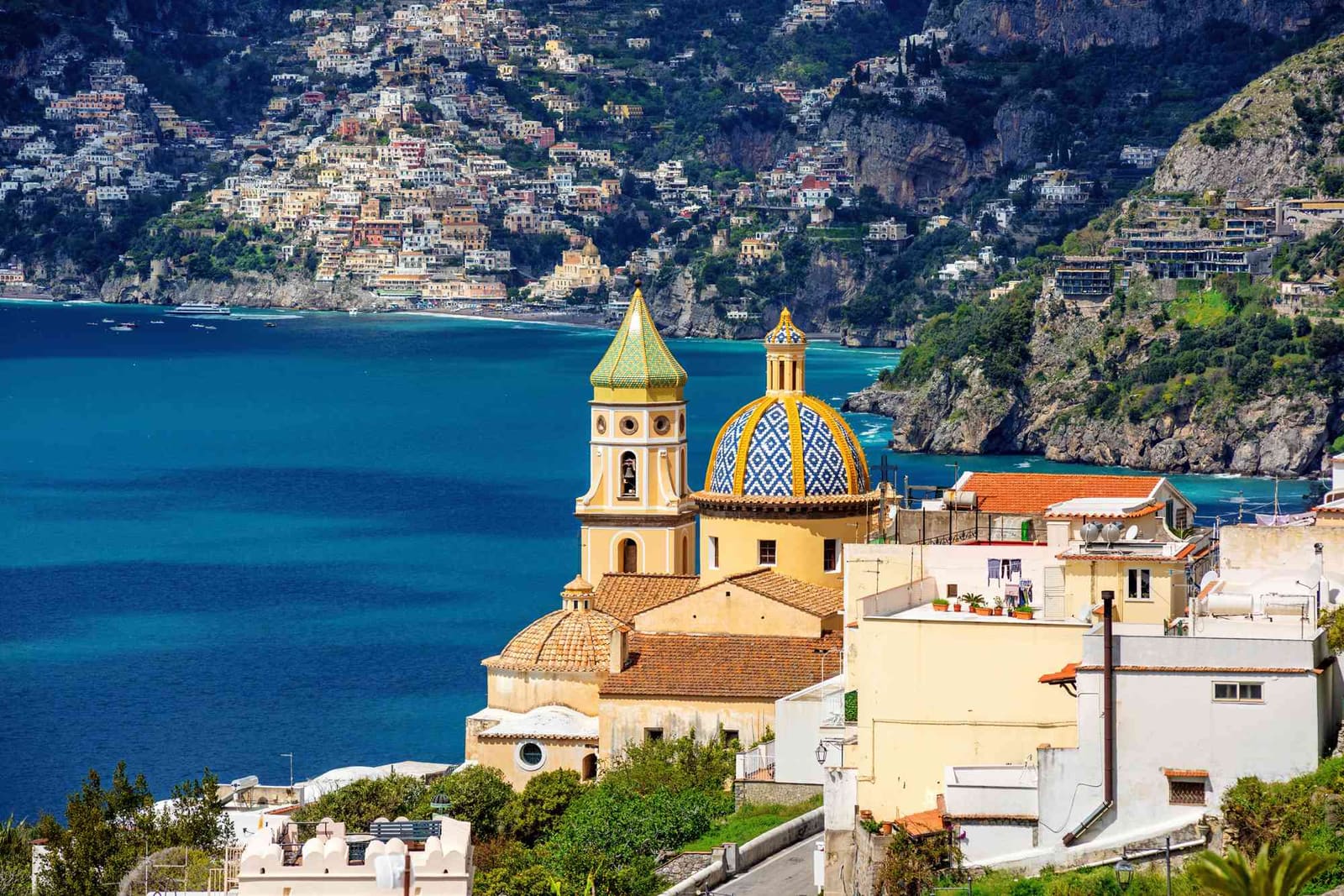
The Quality of Light on Water
There is a particular stillness that settles over certain beach towns at dusk - not the manufactured quiet of resort complexes, but something older, woven into the grain of wooden piers and the arrangement of fishing boats in harbors. At Global Chic Voyage, we have spent years returning to these places, watching how they resist or accommodate change, how they hold their character against the tide of seasonal arrivals. The most compelling coastal villages are not simply backdrops for vacation photography; they are places where rhythm slows, where architecture answers to wind and salt, and where the line between visitor and inhabitant begins to blur.
What distinguishes a beautiful beach town from a merely picturesque one is harder to quantify than a list of amenities might suggest. It has to do with proportion - the relationship between built environment and natural landscape, between the pace of daily life and the pull of the ocean. It resides in the quality of light on water at particular hours, in the presence or absence of crowds, in whether a place feels discovered or preserved. The villages we return to year after year tend to share certain qualities: a legible history in their streetscapes, a local economy that predates tourism, and a topography that limits rather than invites sprawl.
Barrier Islands and the Architecture of Impermanence
The Outer Banks of North Carolina offer a study in how coastal settlements negotiate with the sea. These narrow ribbons of sand shift and reshape with every hurricane season, and the towns that endure here do so with a kind of pragmatic humility. Wooden houses on stilts, unpainted shingles weathered to gray, maritime forests stunted by salt spray - the aesthetic is one of impermanence acknowledged rather than denied. There is no pretense of permanence in the architecture, no attempt to impose grand gestures on a landscape that refuses them.
This acceptance of transience creates a particular atmosphere. The villages here - small clusters of cottages and general stores, lighthouses standing as navigational punctuation - feel provisional in the best sense. They are places where people come not to conquer the beach but to coexist with it, to watch weather systems move across open water, to understand that beauty and vulnerability are often inseparable. The rhythm of life follows tides rather than clocks, and the best moments are those spent on porches at twilight, watching the light drain from the sky.
Volcanic Shores and the Color of Sand
Japan's Izu Peninsula presents an entirely different coastal vocabulary. Here, the beaches are often dark - black or charcoal gray, the sand ground from volcanic rock over millennia. The villages that line these shores have a compactness and order that feels distinctly Japanese: ryokan inns with sliding paper screens, onsen baths fed by geothermal springs, narrow lanes where bicycles lean against wooden fences. The aesthetic is one of restraint, of careful attention to detail, of spaces designed for contemplation rather than spectacle.
What makes these towns compelling is the way they integrate multiple layers of experience. A morning might begin with a soak in an outdoor bath overlooking the Pacific, the water hot enough to steam in cool air, the horizon empty except for the occasional fishing boat. By afternoon, you are walking through pine groves to a shrine, the path lined with stone lanterns, the sound of waves constant but never intrusive. Evening brings kaiseki meals served in private rooms, each dish a small composition of seasonal ingredients, the presentation as important as the flavor. The beach is always present, but it is one element in a larger choreography of place.
The volcanic geology also shapes the coastline in dramatic ways - sea cliffs carved into caves, rock formations rising from shallow water, natural harbors protected by headlands. These are not beaches for long stretches of sand and beach umbrellas; they are places where the meeting of land and sea feels more dynamic, more geological, more aware of deep time.
The Mediterranean Template and Its Variations
The beach towns of the Mediterranean have become so iconic that they risk feeling like clichés - whitewashed houses cascading down hillsides, blue-domed churches, narrow streets paved with stone. Yet the best of these places still reward attention. What distinguishes them is not the postcard view but the quality of daily life that persists beneath the tourist surface: fishermen mending nets in early morning, markets selling produce from hillside terraces, elderly residents sitting in doorways watching the world pass.
The architecture here has been refined over centuries to respond to climate - thick walls for insulation, small windows to keep interiors cool, rooftops designed to catch and channel rainwater. The towns are built vertically rather than horizontally, preserving agricultural land and creating natural viewpoints. The palette is limited - white plaster, blue trim, terracotta tiles - but within that constraint there is enormous variation in detail, in the curve of a staircase or the placement of a balcony.
What we have learned from repeated visits is that these towns are best experienced early or late in the season, when the cruise ships have not yet arrived or have already departed. In May or October, the light is softer, the restaurants are cooking for locals rather than tourists, and the rhythm of the place becomes legible again. You begin to notice things: the way laundry dries on lines strung between buildings, the sound of church bells marking hours, the particular blue of the sea against white stone.
Tropical Coasts and the Question of Sustainability
The beach towns of Southeast Asia and the Caribbean present a more complicated picture. Many of the most beautiful have been transformed almost beyond recognition by tourism, their original character submerged beneath layers of resort development. Yet there are still places that have managed to maintain some balance, where local culture remains visible and where growth has been managed rather than unchecked.
What these places often share is a combination of strong community governance and geographic constraints that limit expansion. Islands too small for airports, coastlines protected by national park status, villages where land ownership has remained largely local - these factors help preserve character even as visitor numbers increase. The best examples are those where tourism has been integrated into existing economies rather than replacing them entirely, where fishing and agriculture continue alongside hospitality, where the built environment reflects local materials and building traditions rather than imported resort templates.
The challenge, of course, is that the very qualities that make these places appealing also make them vulnerable. Clear water, coral reefs, undeveloped beaches - these are finite resources that degrade under pressure. The beach towns that will remain beautiful in coming decades are likely to be those that have implemented meaningful limits on development, that have invested in infrastructure for waste and water management, and that have found ways to distribute tourism revenue broadly rather than concentrating it in the hands of outside investors.
The Northern European Counter-Narrative
Not all compelling beach towns fit the warm-water, palm-tree template. The coastal villages of Scandinavia, Scotland, and Ireland offer a different aesthetic entirely - one built around granite and slate, around harbors designed for working boats rather than pleasure craft, around light that is cool and changeable. These are places where beauty is harder-edged, less immediately seductive, but no less profound.
The architecture here is about shelter rather than display - stone cottages with small windows, painted wooden houses clustered around protected bays, piers built to withstand winter storms. The palette runs to grays and blues and deep greens, colors that harmonize with sea and sky rather than contrast with them. The beaches are often rocky rather than sandy, the water cold enough to take your breath, the wind constant.
What draws us to these places is precisely their refusal of easy charm. They require more from the visitor - warmer clothing, greater tolerance for weather, a willingness to find beauty in austerity. But the rewards are substantial: walks along dramatic coastlines, seafood pulled from the water that morning, long summer evenings when the light seems to last forever. These are towns where the relationship between humans and the sea feels older, more elemental, less mediated by leisure.
Preservation and the Problem of Authenticity
As we consider the future of beautiful beach towns, the question of authenticity becomes increasingly fraught. Many of the places that once felt genuinely local have become, in effect, open-air museums of themselves - their economies now entirely dependent on tourism, their populations increasingly transient, their character carefully curated for visitors. The fishermen mending nets may now be doing so primarily for the cameras; the markets may stock imported goods alongside local produce; the festivals may have been revived or invented for tourist consumption.
This is not necessarily a condemnation. Economic survival often requires adaptation, and tourism can provide the revenue needed to maintain historic buildings and public spaces that might otherwise deteriorate. The problem arises when the performance of authenticity replaces the thing itself, when a place becomes a theme park version of what it once was. The beach towns that navigate this most successfully are those that have maintained some economic diversity, where local residents still outnumber seasonal visitors, where the infrastructure serves year-round needs rather than just peak-season demand.
The Enduring Appeal of Edges
Perhaps what all of these places share, ultimately, is their position at edges - the literal edge where land meets water, but also the metaphorical edges where different modes of life come into contact. Beach towns have always been liminal spaces, places of arrival and departure, where the built environment negotiates with forces larger than itself. They attract people who are themselves in some sense between states: on vacation, in transition, seeking perspective or renewal.
The most beautiful among them are those that honor both sides of this equation - that provide comfort and amenities for visitors while maintaining their own integrity as places with histories and futures independent of tourism. They are towns where you can sit on a harbor wall at sunset and feel, for a moment, that you understand something essential about the relationship between stillness and motion, between the human need for shelter and the oceanic pull toward horizon. They are, in the best sense, places that remind us why we travel: not simply to see new scenery, but to experience different ways of inhabiting the world, different rhythms of daily life, different relationships with the landscapes we move through.
Spot something wrong? Email editors@globalchicvoyage.com. We log every correction publicly.
RELATED
SEE ALL →
14 Jul 2026 / 5 min
18 Jul 2026 / 5 min
10 Jul 2026 / 5 min
23 Jun 2026 / 5 min