
Where Gray-Shingled Elegance Meets 82 Miles of Open Atlantic
Nantucket's recognition as one of America's finest islands isn't news to those who know the rhythm of its cobblestone streets - but the quiet reasons behind its enduring appeal deserve a closer look.
CG
9 Jul 2026 · 5 MIN READ · UPDATED 17 AUG 2026
An Island That Refuses to Hurry
There is a particular quality to the light on Nantucket in late afternoon - the way it slants across weathered shingles and catches the salt haze rolling in from Madaket. It's the kind of light that makes you slow down, that reminds you the island operates on its own clock, one set not by ferry schedules but by tides and the long memory of whaling captains who once called this place home.
Nantucket has recently been recognized as one of the finest islands in the United States, a distinction that might surprise mainlanders but barely registers with the summer families who've been returning here for generations. The island's 82 miles of coastline - a figure that sounds modest until you start walking it - comprises everything from the gentle harbor beaches where children hunt hermit crabs to the wild, dune-backed stretches on the eastern shore where the Atlantic arrives with no ceremony and little mercy.
At Global Chic Voyage, we've watched Nantucket navigate the delicate balance between preservation and relevance, between honoring its Quaker-built past and welcoming a new wave of travelers who seek something quieter than the Hamptons, more rooted than Martha's Vineyard. What we find most compelling isn't the accolade itself but what it reflects: a growing appetite for destinations that have refused to reinvent themselves every season, that trust their own story enough to let it unfold slowly.
The Architecture of Restraint
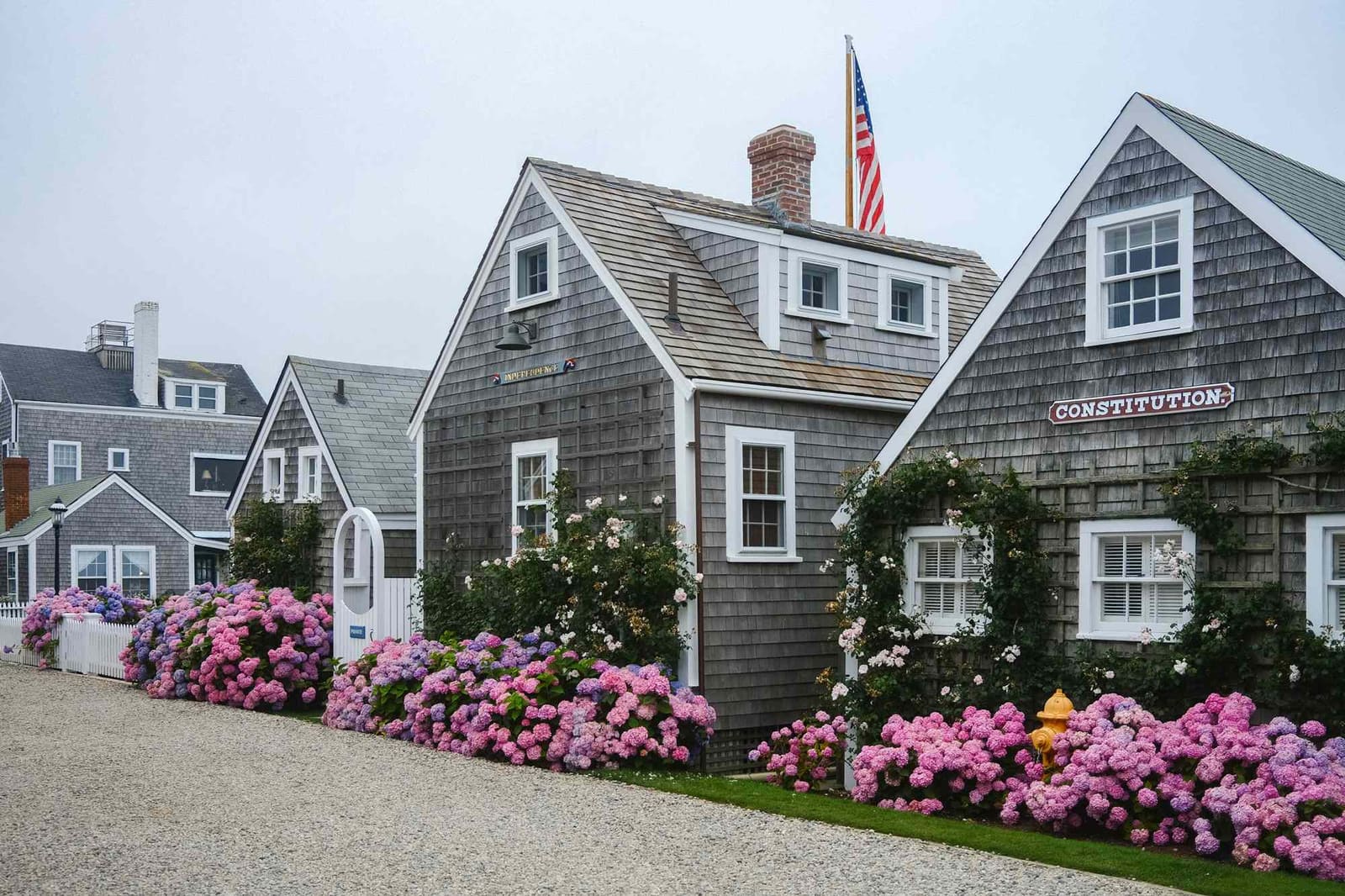
Walk through the historic district - one of the finest concentrations of pre-Civil War architecture in America - and you begin to understand the island's aesthetic philosophy. These gray-shingled homes, their wood silvered by decades of salt air, weren't designed to impress. They were built by ship captains and merchants who understood that true wealth whispers.
The cobblestones on Main Street, ballast stones from returning whaling ships, create a gentle unevenness underfoot that modern urban planners would never permit. But that imperfection is precisely the point. Nantucket's built environment carries the marks of its maritime past not as museum pieces but as living infrastructure. The wharves still creak. The lighthouses still warn. The roses still climb the same trellises they've claimed for a century.
This commitment to preservation - strict zoning laws prohibit structures that deviate from the island's colonial character - means that Nantucket looks remarkably similar to the way it did fifty years ago. In an era of rapid coastal development, that continuity has become its own form of luxury.
Eighty-Two Miles of Negotiation
Nantucket's coastline is not a single experience but a shifting conversation between land and sea. The southern beaches - Surfside, Nobadeer, Cisco - face open ocean and draw surfers and solitude-seekers. The northern shore, protected by the harbor, offers calmer waters where families wade and sailboats tack lazily in the afternoon breeze.
Then there are the hidden stretches: the wild eastern beaches accessible only by four-wheel drive, where piping plovers nest and the sand seems to stretch uninterrupted toward Portugal. Coatue, a narrow barrier beach that curls around the harbor's northern edge, offers a landscape so spare and windswept it could pass for the Outer Hebrides.
We've noticed that the most seasoned Nantucket visitors don't chase the famous beaches. They find their own stretch of sand - often unnamed, reached by a sandy path through beach plum and rosa rugosa - and return to it faithfully, learning its moods through the seasons. The island rewards that kind of patient attention.
How to Arrive (and Why the Journey Matters)
Nantucket is accessible only by ferry or small aircraft, a geographical fact that has preserved its character as much as any zoning regulation. The high-speed ferry from Hyannis takes an hour; the traditional ferry, which carries cars, takes over two. Most visitors opt to leave their vehicles on the mainland and explore the island by bicycle, a choice that immediately slows the pace and opens the senses.
The airport receives direct flights from several East Coast cities during summer months, but we'd argue the ferry crossing is part of the experience - that moment when the island's low profile emerges from the horizon, when you begin to smell the salt and feel the temperature drop a few degrees, when you start to shed the urgency of wherever you came from.
Once on island, the town of Nantucket (locals simply call it "Town") is eminently walkable. Beyond that, a network of bike paths connects the island's villages - Siasconset to the east, Madaket to the west - and many of the beaches. Rental bikes are ubiquitous. So are wicker baskets and sun-faded beach towels strapped to handlebars.
Where to Spend Your Hours
Nantucket's appeal isn't concentrated in attractions you tick off a list. It's distributed across small rituals: morning coffee at a harbor-side cafe, an afternoon spent reading in a beach chair positioned just beyond the reach of the waves, an evening walk through the winding streets as the light fades and the hydrangeas glow an improbable blue.
Still, certain experiences anchor a visit. The Whaling Museum offers context for the island's 19th-century prosperity and the global networks that once radiated from this small port. The village of Siasconset - "'Sconset" in local shorthand - with its rose-covered cottages, feels like a village within an island, a place even quieter than the rest.
Cisco Brewers has become a gathering point for a younger crowd, though its outdoor tables and live music maintain a relaxed, communal atmosphere far removed from mainland nightlife. The island's restaurant scene has matured considerably, with chefs drawing on local seafood and produce without the self-conscious farm-to-table declarations that have become de rigueur elsewhere.
The Luxury of Consistency
What distinguishes Nantucket in an era of Instagram-driven travel is its refusal to perform. The island doesn't trend. It doesn't rebrand. It doesn't launch itself anew each season with pop-ups and collaborations. It simply continues - gray shingles weathering a bit more, hydrangeas blooming and fading, ferries arriving and departing on schedule.
That consistency, we'd argue, has become the ultimate luxury. In a world of constant reinvention, there's profound comfort in a place that knows exactly what it is and sees no reason to become something else. Nantucket's recent recognition as one of America's top islands doesn't change the island itself. It merely confirms what its faithful visitors have long understood: that some places earn their reputation not by chasing trends but by honoring the elements - architectural, natural, cultural - that made them distinctive in the first place.
The 82 miles of coastline will still be there next summer, and the summer after that, shaped slightly differently by winter storms but fundamentally unchanged. The cobblestones will still make you slow your step. The light will still slant across those silvered shingles in late afternoon. And if you time it right, you'll find yourself on a quiet stretch of beach at sunset, watching the day end over the Atlantic, grateful for a place that refuses to hurry.
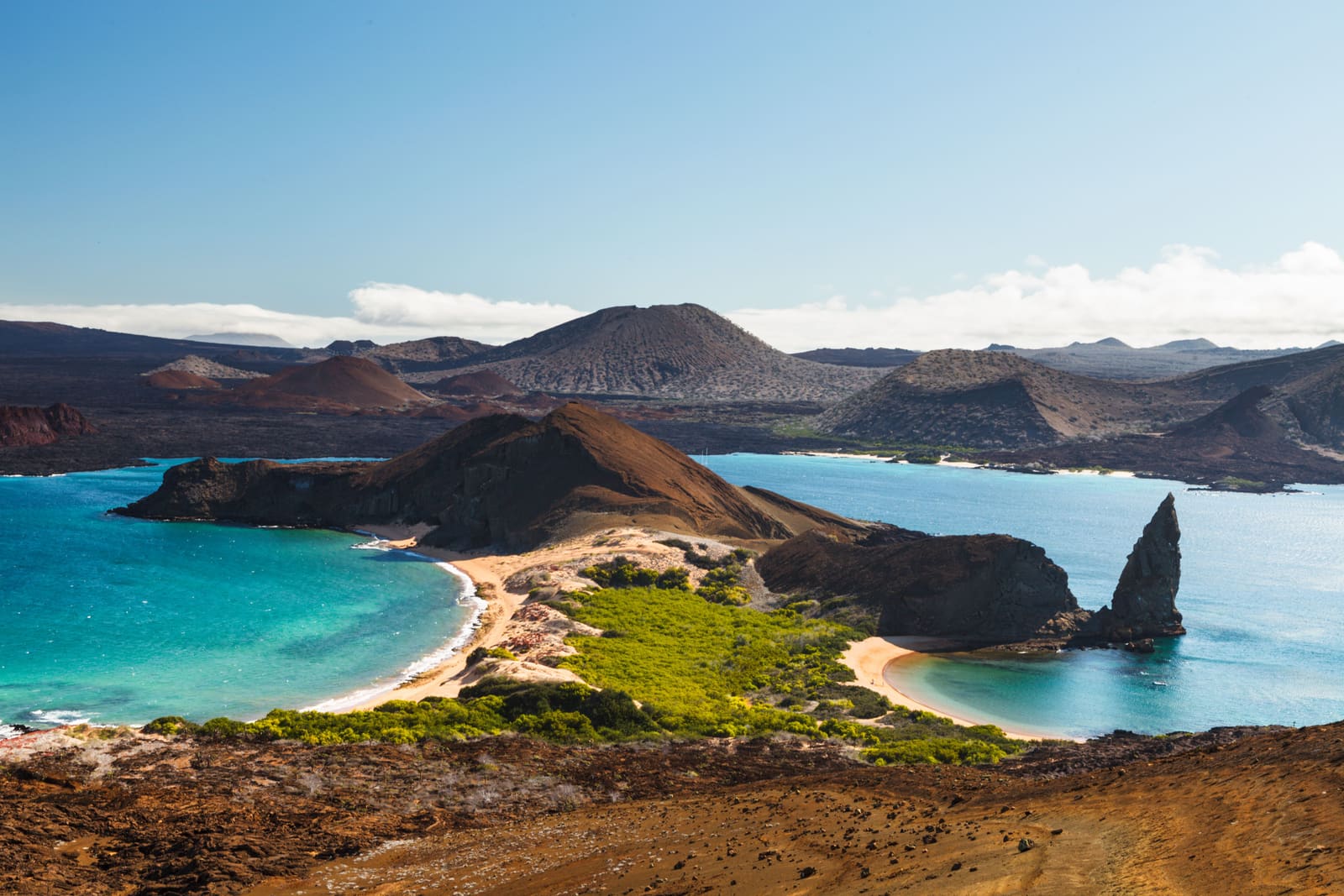
Photo: Violetta Smirnova / Travel + Leisure
Spot something wrong? Email editors@globalchicvoyage.com. We log every correction publicly.
RELATED
SEE ALL →
27 Jul 2026 / 5 min
27 Jul 2026 / 5 min
27 Jul 2026 / 5 min
15 Jul 2026 / 5 min