
The Stone Village Where Basilicata Meets the Tyrrhenian Sea
Maratea rises from the Italian coast with the quiet confidence of a place that has never needed to announce itself - and still doesn't.
SI
3 Jul 2026 · 5 MIN READ · UPDATED 17 AUG 2026
A Geography of Solitude
There is a particular quality to the light in Maratea, the way it falls across pale stone facades in the early morning and pools in the shadowed alleyways by noon. The town occupies a rare stretch of Italy's southern coast - Basilicata's only window onto the Tyrrhenian Sea - and that geographical accident has kept it insulated from the tidal patterns of mass tourism that reshape so many Mediterranean destinations each summer.
At Global Chic Voyage, we've watched Italy's coastal villages divide into two camps: those that have surrendered to their own popularity, and those that remain stubbornly, magnificently themselves. Maratea sits firmly in the latter category, not through any campaign of exclusivity but through the simple arithmetic of access and awareness. The region has no major airport within easy reach, no cruise port to disgorge thousands at a time, no Instagrammable moment that has yet gone viral enough to rewrite its rhythms.
Vertical Architecture and the Logic of Defense
The old town climbs. This is the first thing you notice as you approach - the way the historic center seems to pour upward from the harbor, houses stacked and compressed against the mountainside in that distinctively Italian negotiation between human ambition and topography. The architecture here speaks the language of medieval defense: narrow passages that once slowed invaders now simply slow time, stone staircases worn smooth by centuries of footfall, small piazzas that open suddenly like exhaled breaths.
The Cristo Redentore - a twenty-one-meter marble statue overlooking the town - was erected in 1965, but its presence feels older, as if it has always watched over this coastline. From its vantage point on Monte San Biagio, the view encompasses the full sweep of the Gulf of Policastro: forty-four beaches, some sand, some stone, most empty even in high season. The statue is not Maratea's defining feature so much as a marker of the town's relationship with verticality and vista, its insistence on building upward to claim the horizon.
The Cuisine of Scarcity and Sea
Basilicata's food culture has always been shaped by what the region lacks. Landlocked for most of its territory, without the agricultural abundance of Campania to the north or Puglia to the east, the cuisine here developed around preservation, ingenuity, and the occasional windfall of the sea. Maratea represents the exception - the place where Basilicata finally touches salt water - and its kitchens reflect that duality.
The local dish is often a study in contrasts: dried peperoni cruschi (crisp peppers that shatter like glass) alongside fresh anchovies, mountain cheeses paired with sea urchin, bread made from stone-ground flour soaked in seafood broths. The restaurants we've returned to in Maratea - small, family-operated, indifferent to trends - practice a kind of culinary archaeology, serving dishes that have survived not because they were written down but because they were repeated, generation to generation, until they became invisible infrastructure.
There is something honest in this approach, a refusal to perform tradition as spectacle. The food is not explained at length or presented with flourish; it simply arrives, rooted in the logic of what grows here, what swims here, what has always been done.
The Pattern of Discovery
Maratea's relative obscurity is not accidental, nor is it permanent. The hotels we've watched open in recent years - small properties, carefully restored, managed by Italians who left careers in Milan or Rome to return - suggest a town at the early edge of rediscovery. These are not the luxury chains that homogenize coastlines but independent ventures that understand the assignment: preserve the character, accommodate the comfort, resist the urge to announce.
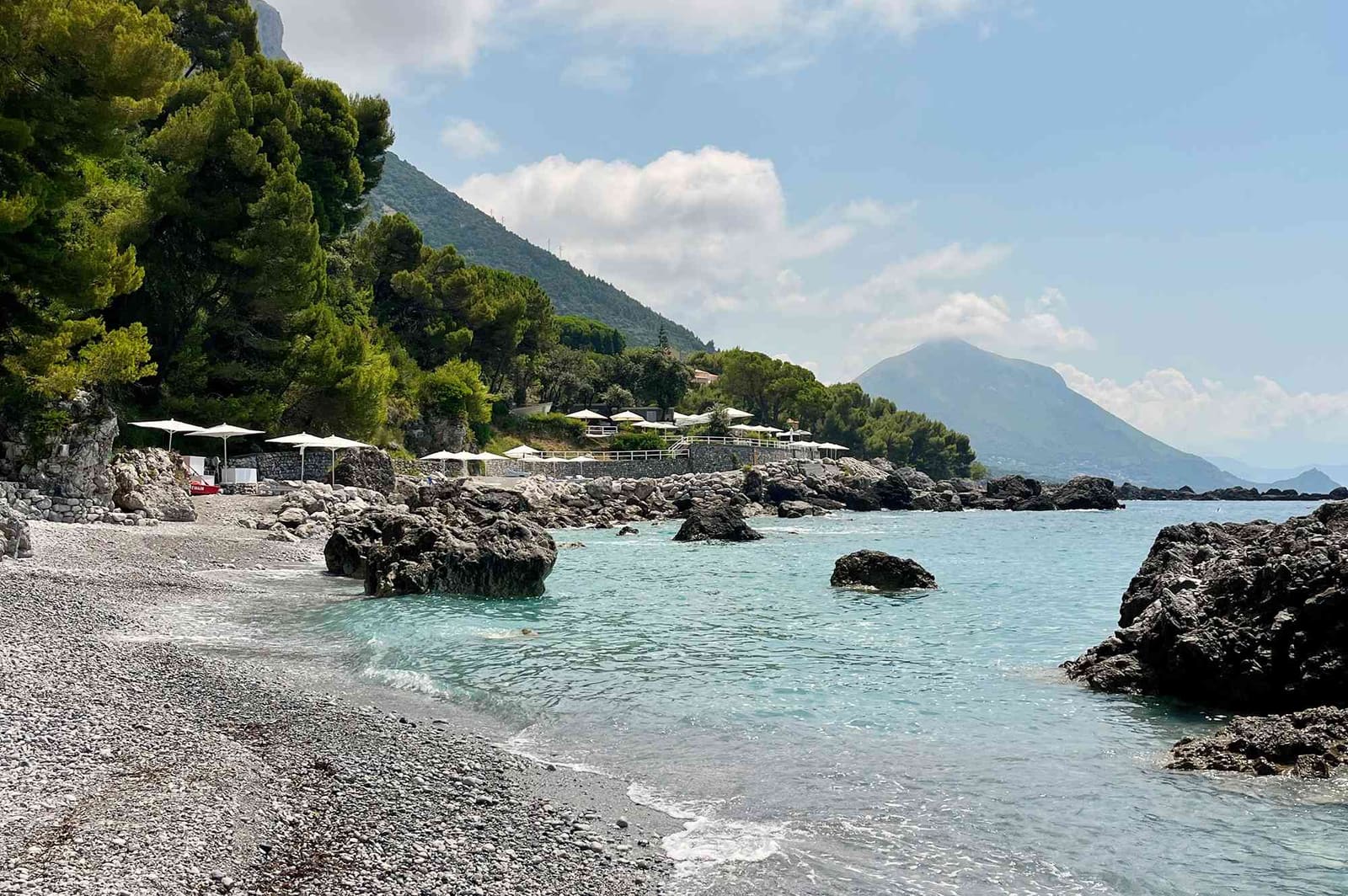
The beaches remain the town's primary draw, though "beach" here is a loose term. Some are accessible only by boat, others require a descent down staircases that feel more like pilgrimages. The water is absurdly clear, the kind of transparency that makes depth difficult to judge, and the coves are small enough that privacy feels like the default condition rather than a premium amenity.
We've noticed a pattern in the travelers who find their way here: they tend to be Italian, or French, or German - Europeans who have done their time in Positano and Capri and are now looking for the next chapter, the place that hasn't yet been written into every guidebook and airline magazine. They are joined by a smaller cohort of Americans and Australians, usually on second or third trips to Italy, who have learned to distrust the obvious and trust the obscure.
The Economics of Remaining Small
There is a tension in places like Maratea, a question that hovers unspoken: how much discovery is too much? The town's economy has long been modest, sustained by fishing, small-scale agriculture, and the quiet business of simply existing. Tourism offers an alternative, a way to retain population and restore crumbling palazzi, but only if it arrives at a manageable scale and speed.
So far, Maratea has managed that balance, though the factors that have protected it - difficult access, limited accommodation, regional obscurity - are not permanent shields. Infrastructure improves, social media spreads, and the appetite for "undiscovered Italy" grows precisely because so much of Italy has already been discovered.
What remains to be seen is whether the town can engineer its own version of sustainable tourism, the kind that values return visitors over first-timers, that measures success in longevity rather than volume. The early signs are promising: strict building codes, resistance to chain hotels, a local culture that has not yet learned to perform itself for outsiders.
Why We Keep Returning
At Global Chic Voyage, we measure destinations not by what they offer in a single visit but by whether they justify a second, and a third. Maratea passes that test. It is one of those rare places where beauty is structural rather than ornamental, where the experience of being there feels more valuable than the photographs you take while there.
The town does not reveal itself quickly. It requires walks without destination, meals that stretch across hours, mornings spent watching fishing boats return to harbor. It rewards the traveler who has learned to distinguish between seeing and witnessing, who understands that the best travel is often the least eventful, measured not in attractions checked off but in rhythms absorbed.
In an Italy increasingly divided between the overcrowded and the overlooked, Maratea occupies a third category: the known but not yet overknown, the accessible but not yet accessible to everyone. How long it remains in that category is an open question, one that will be answered not by guidebooks but by the choices the town makes in the years ahead - and by the kind of travelers who choose to seek it out.
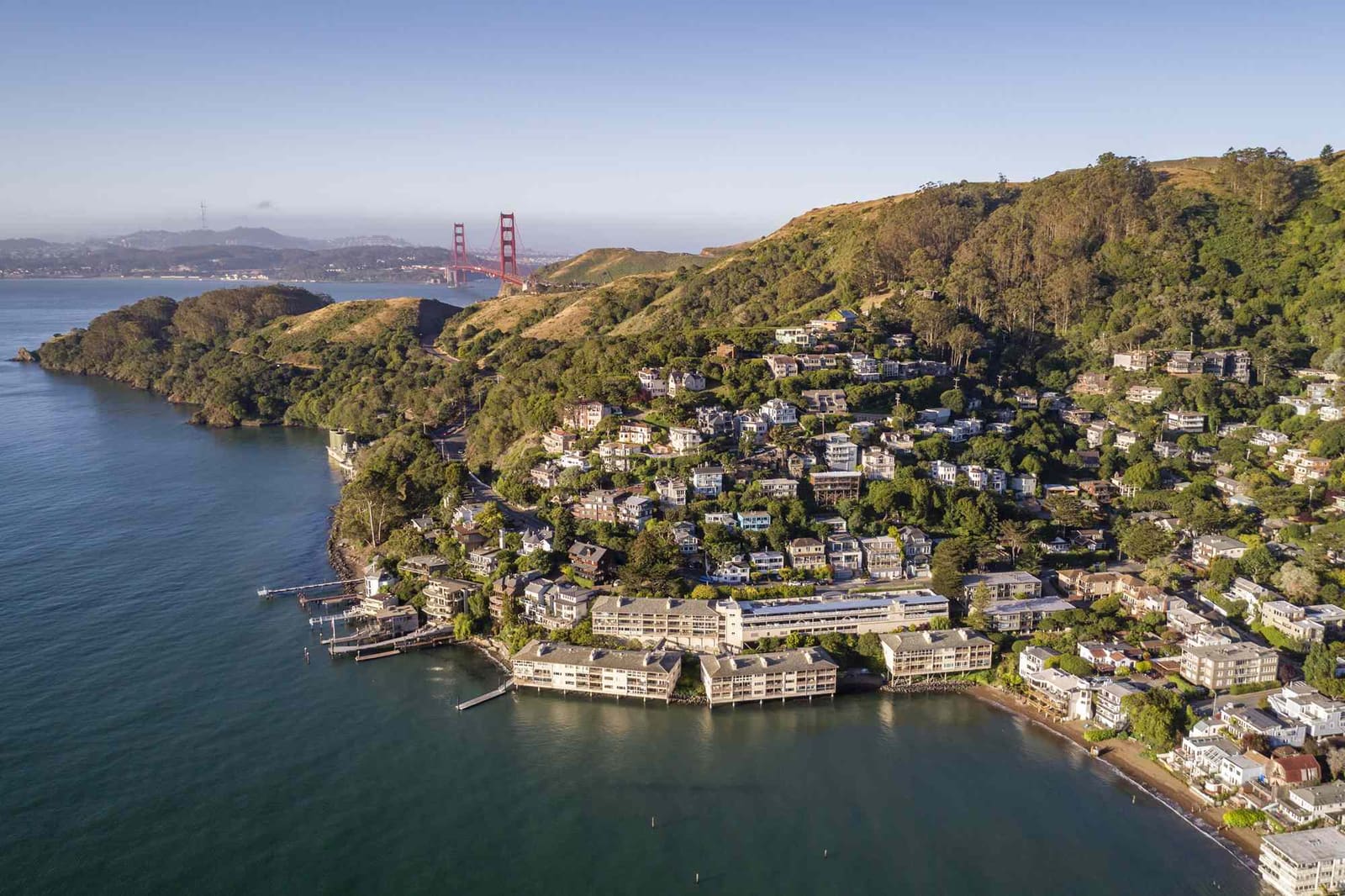
Photo: Laura Itzkowitz / Travel + Leisure
Spot something wrong? Email editors@globalchicvoyage.com. We log every correction publicly.
RELATED
SEE ALL →
7 Jul 2026 / 5 min
16 Jun 2026 / 5 min
8 Aug 2026 / 5 min
7 Aug 2026 / 5 min