
The Rise Of Low-stimulation Interiors In Hospitality Design
c
IM
20 Feb 2026 · 5 MIN READ · UPDATED 17 AUG 2026
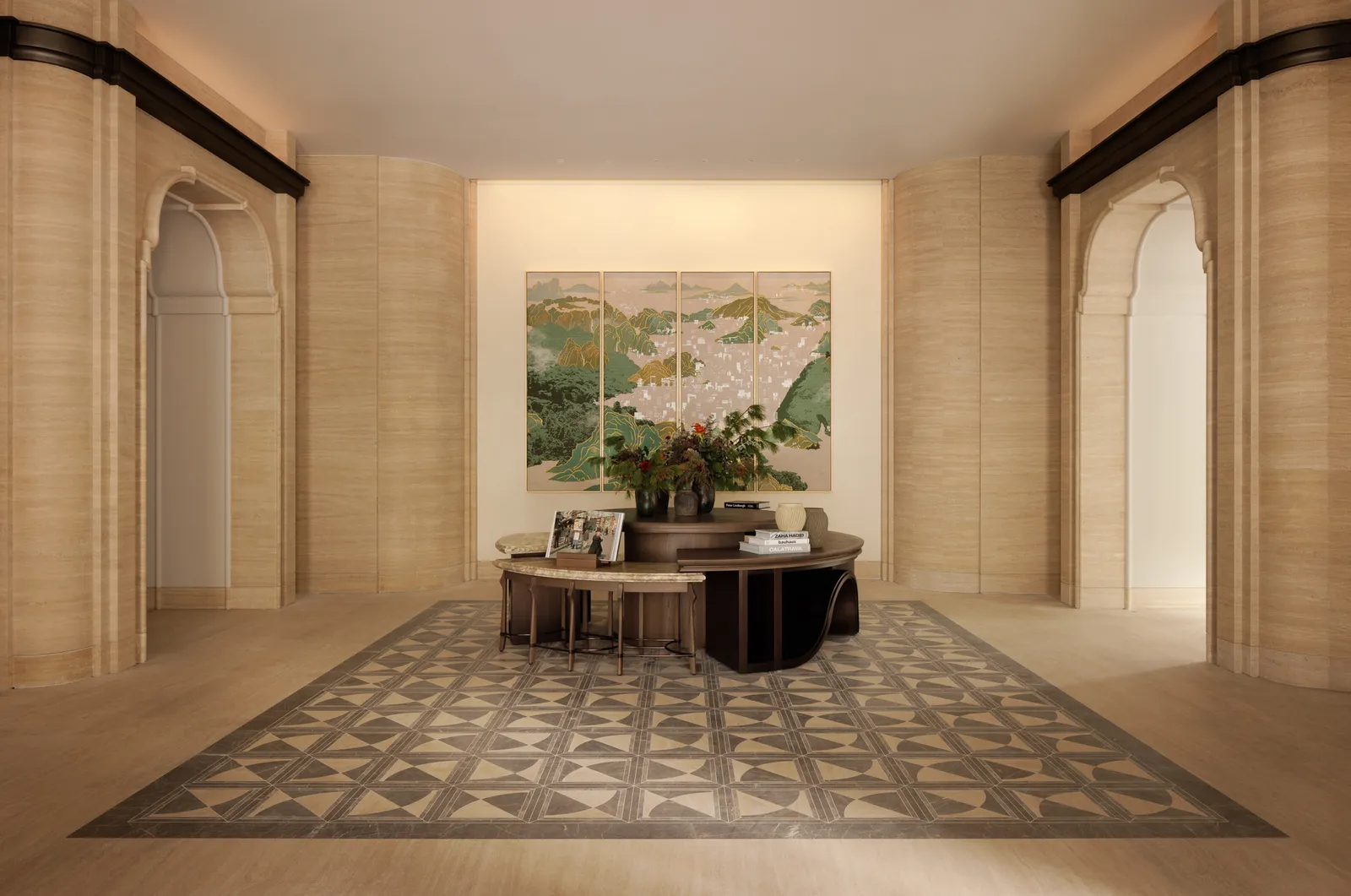
In an era marked by constant digital bombardment and sensory overload, hospitality design is undergoing a quiet but profound shift. The latest wave of interior aesthetics isn’t about grabbing attention, it’s about cultivating calm. From serene palettes to acoustically comfortable environments and sensory-soft design strategies, hospitality spaces are embracing low-stimulation interiors that soothe rather than overwhelm. This movement is redefining what it means to feel “luxury” in a hotel, restaurant, or lounge - shifting from visual spectacle to emotional resonance and sensory wellbeing.
Calm Palettes: The New Chromatic Luxury
A defining characteristic of low-stimulation interiors is their restrained color language. Instead of high-contrast or vibrant décor, designers are opting for muted, nature-inspired tones - soft earth hues, mineral greens, sandy taupes, and desaturated blues - chosen for their psychological effect on mood and perception. These palettes slow visual processing, gently lowering cognitive load the moment a guest enters a space.
This “quiet luxury” approach is often paired with tactile materials - limewashed walls, honed stone, brushed oak - that absorb light rather than reflect it harshly. The result feels less like a showroom and more like a refuge: sophisticated, but never shouty.
Acoustic Comfort: Designing for the Ears
Visual calm is just one part of the equation. Increasingly, designers recognize that sound profoundly influences guest comfort. Thoughtful hospitality projects are now integrating acoustic solutions that reduce reverberation and soften ambient noise: upholstered wall panels, acoustic plaster ceilings, ribbed wood partitions, and fabric-wrapped banquettes that double as sound buffers.
Hotels and restaurants are zoning spaces more intentionally, too - creating quieter pockets for conversation and decompression, while gently containing livelier social areas. This approach acknowledges a simple truth: luxury today is often defined by the ability to hear yourself think.
Sensory-soft Design: Calm Across All Five Senses
Beyond colors and acoustics, low-stimulation interiors embrace sensory-soft design - environments that engage the senses gently and holistically. Lighting is layered and indirect, replacing glare with warm gradients and shadow play. Textures are matte, brushed, or softly grained, inviting touch without visual noise. Layouts prioritize intuitive flow, reducing the subconscious stress of navigating busy spaces.
Even scent and temperature are being curated with more intention. Subtle botanical notes, neutral ambient aromas, and slightly warmer lighting temperatures help spaces feel emotionally “safe” and restorative. It’s not about removing stimulation altogether, it’s about tuning it to a more human rhythm.
Real-world Examples: Hospitality’s Quiet Revolution
This movement is already shaping some of the most talked-about hospitality projects of the past two years:
Capella Taipei, Taiwan
Opened amid one of Asia’s most energetic urban landscapes, Capella Taipei offers a studied contrast between city intensity and interior calm. Public areas unfold in a sequence of softly lit lounges, stone-lined corridors, and low-contrast material palettes that visually decompress guests as they move through the space. Natural woods, tactile wall finishes, and carefully spaced seating create moments of pause within the architecture, reinforcing the hotel’s role as a sanctuary rather than a spectacle in the urban fabric.


Serene tonal layering and soft materiality create a cocoon of calm within the city’s energetic skyline, offering guests a visual exhale on arrival
Photo Credit: Capella
The Chancery Rosewood, London, UK
The Chancery Rosewood transforms a monumental historic building into an emotionally approachable hospitality environment. Instead of amplifying grandeur, the design tempers scale with layered textiles, warm neutrals, and acoustically softened surfaces that absorb the echo of large volumes. Suites and shared spaces feel cocooned rather than imposing, allowing guests to experience privacy within the city’s diplomatic quarter. The result is an atmosphere that balances heritage gravitas with contemporary expectations of sensory comfort and understated luxury.


Warm neutrals, tactile finishes, and acoustically softened volumes reframe historic grandeur into an atmosphere of contemporary quiet luxury
Photo Credit: Ben Anders
Villa Dubrovnik, Croatia
Perched above the Adriatic, Villa Dubrovnik draws on the regional idea of fjaka - a culturally embraced state of unhurried stillness. Interiors are intentionally pared back, allowing stone textures, filtered daylight, and sea views to do the emotional work. Furnishings sit low and unobtrusive, encouraging guests to linger without visual distraction. The hotel’s design prioritizes contemplation over performance, offering a rare hospitality experience where silence, space, and horizon become central elements of luxury.


Layered stone, pale timber, and low-slung furnishings shape an interior language that frames the Adriatic as living artwork
Photo Credit: Studio Arthur Casas
Patina Osaka, Japan
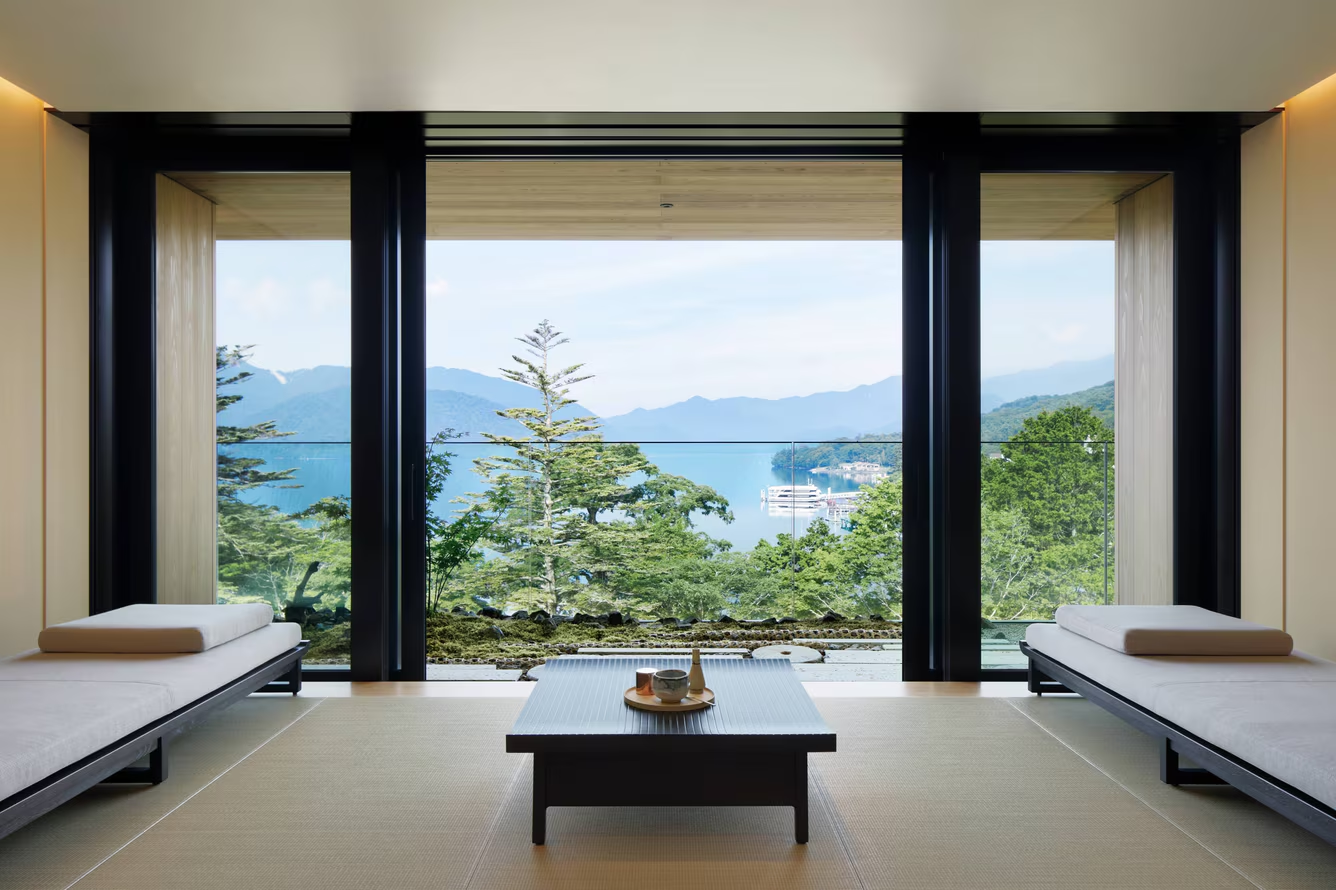
Opened in May 2025 just steps from Osaka Castle Park, Patina Osaka introduces a new philosophy of “transformative luxury” rooted in seasonal awareness and sensory calm. Natural materials, panoramic views, and a muted, nature-toned palette create serene guest rooms that frame greenery and historic skyline beyond. Thoughtfully curated spaces, from the meditative Listening Room and tea lounge to wellness floors and balcony retreats, invite quiet contemplation and mindful connection to place, offering urban respite without visual or sensory excess.


Patina Osaka’s interiors balance Japanese restraint with contemporary softness, pairing timber slatting, woven textures, and tonal stone
Photo Credit: Patina Osaka
Across continents and design languages, these projects share a common goal: to make guests feel unburdened the moment they arrive.
Why This Shift Matters
The rise of low-stimulation interiors in hospitality design speaks to broader cultural shifts: a growing emphasis on mindful travel, wellness, intentional experiences, and human-centered design. Guests today increasingly seek environments that help them disconnect from digital noise and reconnect with themselves, their companions, or the surrounding landscape.
In this context, calm palettes, acoustic comfort, and sensory-soft design aren’t just aesthetic choices, they are affective tools, shaping how people feel rather than just see a space. In doing so, they elevate hospitality design into the realm of emotional architecture: spaces that soothe, restore, and resonate long after a guest checks out.
Spot something wrong? Email editors@globalchicvoyage.com. We log every correction publicly.
RELATED
SEE ALL →
3 Feb 2026 / 5 min
23 Mar 2026 / 5 min
14 Mar 2026 / 5 min
25 Feb 2026 / 5 min