
The Invisible Dress Code of the Croisette
Cannes has never published a style guide, yet everyone who returns from the Côte d'Azur seems to know its rules. We decode the unwritten language of dressing for the Riviera's most watched boulevard.
SI
7 Aug 2026 · 5 MIN READ · UPDATED 17 AUG 2026
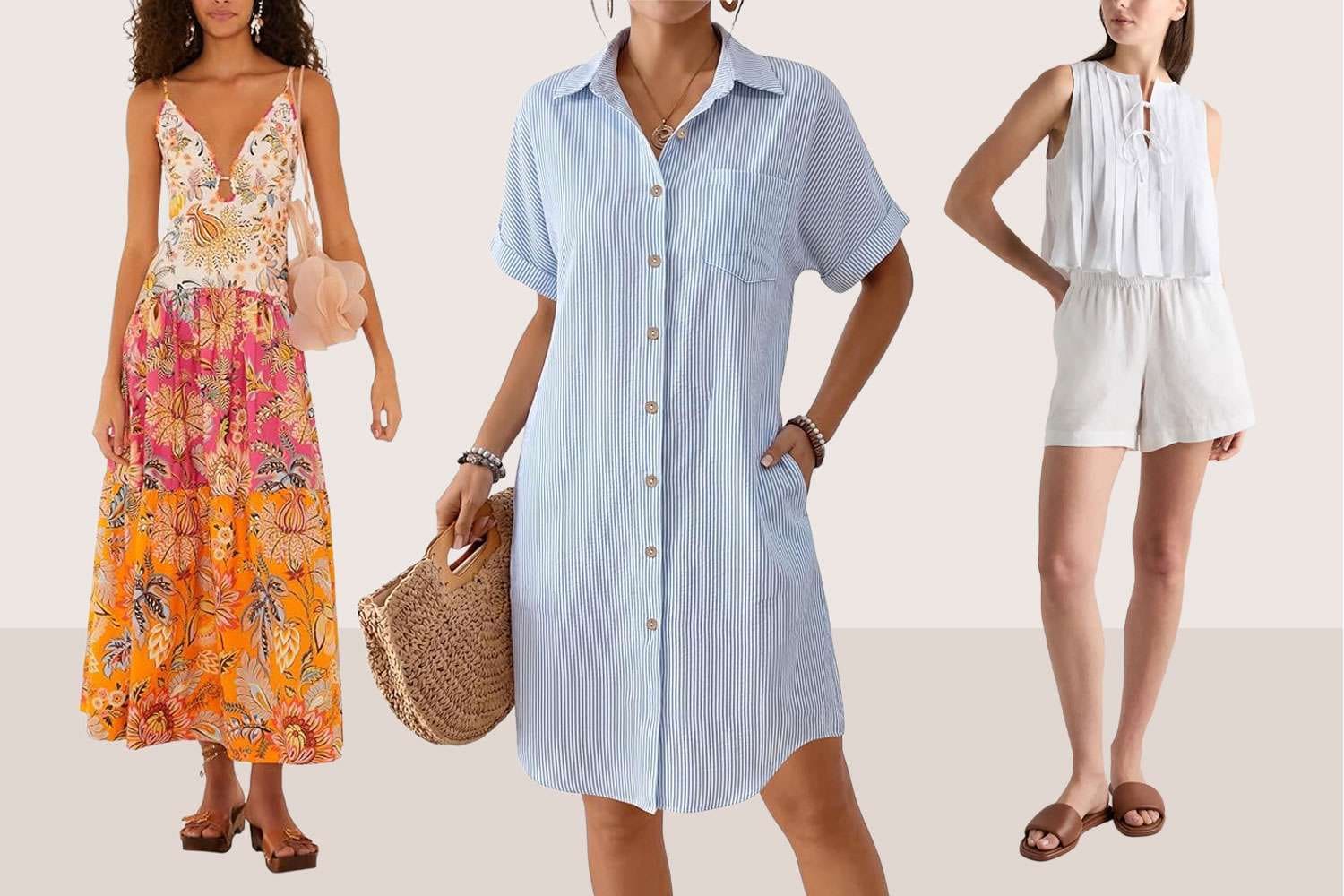
The Theater of the Boulevard
The first time you walk the Croisette, you feel it before you understand it: a quiet hum of judgment, the sense that every café terrace is a panel of silent critics. Cannes does not post dress codes on hotel doors or restaurant entrances. It does not need to. The town operates on a frequency learned through observation, through the small corrections of a maître d's glance or the way a table is offered near the window versus near the kitchen.
At Global Chic Voyage, we have spent years watching how travelers stumble into this invisible choreography, and how the most confident among them seem to move through it as though born to it. The difference, we have come to understand, is not budget or brand name. It is fluency in a language Cannes speaks only through gesture.
The First Rule: Context as Costume
Cannes does not dress for comfort. It dresses for location, for the hour, for the likelihood of being photographed. The town divides itself into stages, each with its own expectations. The promenade in the morning tolerates linen trousers and espadrilles, the kind of studied ease that suggests you have just returned from a yacht but are too elegant to mention it. By evening, the same stretch of pavement demands heels, tailored blazers, dresses that move like water.
The shift is not gradual. It happens at the threshold of sunset, as though someone has thrown a switch. Those who arrive in trainers after seven o'clock are not ejected, but they are read, instantly and without mercy, as outsiders.
What the most seasoned visitors understand is that Cannes rewards those who dress not for themselves but for the architecture of the day. Lunch at a beachside club calls for something that can transition from sand to table without looking apologetic. Dinner at a Michelin-starred kitchen requires the kind of restraint that whispers wealth rather than shouts it. The trick is to make each costume change look unconsidered, as though you always dress this way.
Proportion and the Art of the Silhouette
Cannes is a town of sightlines. The wide boulevards, the long stretches of beach, the terraces elevated just enough to survey the crowd. In this environment, silhouette becomes everything. Oversized shapes that might read as avant-garde in Paris or New York here risk looking unfinished, as though you have borrowed someone else's clothes. The Riviera prefers definition: a fitted waist, a hemline that ends decisively, shoulders that frame rather than swallow.
This is not a call for bodycon uniformity. It is about proportion that photographs well from a distance, that holds its shape in motion. The women we have watched command attention on the Croisette tend toward tailored pieces that skim rather than cling, that suggest the body underneath without outlining it. The men favor suits cut close but not tight, shirts that stay crisp through an afternoon of rosé and negotiation.
There is a reason the town's most iconic looks involve structure: the sharply cut blazer, the A-line dress, the trousers with a crease you could slice bread on. Cannes is a place where you are seen before you are heard, where first impressions are formed across thirty meters of sunlit pavement.
The Palette of Discretion
Cannes has a color theory, though it will never articulate it. The palette leans neutral with punctuation: navy, cream, white, camel, punctuated by a single saturated note. A cobalt sandal. A lipstick the color of blood oranges. The strategy is rooted in the town's self-image as a place of timeless elegance, where fashion is present but never loud.
Prints, when they appear, are geometric or abstract, never literal. Florals are tolerated if they are stylized, if they could pass as art rather than decoration. Animal prints are rare, and when they surface, they are deployed with the precision of a surgical instrument: a belt, a clutch, never an entire ensemble.
The logic is simple. In a town where everyone is trying to look interesting, restraint becomes the most interesting choice. The goal is to be remembered, not for what you wore, but for how you wore it. Color is the exclamation point, not the sentence.
The Shoe Doctrine
If Cannes has a single non-negotiable rule, it is this: your shoes must be impeccable. Not expensive, necessarily, though expense often correlates with the level of finish required. But impeccable. Scuffed leather, worn heels, dusty suede, all of it registers as a kind of moral failing in a town that prides itself on polish.
The terrain itself enforces this. The Croisette is paved, smooth, unforgiving. Heels click audibly, drawing the eye downward. Sneakers, unless they are pristine and clearly chosen rather than defaulted to, mark you as a tourist. The locals favor loafers, low-heeled sandals, espadrilles with spotless canvas. Anything that can carry you from breakfast to midnight without looking like it has made the journey.
We have watched travelers invest in a single perfect pair of shoes for Cannes and build entire wardrobes around them. It is not a bad strategy. The town notices feet.
Accessories as Punctuation
Cannes teaches you to edit. The temptation, especially for first-time visitors, is to layer: the statement necklace and the oversized sunglasses and the stacked bracelets and the designer handbag. The result is visual noise, a look that tries too hard and therefore fails.
The unwritten rule is one anchor piece per outfit. A pair of sculptural earrings or a watch that catches light or a handbag recognizable from across the street. Not all three. The rest should recede, supporting rather than competing. Sunglasses are a given, but they should be classic, the kind that will look correct in photographs ten years from now.
The logic mirrors the town's broader aesthetic: Cannes is not about abundance. It is about the curation of abundance, the suggestion that you could wear more but have chosen not to. Restraint, again, as the ultimate luxury.
The Evening Escalation
After dark, Cannes shifts into a different register. The dress codes at the film festival are famously rigid, black tie and floor-length gowns, but even outside festival season, the town expects an escalation. Bare shoulders appear. Fabrics turn richer - silk, satin, velvet in winter. Jewelry that was too much at lunch becomes exactly right at dinner.
The shift is not about formality, exactly. It is about theater. Cannes at night is a stage, and those who treat it as such - who understand that dinner is a performance, that a walk along the port is an opportunity to be seen - are rewarded with the best tables, the warmest greetings, the sense that they belong.
This is where travelers often miscalculate. They dress for comfort, for practicality, for the long flight home tomorrow. Cannes does not care about your flight. It cares about the impression you leave tonight.
The Unspoken Confidence
What all of this circles back to is confidence, the kind that comes not from wealth but from certainty. Cannes can smell hesitation. It registers in the way you adjust your collar, the way you glance down at your outfit as though seeking reassurance. The people who move most easily through the town's invisible codes are not necessarily the best dressed. They are the ones who have decided their choices are correct and proceeded accordingly.
This is the final, most important rule: Cannes rewards conviction. Wear the thing - whatever the thing is - as though it were inevitable. The town will believe you.
Credit: Travel + Leisure
Spot something wrong? Email editors@globalchicvoyage.com. We log every correction publicly.
RELATED
SEE ALL →
27 Jul 2026 / 5 min

22 Jul 2026 / 5 min
27 Jul 2026 / 5 min

7 Jul 2026 / 5 min