
The Closest Caribbean Secret That Florida Forgot to Mention
Fifty miles from Miami, Bimini unfolds like a different century - one where underwater cathedrals matter more than Instagram, and the day's catch still decides the evening menu.
SI
22 Jun 2026 · 5 MIN READ · UPDATED 17 AUG 2026
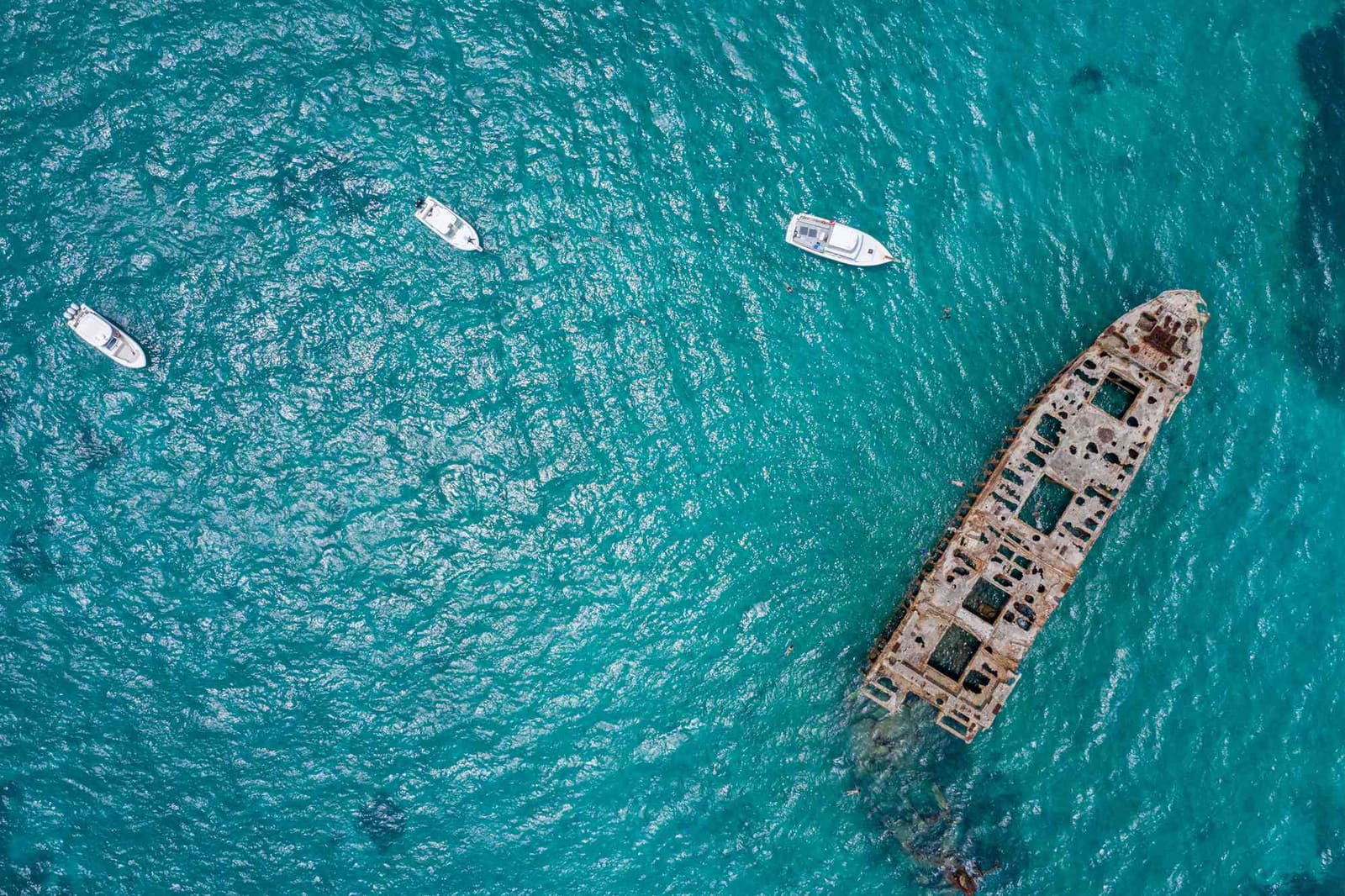
A Geography of Proximity and Distance
There is something quietly radical about a place that sits fifty miles from the coast of Florida yet feels like it belongs to an entirely different hemisphere of time. Bimini - a slender pair of islands barely visible on most Caribbean maps - occupies this curious position: close enough that private planes from Miami land in under thirty minutes, distant enough that the rhythms here remain defiantly unhurried, shaped more by tides and the migration patterns of pelagic fish than by the cruise schedules that govern much of the region.
At Global Chic Voyage, we've watched the Caribbean's smaller islands navigate the tension between accessibility and authenticity for years. Some have surrendered to the former; Bimini, for reasons worth examining, has managed to hold on to the latter. The archipelago's two main islands - North and South Bimini, separated by a narrow channel - stretch just seven miles combined, a scale that has kept development modest and the visitor experience intimate. What draws people here is not the promise of all-inclusive anonymity but something closer to immersion: in water so clear it feels like an optical illusion, in culinary traditions rooted in daily fishing hauls, in accommodations that prioritize the view over the thread count.
Beneath the Surface
The underwater topography around Bimini reads like a catalog of everything serious divers spend their lives chasing. Walls that drop into cobalt oblivion. Wrecks colonized by coral and cruised by grouper the size of small motorcycles. Shark encounters that have become the stuff of marine biology legend. The Gulf Stream sweeps past these islands with unusual force, delivering nutrients, clarity, and a parade of species - hammerheads, bull sharks, spotted dolphins - that treat the surrounding waters as highway, hunting ground, and nursery.
Bimini's reputation in the diving world is not new. Jacques Cousteau worked these sites decades ago, and the island has long served as a pilgrimage point for underwater photographers and researchers. What has shifted in recent years is the infrastructure supporting that pilgrimage. Dive operators now offer everything from guided drift dives along the western wall to shark-focused expeditions that prioritize observation over adrenaline. The ethos is less about ticking species off a list and more about understanding the ecosystem - a distinction that matters when you are finning through a school of eagle rays at forty feet, the light fracturing through the water column in a way that no camera quite captures.
For those who prefer to stay closer to the surface, the shallows around Bimini offer their own rewards. Snorkeling the mangrove flats reveals juvenile lemon sharks, bonnethead rays, and a tangle of roots that function as one of the ocean's most efficient nurseries. The water temperature hovers in the mid-seventies to low eighties year-round, warm enough that wetsuits become optional, cold enough that the coral remains healthy. It is the kind of diving and snorkeling that does not require certification or bravado - just curiosity and a willingness to slow down.
Where the Gulf Stream Meets the Sand
The hotels and resorts that dot Bimini's coastline have, by and large, resisted the gilded maximalism that defines luxury in other corners of the Caribbean. What you find instead are properties that lean into their geography: low-slung buildings designed to frame the ocean rather than compete with it, terraces where the dominant sound is surf rather than poolside speakers, interiors that favor natural materials and cross-ventilation over air-conditioned hermetic seals.
Several beachfront properties have earned reputations for delivering exactly this kind of experience - places where the amenities are sufficient without being ostentatious, where the staff knows your name by the second day, where the assumption is that you came for the water and everything else is in service of that. Rooms open directly onto sand. Hammocks hang between palms that predate the buildings by decades. The design language is less about statement pieces and more about getting out of the way.
This is not to suggest that comfort is sacrificed. The better properties on Bimini understand that luxury, in a place like this, is defined by access - to the reef, to the kitchen's daily catch, to a stretch of beach that feels private even when it is not. Concierge services arrange fishing charters and dive excursions with the kind of local knowledge that only comes from years of operation. Spa treatments, when offered, tend toward simplicity: massages under thatch roofs, body scrubs made from local ingredients, nothing that requires a menu longer than a page.
What these hotels do exceptionally well is create a sense of place that does not rely on detachment from the island. You are not insulated from Bimini; you are invited into it. The line between resort and community remains porous, which means your morning coffee might come with conversation about last night's fishing haul, and your sunset cocktail might be delayed because the bartender is helping a neighbor fix a boat engine. For travelers weary of the scripted interactions that define much of hospitality, this porousness is precisely the point.
A Culinary Culture Shaped by the Sea
To eat well in Bimini is to eat what was swimming that morning. The island's restaurant scene - if you can call it that - operates on a principle so fundamental it barely needs stating: the menu follows the catch. Conch pulled from the shallows becomes fritters by lunch, ceviche by dinner. Grouper, snapper, and mahi-mahi appear grilled, blackened, or fried, depending on the kitchen's mood and the diner's preference. Spiny lobster, when in season, is served split and buttered, requiring nothing more than lime and a willingness to use your hands.
This is not farm-to-table as marketing slogan; it is the way island kitchens have operated for generations, born of necessity and sustained by proximity. Fishermen tie up at docks steps from restaurant kitchens. Chefs negotiate prices and portions while the catch is still in bins of ice. The result is seafood that tastes less like a curated dining experience and more like an honest transaction between ocean and plate.
Several long-standing establishments have become synonymous with this approach. Their dining rooms are open-air, their furniture mismatched, their reputations built not on Michelin stars but on decades of consistency. You will find no foam or microgreens, no tasting menus that require a glossary. What you will find is food that respects its ingredients, cooked by people who learned their techniques from parents and grandparents, served to diners who understand that this kind of eating - rooted, seasonal, unadorned - is becoming rare.
Conch salad, prepared tableside by vendors who have been shucking shellfish in the same spot for twenty years, remains one of the island's signature experiences. The process is theater: the conch extracted from its shell, diced with practiced speed, tossed with tomato, onion, pepper, and a pour of citrus that curdles the flesh into opacity. Eaten standing up, with the ocean a few feet away and the taste of lime and salt sharp on your tongue, it is the kind of meal that collapses the distance between place and palate.
The Question of Scale
Bimini's small size is both its defining characteristic and its greatest asset. Seven miles of inhabited land means there are no traffic jams, no need for rental cars, no sprawling resorts that insulate guests from the island itself. Golf carts and bicycles serve as primary transportation. You can walk the length of North Bimini in an afternoon, stopping to talk with locals who still remember when the island had one phone line and mail arrived by boat.
This intimacy of scale creates a travel experience that feels less like consumption and more like participation. You are not observing Bimini from behind the glass of a tour bus; you are moving through it at walking speed, noticing the architecture of the older homes, the way gardens are planted to withstand salt spray, the rhythm of daily life that has little to do with tourism. Children play cricket in the road. Fishermen mend nets in the shade. The island's few shops sell provisions rather than souvenirs.
For some travelers, this lack of infrastructure will feel limiting. There are no nightclubs, no shopping districts, no curated experiences designed to fill every hour. But for those who come to Bimini with different expectations - who value unscheduled time, who find pleasure in repetition and routine, who prefer a destination that does not try to be all things - the island's modesty is exactly the draw. The absence of distraction allows the essential elements to come into focus: the quality of the light at dawn, the sound of waves as a constant low hum, the satisfaction of a day built around tides rather than itineraries.
The Hemingway Footnote
It would be impossible to write about Bimini without acknowledging its literary associations, though these have been so thoroughly mythologized that they risk obscuring the island itself. Ernest Hemingway spent time here in the 1930s, fishing for marlin and writing between bouts of drinking. The Compleat Angler Hotel, where he stayed, burned down in 2006, though a museum dedicated to his time on the island has since opened, displaying photographs and memorabilia that document his years here.
The Hemingway connection is interesting less for what it reveals about the writer - who was, by most accounts, as difficult in Bimini as he was everywhere else - and more for what it suggests about the island's long-standing appeal to people seeking a particular kind of escape. Bimini has always attracted those who want proximity to the United States without its attendant noise, who value the ocean as workspace or muse, who find clarity in isolation. That impulse has not changed, even as the mechanisms of travel have become faster and easier.
What has changed is the recognition that Bimini's value lies not in its association with famous visitors but in its resistance to the forces that have homogenized much of the Caribbean. The island has not tried to become Nassau or Grand Bahama. It has remained small, specific, and stubbornly itself - a choice that, in an era of relentless development, feels increasingly intentional.
The Mechanics of Getting There
Reaching Bimini from Florida is absurdly simple. Several airlines operate daily flights from Fort Lauderdale and Miami, with flight times under thirty minutes. For those with access to private planes, the island's airstrip can accommodate small aircraft. A high-speed ferry service also connects Fort Lauderdale to Bimini, though the crossing takes roughly two hours and is subject to weather conditions.
This ease of access has not, somewhat surprisingly, translated into overcrowding. Bimini remains a destination that appeals to a particular subset of travelers - divers, fishermen, those seeking quiet - and the island's limited accommodation capacity naturally throttles visitor numbers. There are no mega-resorts under construction, no plans for a deep-water cruise terminal. Development, when it happens, tends to be incremental and locally driven, a pace that has allowed the island to absorb change without being overwhelmed by need.
The proximity to Florida also means that Bimini functions, for some, as a weekend escape rather than a week-long commitment. A Friday afternoon flight, two full days of diving and eating, a Sunday evening return - this rhythm suits the island's character, which does not require lengthy exploration to appreciate. You can understand Bimini in forty-eight hours, though understanding it and exhausting it are not the same thing.
Why Bimini Endures
In a region where islands often struggle to differentiate themselves beyond marketing slogans, Bimini's appeal is rooted in tangible, repeatable experiences. The diving is world-class not because a branding agency says so, but because the underwater geography and the Gulf Stream's proximity create conditions that divers recognize as exceptional. The seafood is outstanding not because of Michelin endorsements, but because the supply chain is measured in feet rather than miles. The hotels deliver luxury not through thread count or amenities lists, but through thoughtful design and genuine hospitality.
At Global Chic Voyage, we have found ourselves returning to places that resist the pressure to become something other than themselves. Bimini is one of them. It has not tried to reinvent its identity or chase trends that do not suit its scale. It remains a small archipelago with excellent diving, honest food, and enough natural beauty to justify the short flight from Miami. That simplicity, maintained across decades, is worth more than any number of spa menus or Instagram moments.
For travelers willing to trade novelty for depth, distraction for focus, Bimini offers a version of the Caribbean that feels increasingly rare: a place where the ocean still sets the agenda, where meals are determined by what the boats brought in, where luxury is defined by what you do not need rather than what you are offered. Fifty miles from Florida, just far enough to matter.
Spot something wrong? Email editors@globalchicvoyage.com. We log every correction publicly.
RELATED
SEE ALL →
29 Jul 2026 / 5 min
27 Jul 2026 / 5 min
27 Jul 2026 / 5 min
24 Jul 2026 / 5 min