
Collecting Culture: How Travel Shapes Personal Aesthetics
c
ML
17 Apr 2026 · 5 MIN READ · UPDATED 17 AUG 2026
Travel, at its most transformative, is not only about movement but also absorption. Beyond itineraries and landmarks, it is a quiet accumulation of textures, rituals, colors, and forms that gradually refine how we see, and ultimately, how we curate our own lives. In this sense, every journey becomes an act of collecting culture, where personal aesthetics are shaped not by trend cycles, but by lived experience.
The Souvenir as Story, Not Object
The modern traveler is moving away from generic keepsakes toward pieces that carry narrative weight. Consider the enduring appeal of Japanese ceramics from towns like Mashiko or Arita, where a simple tea bowl reflects centuries of philosophy around imperfection and tactility. Many collectors speak of discovering these pieces in small, family-run kilns rather than galleries, often after witnessing the making process itself.
In Mexico, handwoven textiles from Oaxaca have found their way into contemporary homes around the world - not as decorative afterthoughts, but as focal points. A naturally dyed wool rug, created using techniques passed down through Zapotec communities, introduces not only color but cultural continuity into a space. Similarly, in Marrakech, travelers increasingly seek out vintage Berber rugs, each with symbolic motifs that tell stories of tribe, identity, and daily life.
These objects do more than fill a room, they recalibrate it. A Paris-based creative director might build an entire living space around a single Indonesian teak bench discovered in Bali, allowing its patina and craftsmanship to dictate the tone of the interior.

Japanese ceramics reveal the beauty of restraint - texture, balance, and tradition shape everyday rituals
Photo Credit: Japan Classic

Handwoven in Oaxaca, each textile carries generations of craft - where natural dyes and ancestral techniques translate culture into color and form
Photo Credit: Brogan Abroad
A Global Palette of Influence
Exposure to diverse environments inevitably refines one’s visual language, often in ways that are both unexpected and lasting.
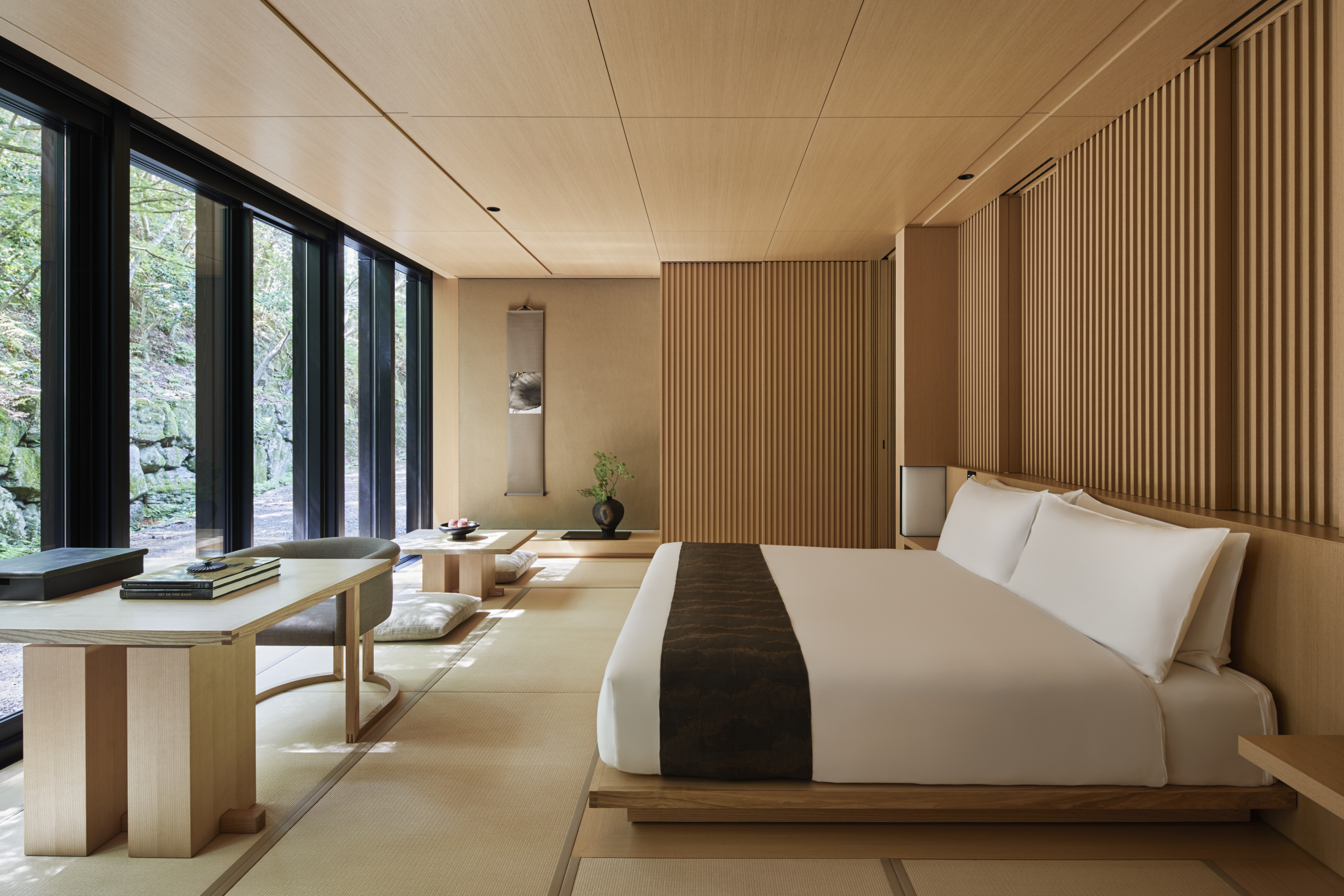
Take the influence of Japanese minimalism on global interior design. After visiting Kyoto, many travelers return with a heightened sensitivity to negative space, choosing fewer objects, lower furniture, and a more restrained color palette. The concept of ma (the space between) begins to inform not just interiors, but how they approach visual balance in fashion and creative work.
In contrast, time spent in India often leaves a completely different imprint. Designers frequently reference the layered maximalism of cities like Jaipur, where bold pigments, intricate patterns, and a fearless mixing of textures coexist harmoniously. British designer Kit Kemp, for instance, has long drawn inspiration from her travels across India, incorporating vibrant textiles and artisanal details into her globally recognized interiors.
Scandinavian living offers yet another perspective. Visitors to Copenhagen or Stockholm often adopt a newfound appreciation for light - sheer curtains, pale woods, and a deliberate avoidance of visual clutter. The Danish concept of hygge subtly transforms how people curate comfort, favoring warmth and intimacy over excess.
What emerges is not imitation, but synthesis. A home in Ho Chi Minh City might blend Japanese ceramics, Moroccan textiles, and Nordic lighting - yet feel entirely cohesive because it reflects lived experience rather than aesthetic trend.

Japanese minimalism frames space as experience, where light, proportion, and absence become the ultimate design elements
Photo Credit: Japan Intercultural Consulting

Kit Kemp’s interiors draw from global influences, featuring a layered composition of bold pattern and artisanal details
Photo Credit: Simon Brown

Soft light, muted tones, and tactile simplicity define Scandinavian living - an aesthetic shaped by the pursuit of quiet comfort
Photo Credit: Audo Copenhagen
Rituals That Redefine Living
Beyond objects and visuals, travel introduces rituals that quietly reshape everyday life.
In Italy, the act of dining becomes a lesson in tempo. Long lunches in regions like Tuscany or Puglia emphasize presence over efficiency - multiple courses, shared plates, and an unspoken agreement to linger. Many travelers return home not just with recipes, but with a redefined approach to hosting: slower, more intentional, more communal.
Japan offers a different kind of ritual through its bathing culture. A stay at a traditional ryokan often introduces travelers to the meditative rhythm of onsen bathing where the act itself becomes a form of design, rooted in tranquility and respect for space. This influence often manifests later in spa-like bathrooms, natural materials, and a preference for simplicity in personal environments.
In Morocco, the ritual of tea, particularly mint tea, reveals how hospitality can be elevated through small, deliberate gestures. The pouring, the glassware, the pace of conversation all contribute to an aesthetic of welcome that extends beyond décor.
These rituals reshape not just what we bring home, but how we live within it.

At a Japanese ryokan, tactile materials, softened light, and a connection to nature turn everyday bathing into an intentional design experience
Photo Credit: Amanemu
The Rise of the Conscious Collector
Today’s culturally attuned traveler is increasingly mindful of origin and impact. Collecting is no longer about accumulation, but about understanding.
Platforms and boutiques that connect travelers directly with artisans, whether in Peru’s Sacred Valley or Vietnam’s northern highlands, are redefining what it means to “shop” abroad. In Hanoi, for example, independent concept stores are spotlighting ethnic minority craftsmanship, offering hand-embroidered textiles and naturally dyed fabrics with full transparency of origin.
This shift reflects a broader movement toward slow travel and intentional living. Rather than returning with suitcases full of objects, travelers are choosing fewer, more meaningful pieces - items that carry both aesthetic and ethical value.
Interior stylist Colin King, known for his restrained yet soulful spaces, often speaks about the importance of sourcing with intention - favoring objects that feel discovered rather than designed for mass appeal. The result is an aesthetic that feels deeply personal, layered, and quietly sophisticated.

A handcrafted souvenir store in Hanoi connects visitors with Vietnam’s diverse cultural heritage
Photo Credit: Tripadvisor
Memory as the Ultimate Medium
Perhaps the most profound way travel shapes aesthetics is through memory itself, particularly the kind that cannot be physically collected.
There is the quality of light in the Greek islands, where shadows appear sharper and whites feel almost luminous. Many who have spent time in places like Paros or Santorini find themselves drawn to brighter, more reflective interiors afterward - whitewashed walls, linen textures, and an openness to natural light.
In contrast, the subdued tones of Northern Europe - foggy coastlines, dense forests, muted skies - often translate into a preference for deeper hues, tactile materials, and cocoon-like spaces.
Even scent becomes part of this invisible archive. The lingering aroma of cedarwood in a Japanese temple, or the blend of spices in an Istanbul market, can influence everything from candle choices to material preferences years later.
These impressions form an internal reference point, guiding aesthetic decisions in ways that feel instinctive rather than deliberate.

In Paros, sunlit whites meet crystalline blues - where architecture and landscape merge into a luminous palette that continues to shape the way we see and design space
Photo Credit: Greece Sotheby's International Realty
A Living, Evolving Aesthetic
Unlike trends, which are cyclical and external, a travel-shaped aesthetic is fluid and deeply personal. It evolves with each journey, each encounter, each moment of discovery.
What begins as a single object or influence gradually becomes a language that speaks through materials, color, proportion, and ritual. It resists uniformity, favoring instead a quiet complexity that reveals itself over time.
In a world saturated with curated imagery, the most compelling aesthetic is not one that follows, but one that remembers. And in that act of remembering, travel becomes more than inspiration, it becomes authorship.
A home, like a passport, tells a story. The difference is that one is stamped in ink, while the other is written in light, texture, and time.
Spot something wrong? Email editors@globalchicvoyage.com. We log every correction publicly.
RELATED
SEE ALL →
22 May 2026 / 5 min
26 Mar 2026 / 5 min
4 Mar 2026 / 5 min
21 May 2026 / 5 min