
TRENDS & INSPIRATIONTHE VOYAGE ESSAY
Booked For Bed: Why Rest-first Travel Is Taking Over
c
IM
6 Feb 2026 · 5 MIN READ · UPDATED 17 AUG 2026
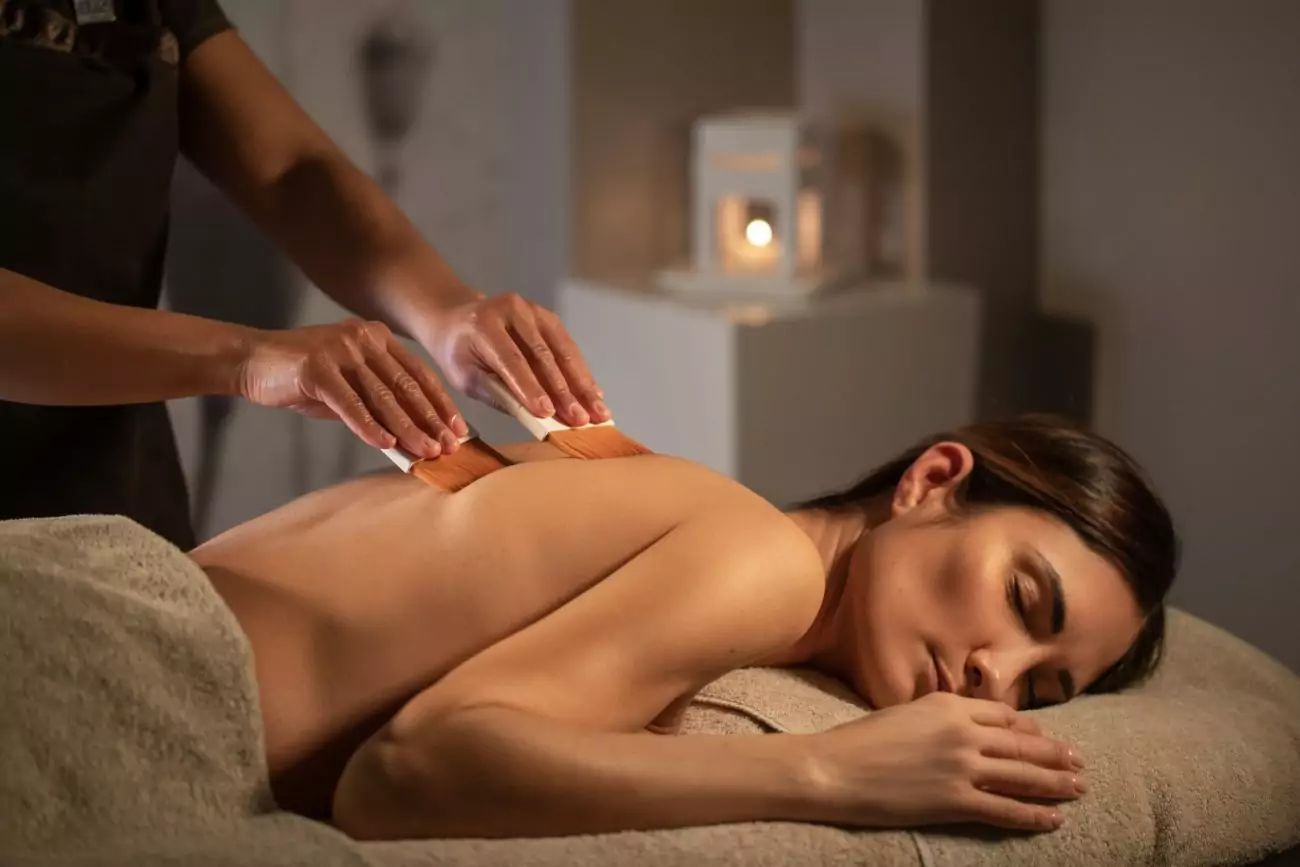
Once upon a time, travel was measured in steps taken, sights ticked off, and itineraries packed to the brim. Today, a quieter movement is reshaping how and why we go away. Welcome to rest-first travel, where the bed is no longer just where the day ends, but the reason the trip begins.
From FOMO to Full Rest
Burnout culture didn’t vanish when borders reopened. If anything, it followed us onto the plane. In response, travelers are trading high-energy schedules for slow mornings, early nights, and guilt-free afternoons spent doing absolutely nothing. The new luxury isn’t access, it’s rest.
This isn’t just intuition, the numbers back it up. In a 2024 survey by Booking.com, nearly two thirds of Asia-Pacific travelers said they wanted vacations focused entirely on uninterrupted sleep, with about 67% of Vietnamese respondents naming sleep as a travel priority in 2024.
The Rise of Sleep-led Hospitality
Sleep is no longer a background amenity; it’s a headline offering. Hotels and retreats are responding with specialized sleep programs, premium bedding, and even sleep coaching services. According to the Global Wellness Institute, 91% of frequent travelers are willing to pay up to 10% more for accommodations that enhance sleep quality, and a majority report poor sleep while away due to noise, lighting, or uncomfortable bedding.

Carillon Miami Wellness Resort offers sleep-focused spa treatments and AI-powered smart beds designed to enhance recovery
Photo Credit: Carillon Miami Wellness Resort
In California, some properties are pioneering this shift: travel writers have highlighted hotels where the bedding, blackout curtains, aromatherapy, and even high-tech mattresses are marketed as part of the destination itself - guests book a room to sleep as much as to stay.

At Santa Monica Proper Hotel’s Restorative Wellness Room, premium sleep features like a smart mattress, blackout curtains, and curated rest amenities turn the bed into the destination itself
Photo Credit: The Ingalls
Bedrooms as Destinations
In rest-first travel, the bedroom becomes the main attraction. Design follows suit: muted palettes, tactile natural materials, blackout drapery, and soft architectural lines replace visual drama. Everything is intentional, nothing shouts. At leading wellness retreats in Europe and the U.S., sleep programs include personalized routines, circadian lighting, and guided pre-sleep rituals - a far cry from ordinary hotel stays.
These rooms aren’t styled for social media, they’re designed for nervous systems. The goal isn’t to impress but to soothe.

Lanserhof’s sleep program blends medical diagnostics, biorhythm analysis, and personalized therapies to reset the body’s natural sleep - wake cycle and restore deep, lasting rest
Photo Credit: Lanserhof
Real Travelers, Real Choices
Rest-first travel shows up in how people actually plan and experience their breaks. Consider the growing popularity of “calmcations” - vacations designed around silence, disconnection from devices, and restorative experiences like forest bathing and silent retreats at luxury properties like InterContinental Maldives and Eremito Hotel in Italy.
Individual travelers also reflect this shift. In recent surveys from hospitality groups, a significant portion of guests, especially Millennials, report craving solo hotel stays and periods of deep relaxation just to recharge after daily pressures.

InterContinental Maldives Maamunagau Resort introduces Silent Immersion packages featuring hermit days and digital-detox rituals - where privacy, minimal interaction, and guided offline time redefine rest-first luxury
Photo Credit: IHG Hotels & Resorts
The Itinerary of Doing Less
The modern rest-seeker plans backwards. Instead of asking, “What can I see?” they ask, “How rested do I want to feel when I leave?”
Days unfold slowly. Breakfast stretches into late morning. Spa appointments replace museum marathons. Even when destinations are extraordinary, there’s no pressure to consume them. Presence becomes the experience.
Market reports project that primary sleep tourism - trips where sleep quality is the main motivator - is set to grow at nearly 13% annually through 2030, while secondary sleep-focused travel (rest as an add-on to standard trips) already dominates the market today.
A Cultural Reset, Not a Trend
Rest-first travel isn’t about indulgence, it’s about recalibration. As conversations around mental health, boundaries, and sustainable living grow louder, the desire to travel in ways that restore rather than deplete feels inevitable.
To be “booked for bed” is no longer a punchline. It’s a conscious choice, a declaration that rest is not wasted time - but the point.
And in a world that rarely slows down, that might be the most radical journey of all.
Spot something wrong? Email editors@globalchicvoyage.com. We log every correction publicly.
RELATED
SEE ALL →
11 Mar 2026 / 5 min

27 Apr 2026 / 5 min

25 Mar 2026 / 5 min

25 Feb 2026 / 5 min