Where Mickey Meets the Sea: A Private Island Escape in the Bahamas
Castaway Cay reimagines the cruise port as a place worth staying, blending white-sand solitude with the choreographed magic Disney has spent decades perfecting.
An Island Built for Lingering
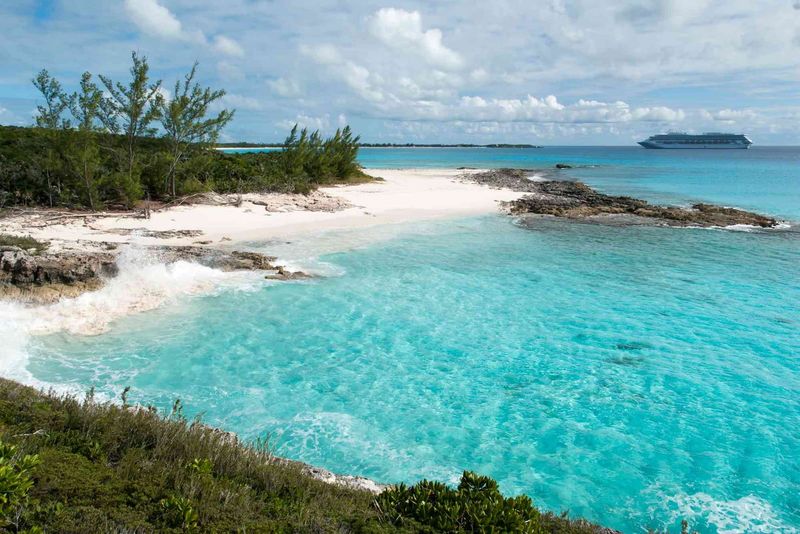
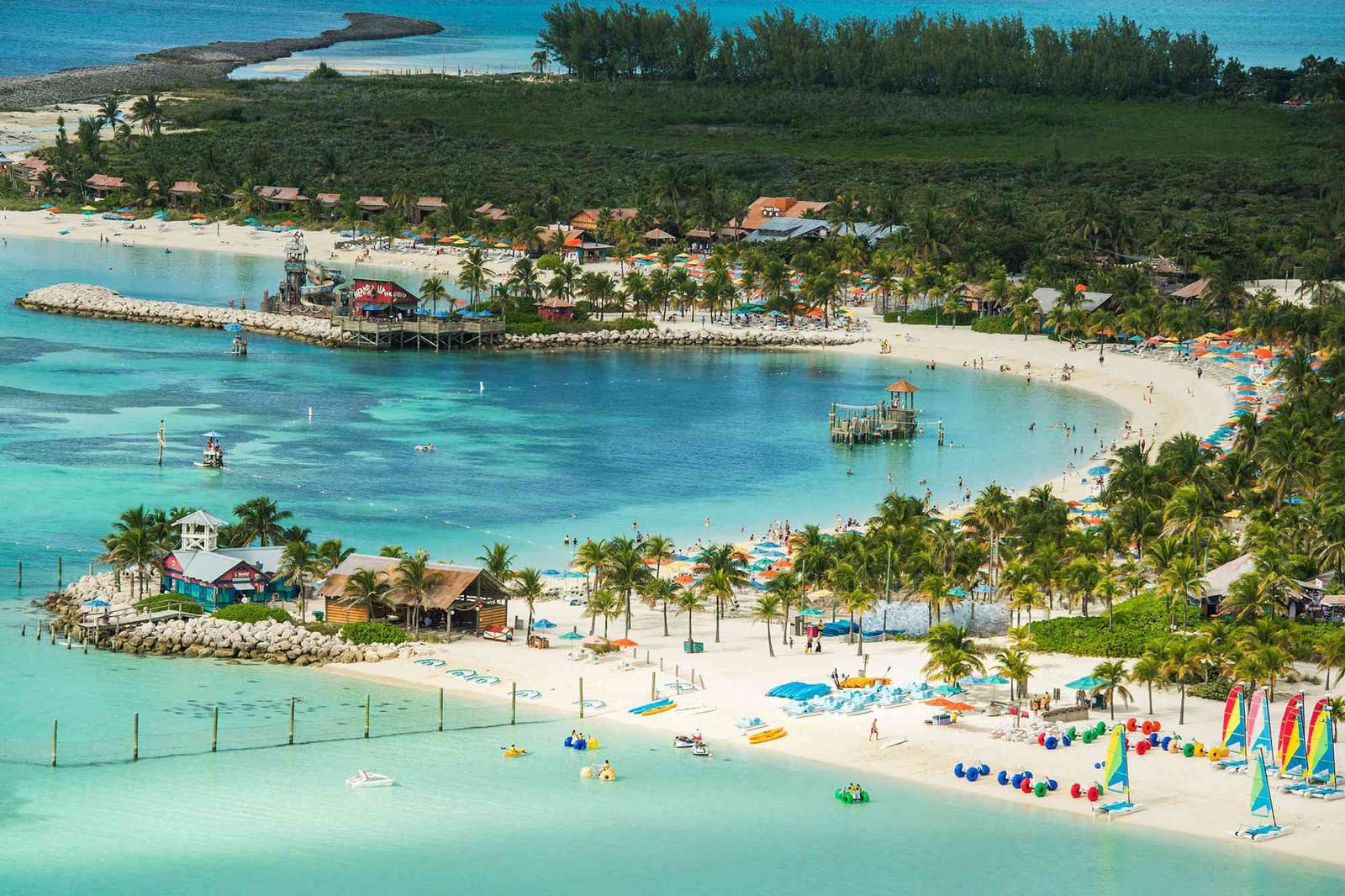
Most cruise ports are transactional: a few hours ashore, a shuttle to a market, a photo at a landmark, then back to the ship before the horn sounds. Castaway Cay operates under a different logic. Here, the island itself is the itinerary, a thousand-acre sliver of the Bahamas where Disney Cruise Line passengers step off the gangway onto sand so pale it looks like powdered sugar left too long in the sun.
The island was once known as Gorda Cay, a forgotten patch of scrub and mangrove until Disney acquired it in the mid-1990s. What emerged is part infrastructure marvel, part fantasy: a place that feels remote yet is threaded with the kind of logistics that make spontaneity feel effortless. Trams glide along paved paths. Barbecue grills hum at midday. Staff members, dressed in tropical prints, appear exactly when a question forms on your lips.
It is a study in controlled serendipity, the illusion of discovery without the friction of the unknown.
Three Beaches, Three Worlds
The island divides its shoreline into zones, each calibrated for a different kind of traveler. Family Beach sprawls along the western curve, a wide crescent where children build sandcastles under the watch of lifeguards and parents recline in complimentary loungers. The water here is shallow and calm, protected by a natural reef that keeps the Atlantic swell at bay.
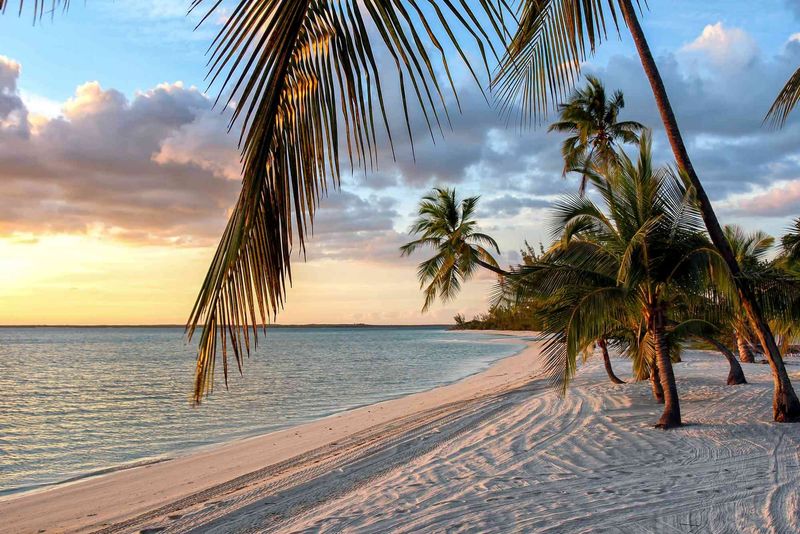
Serenity Bay occupies the northern tip, an adults-only enclave where the soundtrack shifts from laughter to the rustle of palm fronds. Hammocks hang between casuarina trees. The beach is narrower, the sand finer, the atmosphere closer to what you might find on a boutique Caribbean resort - if that resort happened to be attached to a cruise ship.
Then there is the teen beach, Hideout, a smaller stretch designed for the demographic least likely to admit they are enjoying a family vacation. It offers volleyball nets, music, and just enough separation to feel like rebellion without the risk.
Snorkeling Among Shipwrecks and Sculpture
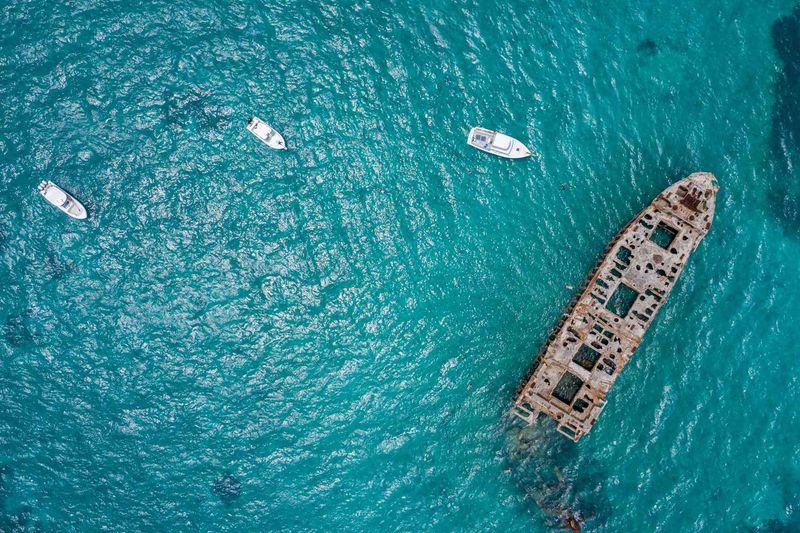
The snorkeling lagoon lies a short swim from Family Beach, a sheltered cove where Disney has sunk props and sculptures to create an underwater gallery. Rusted anchors rest on the sandy floor beside bronze statues of Mickey and Minnie, their forms softened by algae and time. Tropical fish dart through the wreckage: parrotfish, sergeant majors, the occasional Nassau grouper.
The reef itself is modest by Bahamian standards, but the choreography is effective. First-time snorkelers can wade in from the beach, while more confident swimmers can venture farther out, where the water deepens and the coral formations grow denser. The experience is less about biodiversity than accessibility, a way to introduce families to the mechanics of mask and fin without the intimidation of open water.
Equipment rentals are available, though many guests bring their own gear. Flotation vests are provided at no charge, a small detail that underscores the island's approach: remove barriers, smooth edges, let the experience unfold.
The Infrastructure of Ease
What sets Castaway Cay apart is not the beaches or the snorkeling - other islands offer those in abundance - but the architecture of convenience. The island runs on a parallel supply chain, with food and equipment shuttled from the ship each morning and returned each evening. Lunch is served at open-air pavilions: grilled chicken, ribs, corn on the cob, fruit salad. It is cruise ship food transplanted to a beach setting, which is to say it is abundant, reliable, and rarely remarkable.
Cabanas can be reserved in advance for guests seeking shade and privacy. These are not the thatched-roof huts of Polynesian fantasy but solid structures with ceiling fans, refrigerators stocked with drinks, and dedicated staff. They are expensive, often several hundred dollars for the day, and they book quickly.
For those who forgo the cabanas, the island offers plenty of public shade. Umbrellas dot the beaches. Pavilions provide respite from the midday sun. The layout suggests a theme park sensibility applied to a tropical setting: maximize throughput, minimize friction, ensure no one gets lost or uncomfortable.
Excursions Beyond the Sand
The island also offers structured activities for guests who prefer their recreation with a schedule. Bike rentals allow exploration of the island's interior, where paved trails wind through coastal scrub and past an old Bahamian chapel. Kayaks and paddleboards are available for those drawn to the mangrove channels that fringe the island's leeward side.
A stingray encounter, conducted in a shallow lagoon, lets guests wade among southern stingrays, their wings gliding over the sand as guides explain their biology. It is a tactile experience, designed to demystify a creature often misunderstood, and it draws a steady stream of families throughout the day.
Parasailing launches from the beach, offering aerial views of the island and the ship anchored offshore. The experience is brief - ten minutes in the air - but the perspective it provides is clarifying: from above, the island reveals itself as a carefully managed sliver of land, its beaches sculpted, its vegetation manicured, its infrastructure hidden but omnipresent.
The Service That Never Sleeps
Disney's reputation for service extends to Castaway Cay in ways both visible and invisible. Staff members circulate through the beaches, offering towels, water, assistance with umbrellas. Questions are answered before they are fully formed. Problems are solved before they escalate.
This is white-glove service adapted to a beach setting, a translation of the ethos that governs Disney's theme parks. The goal is not merely satisfaction but the erasure of effort, the sense that everything has been anticipated, arranged, perfected.
It is a level of attention that can feel either comforting or cloying, depending on your tolerance for choreography. For families with young children, it is often a relief. For travelers who prefer a rougher edge, who seek out the unpredictable and the unpolished, it may feel too curated, too controlled.
The Tension Between Paradise and Product
Castaway Cay exists in the space between aspiration and artifice. It is a private island, but it is not wild. It is beautiful, but its beauty is engineered. The beaches are pristine because they are groomed. The water is clear because the reef is protected. The experience is seamless because it is managed by a company that has spent nearly a century perfecting the art of controlled environments.
There is no pretense here that you are discovering something untouched. The island announces itself as a product, a curated experience designed to maximize pleasure and minimize discomfort. Whether that diminishes its appeal or enhances it depends on what you seek from travel.
For some, the absence of surprise is a feature. For others, it is a limitation.
A Port That Redefines the Category
In the taxonomy of cruise destinations, Castaway Cay occupies a unique position. It is not a historic city or a natural wonder. It is not a place you would visit independently, because you cannot. It exists solely as an extension of the Disney Cruise Line experience, a day-long interlude designed to differentiate the brand from its competitors.
And yet, within those constraints, it succeeds. It offers something rare in the cruise industry: a port where the ship is not the highlight. Where passengers linger not because they must but because they want to. Where the island itself becomes the memory, the postcard, the story told later.
It is a reminder that luxury, in the end, is often about the removal of friction. About arriving somewhere and finding that every detail has been considered, every need anticipated. Whether that constitutes paradise is a question each traveler must answer alone, but it is undeniably effective.
The island does not ask you to rough it or seek it out. It simply invites you to stay, to relax, to let the machinery of hospitality do its work. And for many, that is precisely the escape they came for.