Lost Lindenberg Bali: Living Lightly Between Jungle And Sea
Lost Lindenberg Resort
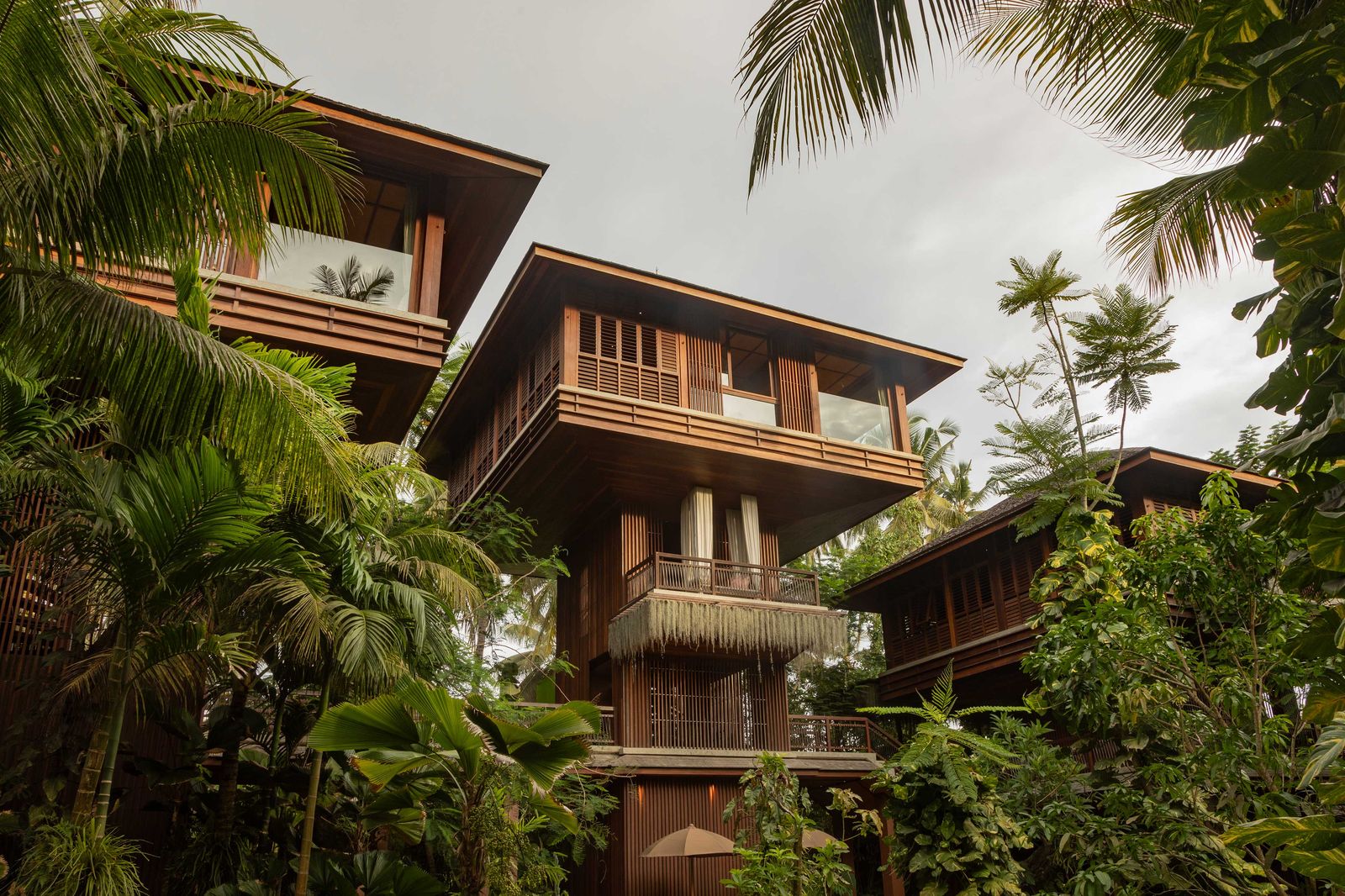
On Bali’s quieter west coast, where coconut palms lean toward black volcanic sand and the jungle hums with life, Lost Lindenberg reveals itself slowly. This is not a resort that announces its presence. Instead, it rises gently above the forest floor - a collection of elevated wooden dwellings designed for those who travel in search of calm, connection, and considered living.
Conceived by architect Alexis Dornier, Lost Lindenberg feels less like a hotel and more like a temporary village suspended among the trees. Here, hospitality unfolds through space, rhythm, and shared experience, inviting guests to step out of routine and into a slower, more intentional way of being.

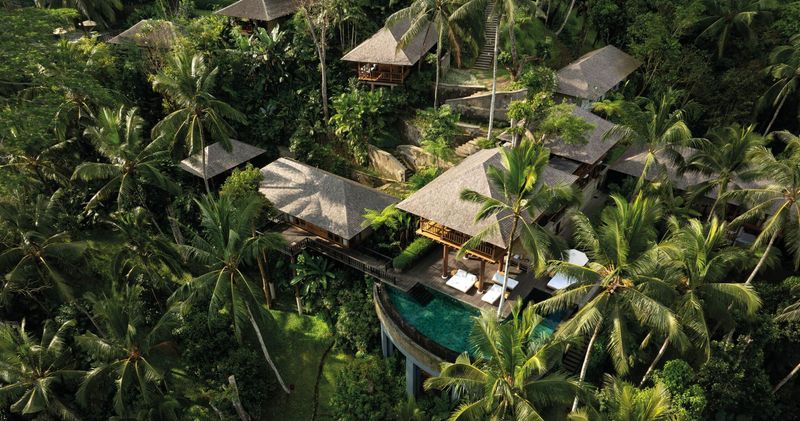
Aerial views reveal a village-like arrangement, carefully woven into the jungle canopy
A Treetop Settlement
The retreat is composed of a series of slender wooden towers, lifted on stilts and staggered through the landscape to preserve the natural contours of the site. Elevated walkways connect the suites, encouraging unhurried movement and a sense of discovery, as if drifting through a canopy rather than navigating a property.
Each tower opens to expansive views of jungle and ocean, allowing nature to frame daily rituals. Mornings begin with filtered light and birdsong; evenings settle into deep greens and the sound of waves in the distance. Architecture here does not compete with its surroundings, it recedes, allowing the setting to lead.

Elevated wooden towers settle lightly into the landscape, preserving the rhythm of the forest below

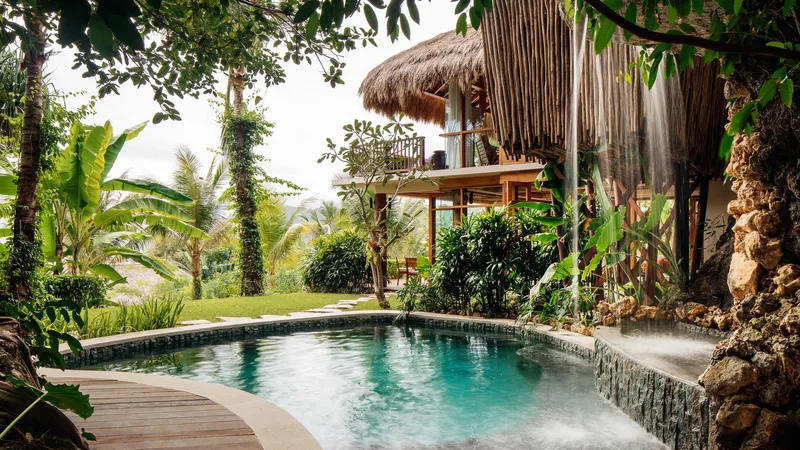
Open edges and natural materials allow the terrace to dissolve into its surroundings
Design for Presence
Inside the suites, design remains intentionally restrained. Natural materials - timber, stone, linen - create a tactile calm, while open layouts and generous windows dissolve the boundary between interior and exterior. Furnishings are minimal yet warm, encouraging guests to live lightly in the space rather than retreat behind layers of comfort.
Art and design elements are placed with care, offering moments of surprise without overwhelming the sense of retreat. The result is an environment that feels both grounded and quietly expressive - a space that invites reflection rather than distraction.
Timber, linen, and stone create a calm backdrop for rest high above the forest floor

Guest suites open to jungle views, dissolving the boundary between inside and out
Hospitality as Shared Living
At Lost Lindenberg, hospitality centers on togetherness. Communal spaces form the social heart of the retreat, where long tables, open kitchens, and shaded terraces invite conversation and shared meals. Dining becomes a collective ritual rather than a scheduled event, shaped by seasonal ingredients and the rhythm of the day.
Beyond the treetops, guests gather by the pool, unwind in open-air lounges, or follow winding paths down to the beach. Whether through yoga at sunrise, a surf session along the coast, or an evening spent in conversation under the stars, experiences are designed to feel natural, unforced, and deeply human.

Communal spaces encourage shared moments and unhurried gathering

Open-air spaces offer pause, shade, and connection to the surrounding landscape
Rooted in Landscape, Free from Hurry
Lost Lindenberg’s greatest luxury is its sense of removal. Set away from Bali’s busier enclaves, the retreat offers space to disconnect from the noise of modern life and reconnect with elemental pleasures - light, air, water, and time. The architecture supports this philosophy, creating a framework for rest rather than spectacle.
Here, retreat is not about isolation, but about rebalancing. Guests leave not with the feeling of having escaped the world, but with the quiet clarity that comes from living more attentively within it.
PHOTO CREDIT: Robert Rieger