
Where Old New York Still Lives: The Upper East Side's Enduring Hotels
Between marble lobbies and white-gloved elevator operators, a neighborhood that never stopped being elegant.
CG
17 Jul 2026 · 5 MIN READ · UPDATED 17 AUG 2026
A Neighborhood That Refuses to Fade
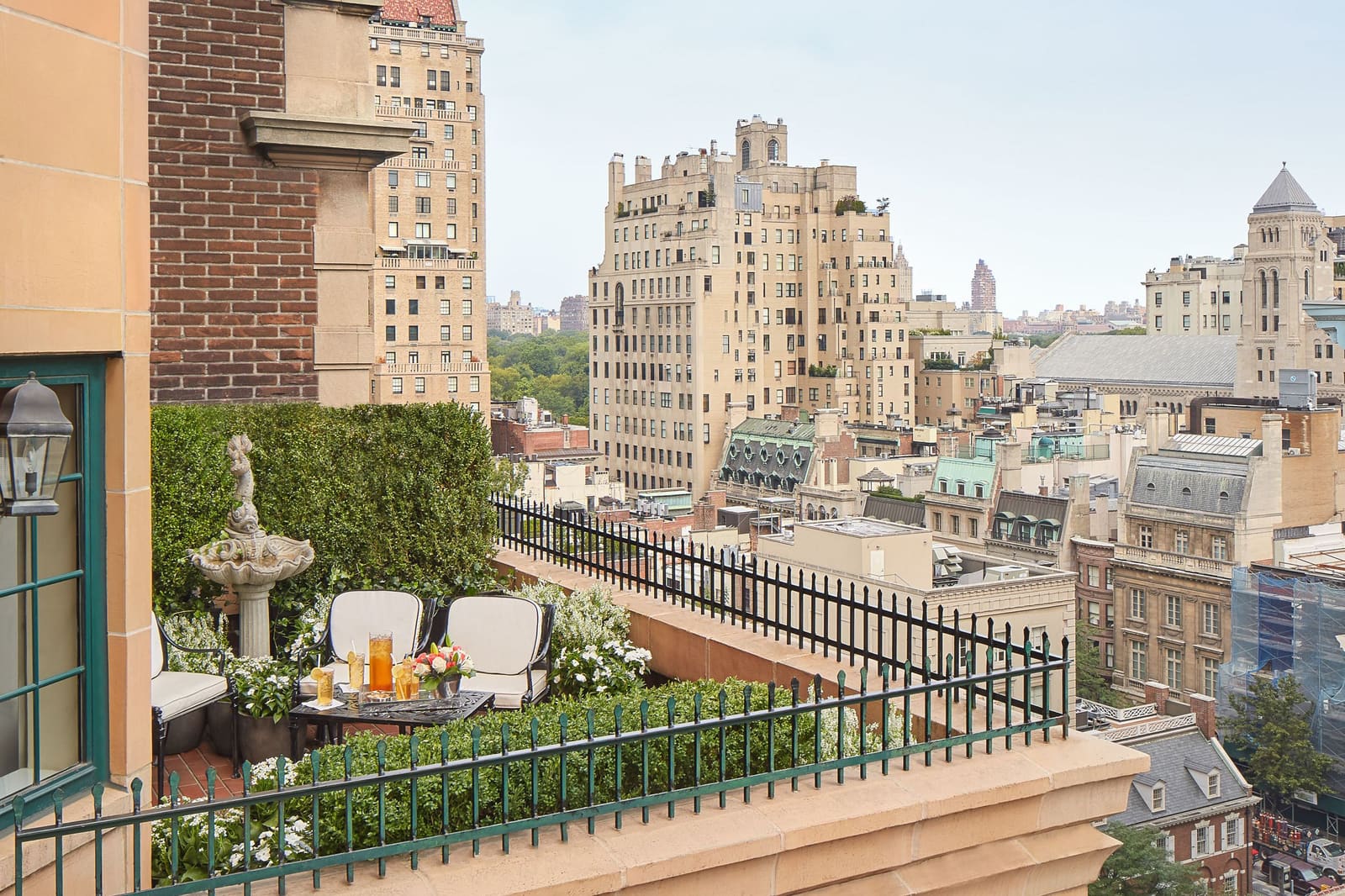
There is a particular quality of light that falls through the trees along East 77th Street in late afternoon, the kind that makes you walk more slowly, that makes you understand why certain New Yorkers have always chosen to live uptown. The Upper East Side has never chased trends. It does not need to. While other neighborhoods cycle through identities like fashion seasons, this stretch of Manhattan between Central Park and the East River has quietly maintained its composure, its elegance, its sense that some things should not change simply because time passes.
At Global Chic Voyage, we have returned to the Upper East Side's hotels year after year, not out of habit but out of recognition. These properties understand something fundamental about luxury hospitality: that true refinement lies not in constant reinvention but in knowing what to preserve. The marbled lobbies, the doormen who greet returning guests by name, the elevators operated by white-gloved attendants who have seen decades pass through their brass-doored cabins. These are not affectations. They are commitments.
The neighborhood itself has experienced a quiet renaissance in recent years. Fashion houses that once defined downtown sensibilities have opened uptown outposts. Historic restaurants have reopened their doors. The Frick Collection has emerged from renovation with renewed purpose. Yet this regeneration feels less like transformation and more like continuation, a reminder that the Upper East Side never truly went anywhere. It simply waited for the rest of the city to remember what it offers.
The Pierre: Where Corsican Ambition Met Gilded Age Grandeur
On the site of what was once a Gilded Age mansion, a Corsican chef named Charles Pierre built his dream in 1930. He had made his name in New York restaurants, and with backing from Wall Street financiers including Walter Chrysler, he created a hotel that would bear his first name and outlast his lifetime. Coco Chanel stayed during its opening year, establishing a pattern of celebrated guests that continues nearly a century later.
The Pierre occupies that rare category of New York hotels that earn genuine approval from native New Yorkers, a far more difficult achievement than impressing tourists. Its rooms, beginning at a practical 300 square feet, are decorated in soft blues, greens, and creams that evoke neither the past nor the present but rather a timeless idea of comfort. The bathrooms feature heated floors, generous proportions, and products from Etro, with some offering both shower and soaking tub.
What distinguishes The Pierre most acutely is the quality of attention you receive from the moment you pass through its revolving doors. The staff convey not mere professionalism but genuine anticipation, as though your arrival has been the event they have been waiting for all day. This is not performance. It is culture, built over decades.
The Carlyle: A Living Legend on Madison Avenue
Since opening in 1930, The Carlyle has transcended the category of hotel to become something closer to myth. An entire documentary film has been devoted to the property, featuring testimonials from George Clooney, Sofia Coppola, Wes Anderson, and Naomi Campbell, among others. Yet the film, like the hotel itself, understands that the true stars are not the famous guests but the institution that has hosted them.
The Carlyle embodies a particular spirit of New York, one that is witty, worldly, sparkling, and unapologetically nostalgic. The Dorothy Draper lobby remains astounding. Bemelmans Bar continues to draw those who understand that certain martinis should be consumed in certain rooms. The elevators, operated by white-gloved attendants of legendary composure, are as much a part of the experience as the rooms themselves. There is a story, confirmed by those who were present, of Princess Diana, Michael Jackson, and Steve Jobs all entering the same elevator. The operator, unflappable and icy-calm, proceeded as though this were simply another Tuesday afternoon.
Rooms improve with elevation, which means more time spent in those legendary elevators. This is not a drawback. The accommodations themselves reflect the building's commitment to a certain idea of luxury, one that favors elegance over spectacle, comfort over flash.
The Mark: Where Luxury Wraps Itself in Play
On a quiet block of East 77th Street, between Madison Avenue and Central Park, The Mark hotel occupies a 1927 landmark building with an entirely contemporary sensibility. The lobby announces its personality immediately: black-and-white striped marble floors, vividly hued artwork, enormous bouquets of pink lilies. It is sleek and sophisticated yet playful, luxury that does not take itself too seriously.
The Mark Bar, just off the lobby, features retro-futuristic design and cowhide-patterned furniture that manages to feel both whimsical and refined. The cocktails are thoughtfully constructed, as beautiful as they are delicious. For those seeking even greater indulgence, Caviar Kaspia delivers show-stopping plates in an atmosphere of pure extravagance. The Mark Restaurant by Jean-Georges offers another dimension of culinary excellence, overseen by one of New York's most celebrated chefs.
What makes The Mark particularly compelling is its ability to honor its historic building while embracing a thoroughly modern aesthetic. This is not a property that feels trapped in the past or desperately chasing the future. It exists in a confident present, offering both heritage and innovation without contradiction.
The Surrey: Art Deco Elegance Reimagined
Originally constructed in 1926, The Surrey began its life as a residential hotel frequented by celebrities including John F. Kennedy and Bette Davis. After a complete renovation completed in 2024, it now operates under Corinthia management while retaining the homey ambience that made it legendary.
Interior designer Martin Brudnizki, known for maximalist color in properties like The Beekman and the Fifth Avenue Hotel, took a different approach here. The Surrey favors subtle geometric details and muted pastels, with Brudnizki's signature patterns and textures applied with restraint. The result feels expensively zen and quietly sophisticated, perfectly aligned with Upper East Side sensibilities.
Guests are greeted by stylish doormen and welcomed into what resembles the lobby of an elegant Manhattan townhouse, complete with a Museum Mile-worthy art collection. These careful nods to The Surrey's storied past create continuity between eras, a sense that the building's history remains present even as it moves forward.
The Lowell: Where Analog Virtues Endure
In an era obsessed with speed and novelty, The Lowell has held court on a leafy Upper East Side block since the 1920s, a bastion of class and elegance that sees no reason to apologize for its pace. The hotel's 74 rooms and suites have been reimagined by Michael S. Smith, the designer behind White House updates during the Obama administration, yet the property retains dozens of lovely throwback touches.
There are real room keys, not electronic cards. Actual light switches to flick, not touch panels. Two elevators service the entire property, which sometimes means waiting a few minutes. But this is not a flaw. While you wait, you can admire the gorgeous fresh bouquets placed throughout the hotel, stop and smell the flowers in a literal sense that has become rare in contemporary hospitality.
The Club Room, a sophisticated space off the lobby adjacent to the hotel's French restaurant Majorelle, features oak parquet floors, a fireplace, and a small bar. It remains exclusively for hotel guests and their companions until 5 p.m., when the public may join. This is the kind of detail that defines The Lowell: a commitment to privileges that cannot be purchased without first becoming part of the community, even temporarily.
Loews Regency: Modern Comfort on Park Avenue
When you imagine visiting Manhattan, there is a strong possibility you picture yourself strolling down Park Avenue. The Loews Regency occupies a prime corner at Park and 61st Street, offering not just proximity to Central Park, designer shops, and major subway lines, but also contemporary amenities that cater to the needs of modern travelers.
The hotel features its own Sant Ambroeus Coffee Bar, serving Milanese-style coffee, pastries, and sandwiches. The Julien Farel Restore Salon & Spa provides a two-story urban oasis for those seeking respite. Families and pets receive their own specialized amenities, and tennis enthusiasts will appreciate the hotel's events during the US Open.
The Loews Regency represents a different approach to Upper East Side hospitality, one that prioritizes location and modern comfort over historic pedigree. For many travelers, particularly those visiting New York for the first time, this combination proves ideal.
Sherry-Netherland: Million-Dollar Views, Personal Touches
Built in 1927, this former apartment hotel sits directly across from Central Park, offering accommodations with views that would cost millions to own. What distinguishes the property is the intensely personal quality of service. Guests arrive to find fresh flowers, handwritten notes from the general manager, Louis Sherry chocolates, and carefully considered amenities.
Rooms are individually decorated in soothing beige tones, each with marble bathrooms. The property houses Harry Cipriani, serving classic Venetian cuisine and signature Bellinis, operated by the same family that owns Harry's Bar in Venice. Gentlemen can receive an old-school shave at the in-house Emile Salon, while Zahirr Ziani Salon offers fresh styling for women.
The elevator operator, a figure who has become emblematic of the property's approach to service, maintains a cheerful demeanor regardless of weather or circumstance. This consistency of spirit, this refusal to let external conditions affect internal grace, captures something essential about the Sherry-Netherland and the Upper East Side hotels generally.
Why These Hotels Matter Now
We live in an age of perpetual reinvention, when neighborhoods and hotels and entire cities seem compelled to constantly announce their relevance through transformation. The Upper East Side's great hotels offer a different proposition. They suggest that relevance can also be maintained through continuity, through knowing what should be preserved even as other things change.
These properties have updated their systems, refreshed their interiors, modernized their amenities. But they have not abandoned the elements that made them significant in the first place: the quality of service that comes from institutional memory, the sense of occasion that accompanies a white-gloved elevator operator, the pleasure of walking into a lobby that looks like a lobby rather than a tech startup's idea of hospitality.
When you stay at The Pierre or The Carlyle or The Lowell, you are not simply booking accommodation. You are participating in a tradition of urban hospitality that stretches back nearly a century, one that has survived the Depression and world wars and countless cycles of what New York considers fashionable. These hotels have endured not by refusing to change but by understanding what should remain constant.
The Upper East Side itself embodies this philosophy. While other neighborhoods chase each new wave of development and demographic shift, this stretch of Manhattan maintains its character. The museums along Fifth Avenue, the shops lining Madison, the expanse of Central Park, the residential streets with their limestone facades. These elements have defined the neighborhood for generations, and they continue to define it now.
The View from Here
On a recent visit to one of these hotels, we stood at a window overlooking Central Park as afternoon light filtered through the trees. Below, people walked dogs, pushed strollers, jogged along paths that have existed for more than a century. The scene could have been from nearly any decade since these hotels first opened their doors.
This is not stagnation. It is continuity. It is the understanding that some places, some experiences, some approaches to hospitality achieve a kind of perfection that does not require constant revision. The Upper East Side's grand hotels offer sanctuary in a city that can feel overwhelming in its relentless transformation. They remind us that elegance is not a trend but a practice, one that rewards patience and attention and respect for what has come before.
When you walk through the revolving doors of The Pierre, when you step into The Carlyle's legendary elevator, when you settle into a room at The Lowell with its real key and actual light switches, you are not escaping the present. You are experiencing a version of New York that has always existed alongside the city's constant change, a New York that values grace and service and the small rituals that make a stay memorable.
These hotels do not need to announce their relevance. They simply open their doors each morning, welcome guests with the same attention they have offered for decades, and continue doing what they have always done well. In a city that never stops moving, that may be the greatest luxury of all.
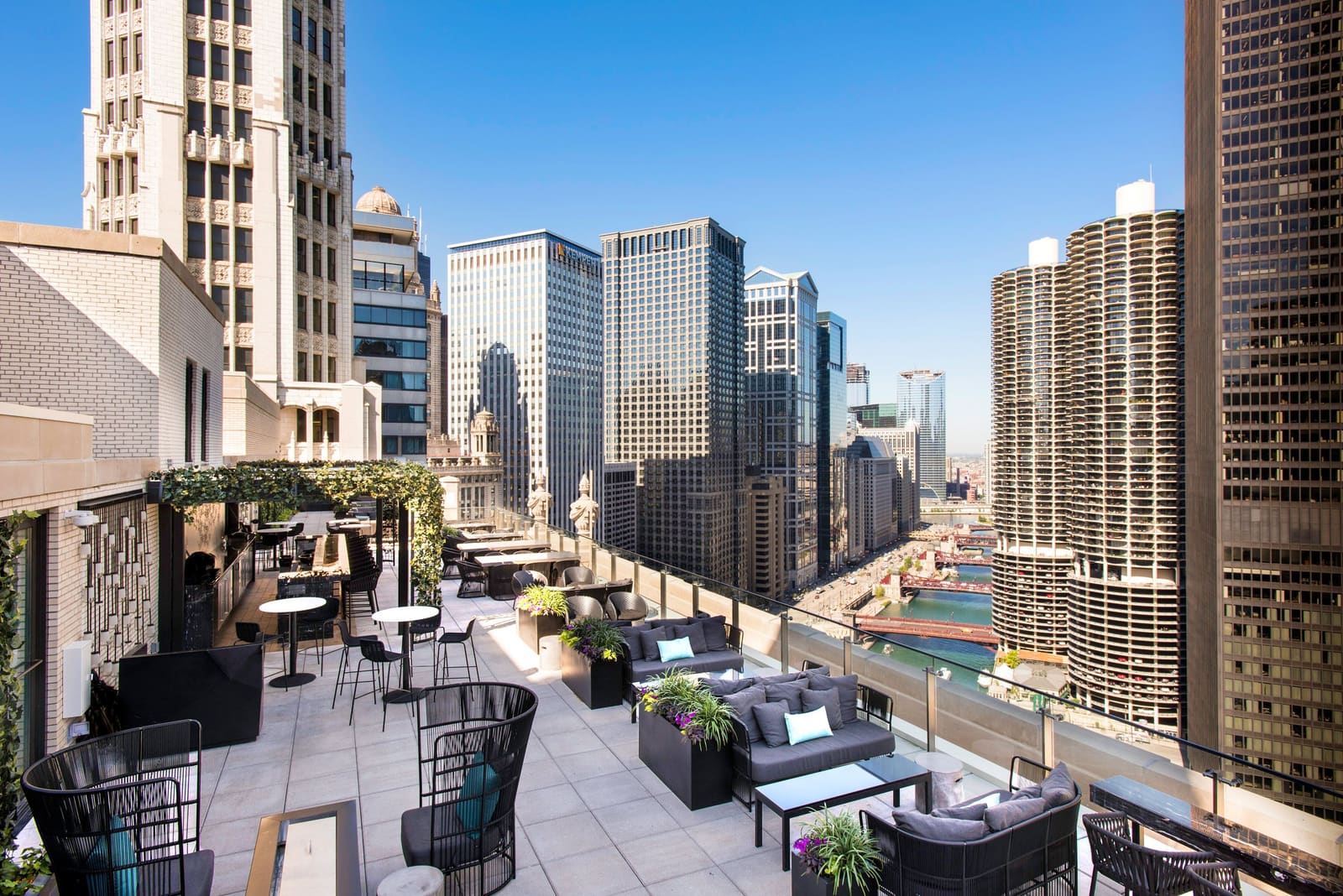
Photo: The Pierre, A Taj Hotel
Spot something wrong? Email editors@globalchicvoyage.com. We log every correction publicly.
RELATED
SEE ALL →
22 Jul 2026 / 5 min
15 Jul 2026 / 5 min
9 Jul 2026 / 5 min
18 Jun 2026 / 5 min