
The Oyster 515 Brings Beach Club Glamour to Bluewater Sailing
A new 52-footer from Britain's storied yard reimagines the relationship between yacht and water, marrying ocean-going capability with superyacht-inspired leisure.
CG
9 Jul 2026 · 5 MIN READ · UPDATED 17 AUG 2026
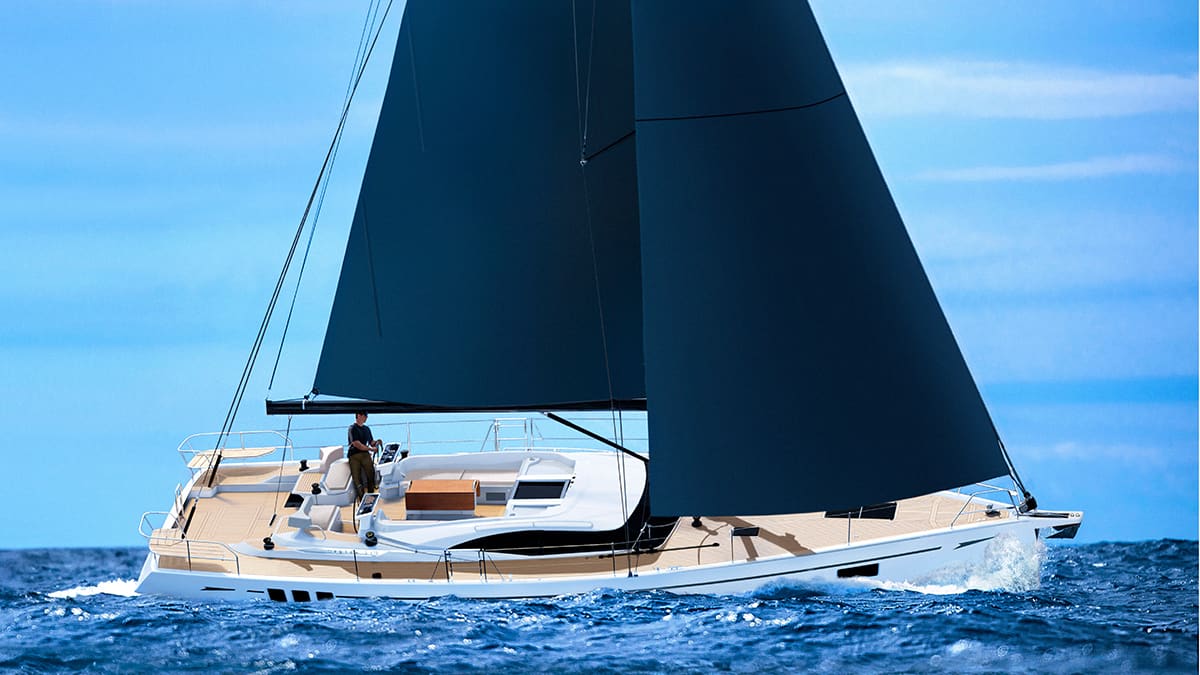
A New Threshold for Ocean Voyaging
There is a particular quality of light that belongs only to mornings at sea: the way it catches the curve of a hull, the way it makes water look both infinite and intimate. It is in that light that the newest vessel from Oyster Yachts seems most at home, a 52-foot sailing yacht that bridges the gap between passage-making tradition and the kind of waterside leisure once reserved for vessels twice its length.
The Oyster 515 arrives as the eighth model in the British yard's current portfolio, a range that spans from 50 to 90 feet and has long been synonymous with serious bluewater cruising. This latest design, developed by Oyster's internal studio alongside Humphreys Yacht Design, represents an evolution of the 495 that preceded it, but the changes run deeper than a simple refresh. What Oyster has delivered is a vessel that rethinks how sailors interact with the ocean itself, particularly when the anchor is down and the sails are furled.
At Global Chic Voyage, we've watched the sailing world grapple with a tension that has defined yacht design for the past decade: how to honor the performance and self-sufficiency that bluewater cruising demands while acknowledging that modern owners want a closer, more sensory connection to the water. The 515 offers one compelling answer, and it begins at the stern.
The Beach Club Reimagined
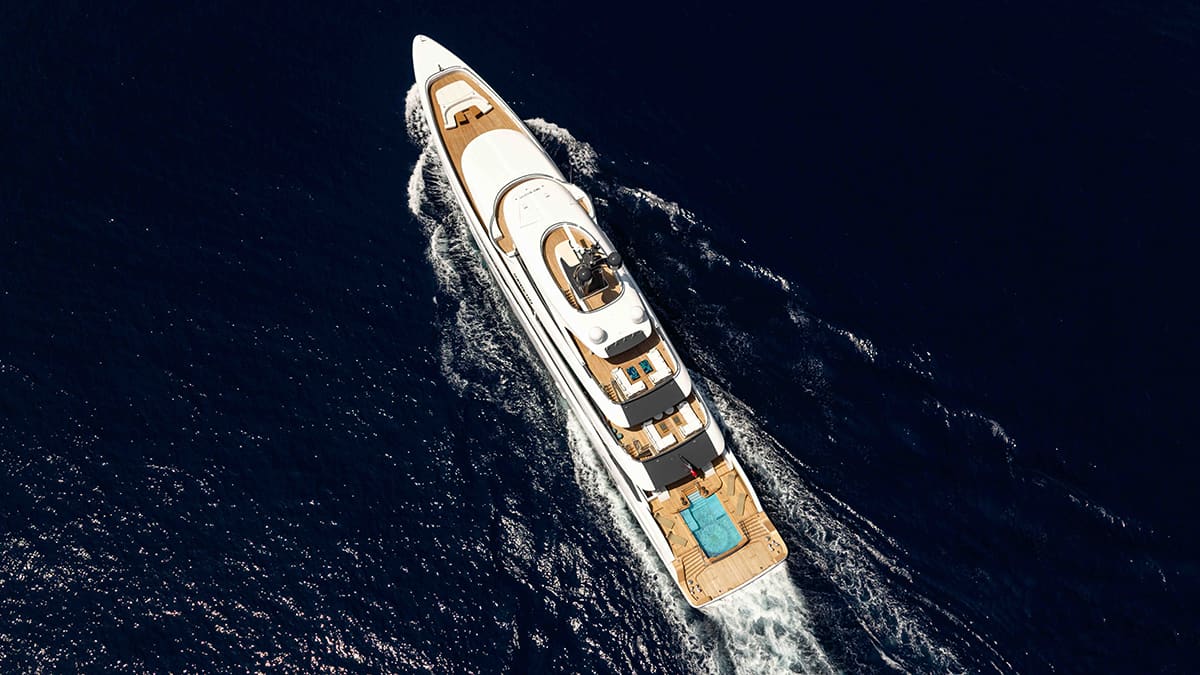
Step aboard and move aft, and you encounter what Oyster describes as a superyacht-style beach club, an amenity rarely seen on vessels of this size. The aft deck has been entirely reconceived, creating a tiered relationship with the sea that feels both luxurious and functional. A sunken lounge occupies the heart of the space, upholstered and sheltered, with a fold-out swim platform that extends the living area directly to the waterline.
This is not mere embellishment. The design speaks to a shift in how cruising sailors use their boats, particularly in the Mediterranean, Caribbean, and Pacific anchorages where Oyster yachts traditionally roam. The beach club creates a threshold space, neither fully aboard nor fully in the water, where the rituals of the day unfold: morning swims, sundowner gatherings, the unhurried business of launching paddleboards or dinghies.
Forward of the beach club, the cockpit maintains a more traditional sailing-yacht layout, with an alfresco dining zone and upholstered seating that can accommodate a full crew or family group. The helm features newly integrated wing seats, a detail that improves both visibility and comfort during longer passages. Below, the lazarette offers substantial stowage for water toys and equipment, with an optional integrated tender garage for owners who require additional capacity.
According to Oyster CEO Stefan Zimmermann, the 515 synthesizes more than five decades of the yard's experience in designing and supporting bluewater vessels. The goal, he notes, was to evolve the model around contemporary sailing lifestyles, merging ocean-going capability with what he calls "a state-of-the-art beach club experience unlike anything else currently available in this class."
Interior Volumes and Light
Below deck, the 515 offers a three-cabin layout that Oyster claims delivers the space and privacy typically associated with larger yachts. The arrangement places a full-beam owner's suite aft, a generous salon amidships, and two guest cabins forward, one configured as a double and the other as a single. The design prioritizes natural light, with Oyster's signature seascape windows wrapping the hull to create an airy, open atmosphere even in the heart of a long passage.
The interiors avoid the heavy wood finishes that once dominated bluewater yacht design, opting instead for lighter tones and contemporary materials that reflect the yard's evolving aesthetic. The salon functions as both social hub and navigation center, with sightlines that extend through the deck saloon windows to the horizon beyond. It is a space designed for the rhythms of long-distance cruising: mornings spent planning the next leg, afternoons reading in the settee, evenings gathered around the table as the boat swings gently on anchor.
The layout also reflects a practical understanding of how modern cruisers live aboard. The owner's suite offers genuine privacy, separated from guest quarters by the full length of the salon. The galley is positioned to serve both interior and exterior dining areas. Storage is abundant, a necessity on any vessel intended for extended voyaging. These are the details that matter when a yacht becomes not just a conveyance but a home.
Naval Architecture and Handling
Performance has not been sacrificed in pursuit of comfort. The 515 features a revised sail plan with increased sail area compared to its predecessor, along with twin rudders and powered sail-handling systems that together ensure responsive performance under a range of conditions. The twin rudder configuration improves tracking and control, particularly when sailing downwind or in heavy weather, while the powered winches and furling systems allow the yacht to be operated by a couple or small family without requiring a professional crew.
For owners drawn to more remote or shallow cruising grounds, Oyster offers a shoal draft keel option. This flexibility is central to the 515's design philosophy: a vessel capable of crossing oceans but equally at home exploring the less-charted corners of an archipelago, where depth becomes a limiting factor for deeper-draft designs.
The hull form itself draws on lessons learned from the 495 and other recent Oyster models, with a balanced underbody that favors both speed and stability. The yacht is intended to perform well in the kind of varied conditions that define bluewater cruising, from light air in tropical latitudes to the stronger winds and heavier seas of higher-latitude passages.
Context and Momentum
The introduction of the 515 arrives during a period of notable activity for the yard. Earlier this year, Oyster sold two of its 885 flagship models within a single week, a signal of sustained demand for its larger bluewater designs. The yard has also indicated that additional models are in development, with the 515 serving as the opening chapter in what Zimmermann describes as "an exciting programme of product and innovation launches that will unfold over the coming months."
This momentum reflects broader trends within the sailing world, where buyers increasingly seek vessels that balance serious offshore capability with the kind of onboard amenities once exclusive to motor yachts. The lines between categories are blurring: performance cruisers are becoming more comfortable, while luxury-oriented designs are becoming more seaworthy. The 515 positions itself squarely within this convergence, offering a yacht that can handle a transatlantic crossing but also serve as a floating villa in a secluded bay.
At Global Chic Voyage, we see this evolution as both inevitable and welcome. The romance of sailing has always resided in its dual nature, the way a well-found yacht can be both vehicle and destination, both challenge and sanctuary. The best designs honor that duality, and the 515 appears to do so with a maturity that comes from decades of building boats for people who actually use them far from shore.
The Entry Point Elevated
What the Oyster 515 represents, ultimately, is an elevation of the entry-level bluewater yacht. At 52 feet, it sits at the threshold of what is practical for a couple or family to manage independently, yet it offers a level of finish, space, and thoughtful design that would have been unimaginable in this size range a generation ago. The beach club, in particular, signals a recognition that modern cruising is as much about place-making as passage-making, about creating moments of connection with the water and with each other.
The yacht will appeal to a specific kind of buyer: someone for whom sailing is not a weekend hobby but a lifestyle, who values self-sufficiency and seaworthiness but also understands that a boat should enhance, not diminish, the quality of life aboard. It is a vessel for those who measure success not in miles logged but in mornings like the one described at the start of this piece, when the light is just right and the water is close enough to touch.
Photo: Oyster Yachts
Spot something wrong? Email editors@globalchicvoyage.com. We log every correction publicly.
RELATED
SEE ALL →
31 Jul 2026 / 5 min
29 Jul 2026 / 5 min
25 Jul 2026 / 5 min
23 Jul 2026 / 5 min