
From Market To Michelin: The Journey Of Local Ingredients
c
CG
2 Apr 2026 · 5 MIN READ · UPDATED 17 AUG 2026
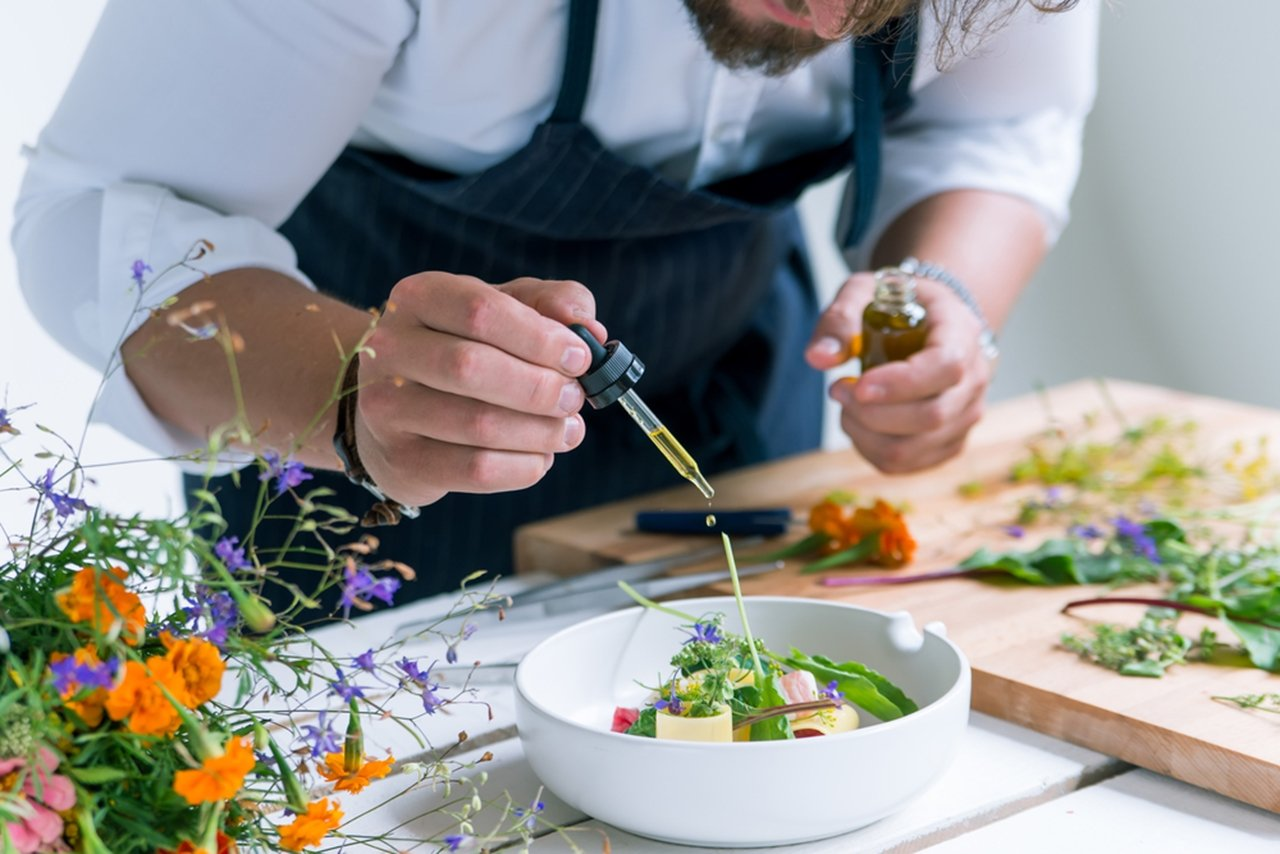
In today’s most compelling culinary narratives, luxury is no longer defined solely by rarity or opulence, it is rooted in authenticity. Across continents, chefs are turning their attention back to the source, rediscovering the richness of local markets, indigenous produce, and time-honored traditions. The journey from market stall to Michelin-starred plate is not just a supply chain, it is a philosophy that is redefining fine dining on a global scale.
The Rise of Ingredient-led Dining
At the heart of this movement is a renewed reverence for ingredients. Rather than imposing technique onto food, chefs are allowing the inherent character of each element to guide the dish. This philosophy is championed by pioneers like René Redzepi at Noma, where hyper-seasonality and foraging have reshaped modern gastronomy. Each menu is built around what is available in the surrounding Nordic landscape at a specific moment in time.
The influence of the Michelin Guide has also evolved alongside this shift. Today, recognition extends beyond technical mastery to include sustainability and sourcing. Restaurants like Azurmendi, led by Eneko Atxa, exemplify this ethos, with on-site gardens, renewable energy systems, and menus deeply rooted in Basque produce.
Markets as Culinary Laboratories
For many chefs, the day begins not in the kitchen, but at the market. These spaces function as living laboratories where ideas are sparked through direct interaction with ingredients and producers.
In Tokyo, Yoshihiro Narisawa of Narisawa sources pristine seafood and seasonal mountain vegetables, transforming them into dishes that reflect Japan’s micro-seasons. His signature approach, “innovative satoyama cuisine”, draws from the harmony between cultivated land and wild nature.

Each dish at Narisawa expresses Japan’s satoyama philosophy through fleeting seasonal ingredients and precise craftsmanship
Photo Credit: Narisawa
Meanwhile, in Bangkok, Bo Songvisava and Dylan Jones of Bo.lan have long championed Thai biodiversity. By sourcing from local farmers and traditional markets, they elevate heritage recipes into refined tasting menus while preserving authenticity.

Chef Bo Songvisava transforms market-sourced Thai ingredients into refined expressions of heritage
Photo Credit: Prestige
From Humble Origins to Haute Cuisine
What was once considered humble is now celebrated at the highest levels of gastronomy. This transformation is particularly evident in Latin America.
In Lima, Virgilio Martínez of Central has built an entire culinary philosophy around Peru’s diverse ecosystems. Ingredients sourced from different altitudes, ranging from sea level to the Andes, are presented as an edible map of the country. Tubers, native corn varieties, and Amazonian fruits are treated with the same reverence once reserved for imported luxuries.

An edible exploration of altitude - ingredients sourced across Peru’s ecosystems are presented as a sensory map of the country’s biodiversity
Photo Credit: Ken Motohasi
Similarly, Massimo Bottura at Osteria Francescana reinterprets traditional Italian ingredients - Parmigiano Reggiano, balsamic vinegar, imperfect bread - into conceptual dishes that challenge perceptions of value and waste, proving that local and humble can be profoundly sophisticated.

Tradition reframed - iconic Italian ingredients are transformed into poetic, contemporary expressions of memory and place
Photo Credit: Osteria Francescana
The Producer - Chef Partnership
Behind every exceptional plate is a network of producers whose work is increasingly visible in the dining experience. The relationship between chef and supplier has evolved into a creative partnership.
In Melbourne, Ben Shewry of Attica collaborates closely with indigenous communities and local growers to source native Australian ingredients such as bunya nuts and finger lime. These collaborations are not only culinary but cultural, bringing deeper narratives to the table.

Chef Ben Shewry crafts a deeply personal cuisine shaped by native Australian ingredients, where landscape, memory, and community converge on the plate
Photo Credit: Colin Page
In Tuscany, Annie Féolde of Enoteca Pinchiorri works with regional farmers, olive oil producers, and vintners to ensure that every element, from oil to wine, reflects the terroir of the region.

Chef Annie Féolde composes a quiet ode to Tuscany at Enoteca Pinchiorri, where each ingredient reflects the depth and elegance of its origin
Photo Credit: The American Academy of Hospitality Sciences
A New Definition of Luxury
As global diners become more conscious, luxury is being redefined. It is no longer about flown-in caviar or rare truffles, but about immediacy and connection - ingredients harvested at their peak and prepared with intention.
Restaurants like Blue Hill at Stone Barns, led by Dan Barber, embody this philosophy. Situated within a working farm, the restaurant integrates agriculture directly into its culinary process, blurring the line between field and kitchen.

From soil to table - set within a working farm, the dining experience unfolds as a direct reflection of the land’s rhythm and yield
Photo Credit: Elena Wolf
This approach resonates deeply with a new generation of travelers who seek meaning as much as indulgence. Dining becomes an immersive experience that tells the story of a place through its ingredients.
Looking Ahead
The future of fine dining lies in this balance between innovation and origin. As chefs continue to explore local landscapes and revive forgotten ingredients, the culinary world becomes richer and more diverse.
From the vibrant immediacy of morning markets to the quiet precision of Michelin-starred kitchens, the journey of local ingredients is one of transformation - not just of food, but of values. In that journey, we discover a new kind of luxury: one that is rooted in place, shaped by people, and elevated by purpose.
Spot something wrong? Email editors@globalchicvoyage.com. We log every correction publicly.
RELATED
SEE ALL →
30 Mar 2026 / 5 min
22 May 2026 / 5 min
21 May 2026 / 5 min
13 May 2026 / 5 min